Are Anchovies Safe for Dogs?
According to the AKC, anchovies are not toxic to dogs, and plain anchovies are sometimes discussed as a source of protein and omega-3 fatty acids. However, the AKC emphasises that preparation matters greatly.
Source: https://www.akc.org/expert-advice/nutrition/can-dogs-eat-anchovies/
PetMD similarly notes that anchovies themselves are not poisonous, but many commercially available anchovies are preserved in salt, oil, or sauces that are unsuitable for dogs.
Source: https://www.petmd.com/dog/nutrition/can-dogs-eat-anchovies
Across veterinary nutrition sources, anchovies are generally classified with caution, mainly because of how they are commonly processed rather than because of inherent toxicity.
Why Anchovies Can Be a Problem for Some Dogs
Main considerations
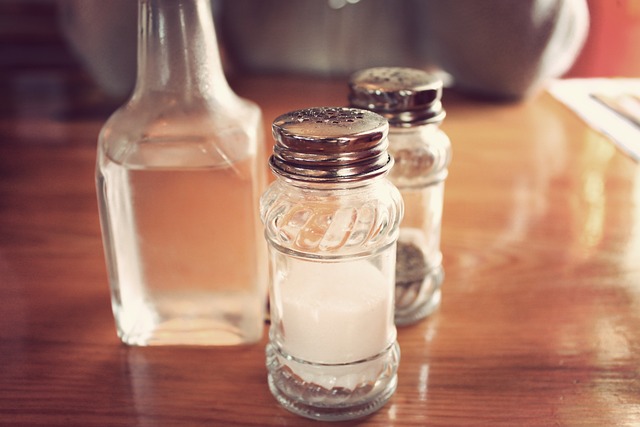
- High salt content: Many anchovies are cured or packed in salt, which veterinary organisations classify as unsuitable in excess.
- Added oils: Anchovies packed in oil may contribute to digestive upset.
- Small bones: Although soft, bones may still pose a choking or irritation risk for some dogs.
Portion size and dog size
Small dogs may be more affected by salt or oil because even a single anchovy can represent a relatively high intake.
Preparation differences
Veterinary sources distinguish between:
- Plain, unsalted anchovies (lower risk)
- Salt-cured anchovies (high sodium content)
- Anchovies in oil or sauces (added fats and seasonings)
Signs Reported When Dogs React Poorly to Anchovies
- Diarrhoea
- Vomiting
- Excessive thirst
These signs are generally associated with salt or fat intake rather than toxicity.
Ingredients or Additives to Watch For
- ❌ High salt or brine (common in preserved anchovies)
- ❌ Oil-packed anchovies (may worsen digestive upset)
- ⚠️ Seasonings or sauces (may contain garlic, onion, or spices)
Puppies vs. Adult Dogs
Veterinary sources do not classify anchovies differently for puppies and adult dogs. However, puppies may be more sensitive to salt and fat because of their smaller size and developing systems.
Other Common Variants of Anchovies
Salt-Cured Anchovies
Often very high in sodium and considered unsuitable according to veterinary nutrition guidance.
Anchovy Paste
Usually contains concentrated salt and oil and is not evaluated as appropriate for dogs.
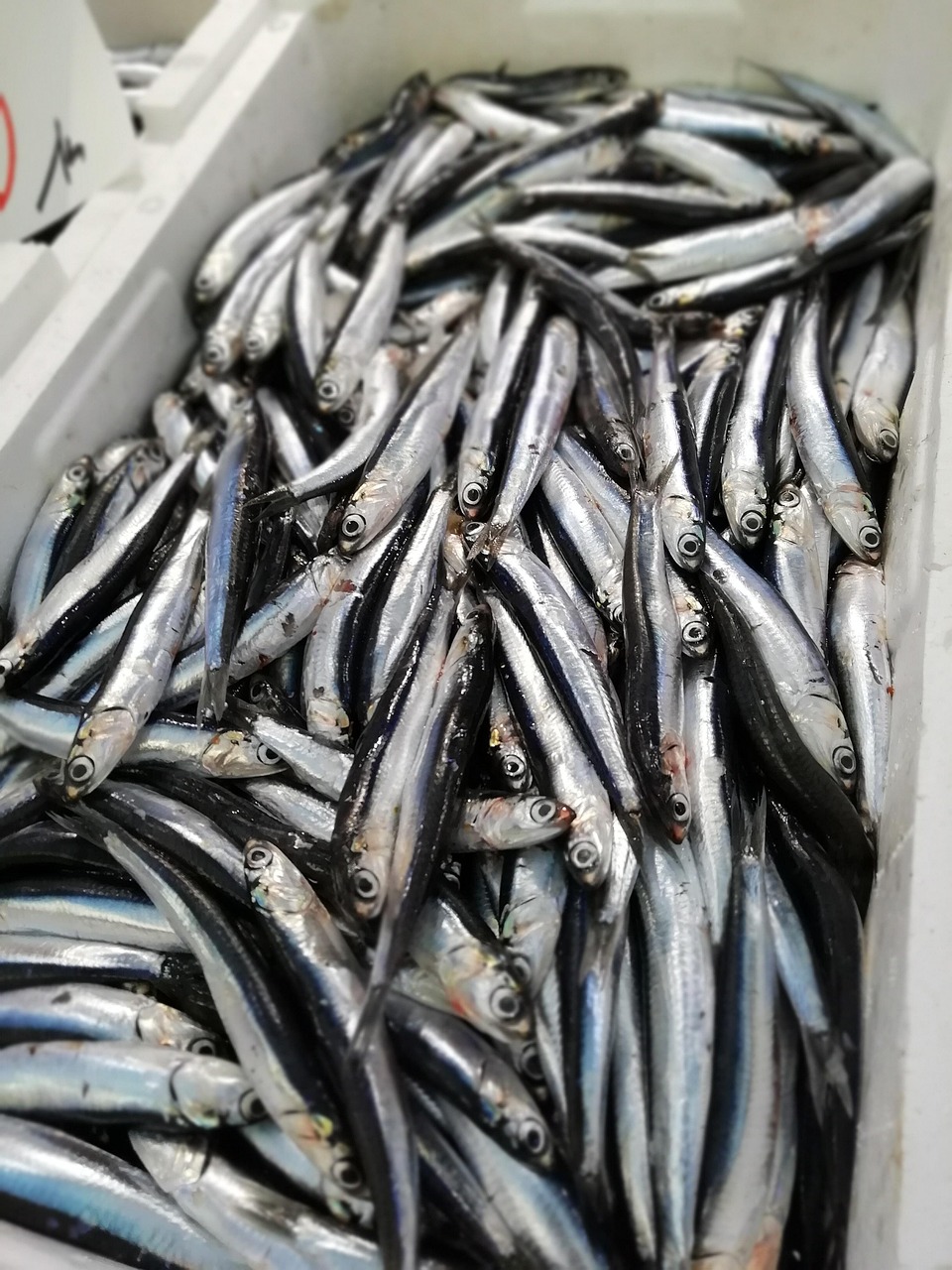
Fresh Anchovies
Less commonly available; lower in salt but still not commonly discussed as a routine dog food.
Dog-Friendly Alternatives Mentioned in Pet-Nutrition Sources
- Plain cooked salmon
- Plain cooked white fish
- Blueberries
- Commercial dog treats
Frequently Asked Questions (FAQ)
This FAQ summarises themes appearing in veterinary pet-care articles.
It is informational only and not a substitute for professional veterinary care.
Are anchovies toxic to dogs?
No. Veterinary organisations classify anchovies as non-toxic.
Why are anchovies usually discouraged?
Most anchovies are preserved with high salt or oil, which veterinary sources list as concerns for dogs.
Are fresh anchovies safer than canned ones?
Fresh anchovies contain less salt, but suitability still depends on preparation and individual tolerance.
Source Reference
This page compiles information from publicly accessible veterinary and pet-safety resources, including:
-
AKC — “Can Dogs Eat Anchovies?”
https://www.akc.org/expert-advice/nutrition/can-dogs-eat-anchovies/ -
PetMD — “Can Dogs Eat Anchovies?”
https://www.petmd.com/dog/nutrition/can-dogs-eat-anchovies
This page is informational only and does not constitute veterinary or medical advice. Readers are encouraged to review these sources directly.