Is Salt Safe for Dogs?
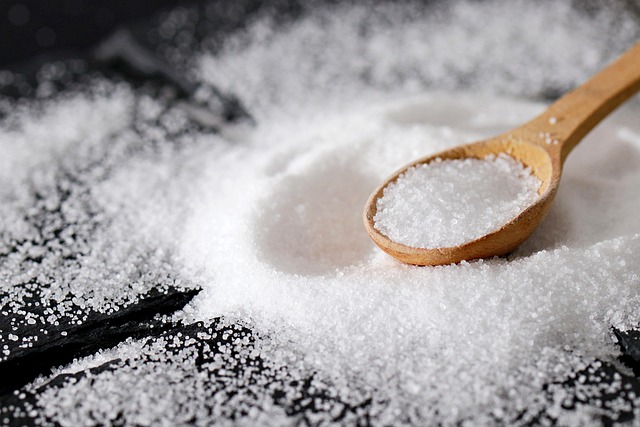
According to veterinary toxicology and pet-safety organisations including the ASPCA, Pet Poison Helpline, and VCA Hospitals, salt is not safe for dogs when consumed in excess. Salt ingestion is a recognised cause of sodium ion toxicosis, a serious medical condition.
Veterinary literature does not define a safe supplemental role for salt as a standalone food item in a dog’s diet. Risks are related to sodium concentration rather than a single exposure threshold.
Why Salt Is Dangerous for Dogs
Sodium ion poisoning
Veterinary toxicology sources explain that excessive sodium intake can disrupt fluid balance and nerve function, resulting in sodium ion poisoning.
Dehydration and electrolyte imbalance
Pet-safety references highlight that salt draws water out of cells, contributing to dehydration and dangerous electrolyte disturbances.
Common exposure sources
Veterinary literature notes that salt exposure often occurs through seasonings, salty snacks, table salt, and processed foods, rather than salt alone.
Signs Reported When Dogs Are Exposed to Excess Salt
Veterinary sources list the following signs:
- Excessive thirst
- Vomiting
- Diarrhoea
- Lethargy
More serious signs
- Tremors
- Seizures
- Disorientation
- Collapse
- Coma
Forms of Salt of Particular Concern
Veterinary and pet-safety sources consistently highlight the following:
- ❌ Table salt — concentrated sodium
- ❌ Rock salt or ice-melt salt — common cause of poisoning
- ❌ Sea salt or Himalayan salt — no safer than regular salt
- ❌ Salty snacks or seasoning blends — high sodium content
Puppies vs. Adult Dogs
Veterinary toxicology sources indicate that puppies and small dogs are at increased risk of salt poisoning due to lower body weight and reduced tolerance for electrolyte imbalances. Sodium toxicosis can affect dogs of all ages.
Other Common Salt-Containing Products
Seasoned foods
Veterinary literature frequently identifies seasoned foods as a major source of sodium exposure.
Processed snacks
Pet-safety organisations list chips, pretzels, and cured foods as common contributors to excess salt intake.
De-icing products
Veterinary sources warn that rock salt used for ice control is a frequent accidental toxin exposure.
Dog-Friendly Alternatives Mentioned in Pet-Safety Sources
Veterinary and pet-nutrition articles commonly reference the following dietary components instead of salty foods:
- Plain foods without seasoning
- Commercial dog foods formulated with balanced electrolytes
- Foods specifically made for canine consumption
Frequently Asked Questions (FAQ)
This FAQ summarises themes appearing in veterinary toxicology and pet-safety literature.
It is informational only and not a substitute for professional veterinary care.
Is salt toxic to dogs?
Yes. Veterinary sources classify excess salt intake as toxic due to the risk of sodium ion poisoning.
How much salt is dangerous?
Veterinary literature states that toxicity depends on body weight and exposure, but no safe amount of added salt is recommended for dogs.
Is sea salt safer than table salt?
Veterinary sources state that all salt types pose the same sodium-related risks.
Source Reference
This page compiles information from publicly accessible veterinary and pet-safety resources, including:
-
ASPCA Animal Poison Control — “People Foods to “Avoid” Feeding Your Pets”
https://www.aspca.org/pet-care/animal-poison-control/people-foods-avoid-feeding-your-pets -
Pet Poison Helpline — “Salt”
https://www.petpoisonhelpline.com/poison/salt/ -
VCA Hospitals — “Sodium Ion Poisoning in Dogs”
https://vcahospitals.com/know-your-pet/sodium-ion-poisoning-in-dogs
This page is informational only and does not constitute veterinary or medical advice. Readers are encouraged to review these sources directly.