Is Coleslaw Safe for Dogs?
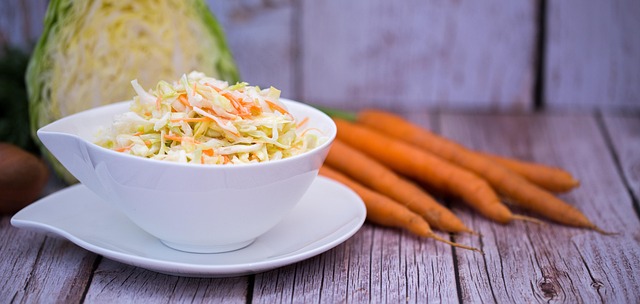
Veterinary pet-care sources, including the American Kennel Club, explain that coleslaw is not inherently toxic, but it is commonly unsuitable for dogs due to its ingredients. While cabbage itself is generally described as non-toxic, coleslaw is rarely served plain.
Veterinary literature consistently highlights that prepared human dishes like coleslaw introduce multiple ingredient-related concerns, which places the food in a caution category rather than a safe one.
Across authoritative sources, the overall assessment depends on what the coleslaw contains, not on the cabbage alone.
Why Coleslaw Can Be a Problem for Some Dogs
Main factors of concern
- Onion, which is commonly included in coleslaw and classified as toxic to dogs by veterinary toxicology sources.
- Mayonnaise, which is high in fat and frequently associated with digestive upset.
- Sugar and vinegar, which veterinary sources describe as unnecessary and potentially irritating to the digestive system.
Portion size and dog size
Veterinary articles note that rich, mixed foods are more likely to cause problems regardless of dog size, with sensitivity varying by individual dog.
Preparation differences
Veterinary sources distinguish between plain cabbage and prepared coleslaw, with added ingredients being the primary concern.
Signs Reported When Dogs React Poorly to Coleslaw
Veterinary sources commonly associate unsuitable mixed foods with:
- Diarrhoea
- Vomiting
- Abdominal discomfort
More serious signs
- Signs associated with onion exposure, including weakness or lethargy
- Ongoing gastrointestinal upset linked to high fat intake
Ingredients or Additives to Watch For
- ❌ Onion (classified as toxic to dogs)
- ❌ Mayonnaise or creamy dressings (high fat content)
- ❌ Sugar or sweetened dressings
- ⚠️ Vinegar or seasonings (may irritate the digestive tract)
Puppies vs. Adult Dogs
Veterinary sources indicate that puppies may be more sensitive to rich or fatty foods. Ingredient-related risks apply to both puppies and adult dogs.
Other Common Variants of Coleslaw
Creamy Coleslaw
Veterinary references highlight higher fat content due to mayonnaise.
Vinegar-Based Coleslaw
Lower in fat but still commonly includes onion and acidic ingredients.
Bagged or Deli Coleslaw
Veterinary sources note that store-bought versions often contain preservatives, sugar, and salt.
Dog-Friendly Alternatives Mentioned in Pet-Nutrition Sources
- Plain cooked cabbage
- Plain carrots
- Plain green beans
Frequently Asked Questions (FAQ)
This FAQ summarises themes appearing in veterinary pet-care articles.
It is informational only and not a substitute for professional veterinary care.
Is coleslaw toxic to dogs?
Veterinary sources do not classify coleslaw as a single toxic food, but they highlight frequent ingredient-related risks.
Why is onion in coleslaw dangerous?
Pet-safety organisations classify onion as toxic to dogs due to its effects on red blood cells.
Is plain cabbage different from coleslaw?
Veterinary articles clearly distinguish plain cabbage from coleslaw, with added ingredients being the main concern.
Source Reference
This page compiles information from publicly accessible veterinary and pet-safety resources, including:
-
American Kennel Club (AKC) — “Can Dogs Eat Coleslaw?”
https://www.akc.org/expert-advice/nutrition/can-dogs-eat-coleslaw/ -
PetMD — “Can Dogs Eat Cabbage?”
https://www.petmd.com/dog/nutrition/can-dogs-eat-cabbage
This page is informational only and does not constitute veterinary or medical advice. Readers are encouraged to review the cited sources directly.