Are Artichokes Safe for Dogs?
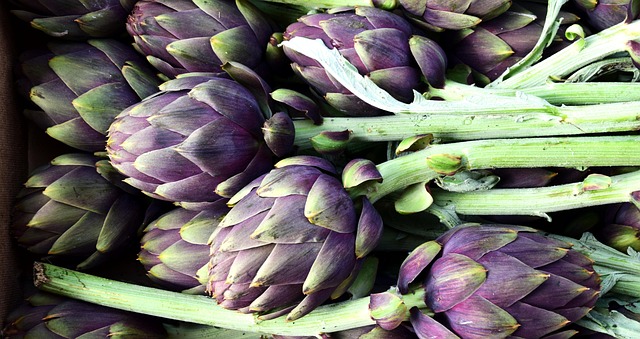
According to the AKC, artichokes are not toxic to dogs, and plain artichoke hearts may be tolerated by some dogs when prepared without added ingredients. However, the AKC notes that the fibrous leaves and tough texture can be difficult for dogs to chew and digest.
Source: https://www.akc.org/expert-advice/nutrition/can-dogs-eat-artichokes/
PetMD similarly states that artichokes themselves are not poisonous, but preparation matters. Oils, seasonings, garlic, and salt—commonly used in artichoke dishes—are frequently cited as the main concerns.
Source: https://www.petmd.com/dog/nutrition/can-dogs-eat-artichokes
Across veterinary nutrition sources, artichokes are generally classified with caution, mainly due to texture and preparation rather than toxicity.
Why Artichokes Can Be a Problem for Some Dogs
Main considerations
- Fibrous leaves and stems: Tough plant parts may pose choking or blockage risks.
- Digestive sensitivity: High fibre content may cause gas or diarrhoea in some dogs.
- Added ingredients: Oils, butter, garlic, or seasonings are commonly noted as unsuitable.
Portion size and dog size
Smaller dogs may be more affected by fibrous foods because a small amount can be harder to chew and digest.
Preparation differences
Veterinary sources distinguish between:
- Plain, cooked artichoke hearts (lower risk)
- Raw artichokes (tougher texture; harder to digest)
- Prepared artichoke dishes (often contain added fats or seasonings)
Signs Reported When Dogs React Poorly to Artichokes
- Vomiting
- Diarrhoea
- Gas or bloating
More serious signs
- Choking
- Signs of gastrointestinal blockage (linked to fibrous leaves or stems)
Ingredients or Additives to Watch For
- ❌ Garlic or onion (commonly used in artichoke dishes and classified as toxic to dogs)
- ❌ Butter, oil, or cheese sauces (high fat content)
- ⚠️ Salt or seasoning blends (may irritate the digestive system)
Puppies vs. Adult Dogs
Veterinary sources do not classify artichokes differently for puppies and adult dogs. However, puppies may be more prone to choking or digestive upset due to their smaller size and developing chewing ability.
Other Common Variants of Artichokes
Artichoke Hearts
Generally discussed as the most digestible part when plain and cooked.
Marinated Artichokes
Often contain oil, vinegar, garlic, and salt, which veterinary sources flag as concerns.
Artichoke Dip
Typically contains dairy, fats, and seasonings and is not evaluated as suitable for dogs.
Dog-Friendly Alternatives Mentioned in Pet-Nutrition Sources
- Carrot sticks
- Green beans
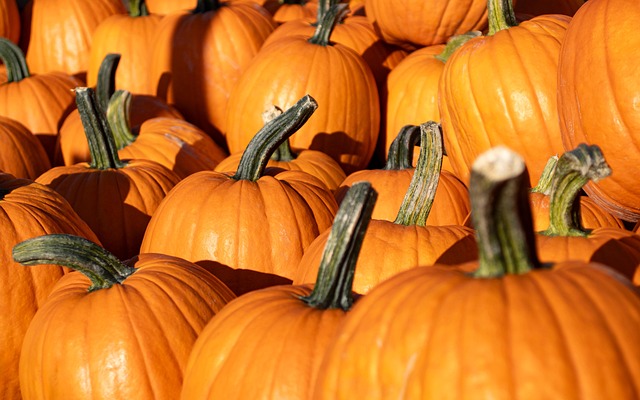
- Cooked pumpkin
- Commercial dog treats
Frequently Asked Questions (FAQ)
This FAQ summarises themes appearing in veterinary pet-care articles.
It is informational only and not a substitute for professional veterinary care.
Are artichokes toxic to dogs?
No. Veterinary organisations classify artichokes as non-toxic.
Which part of the artichoke is safest?
Veterinary sources commonly note that the heart is softer and easier to digest than the leaves or stem.
Can artichokes cause digestive upset?
Yes. Their fibre content and texture may cause gas or diarrhoea in some dogs.
Source Reference
This page compiles information from publicly accessible veterinary and pet-safety resources, including:
-
AKC — “Can Dogs Eat Artichokes?”
https://www.akc.org/expert-advice/nutrition/can-dogs-eat-artichokes/ -
PetMD — “Can Dogs Eat Artichokes?”
https://www.petmd.com/dog/nutrition/can-dogs-eat-artichokes
This page is informational only and does not constitute veterinary or medical advice. Readers are encouraged to review these sources directly.