Is Pumpkin Safe for Dogs?
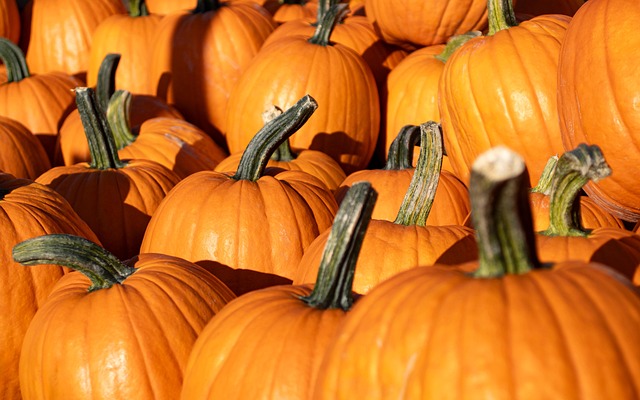
According to veterinary and pet-nutrition sources including the American Kennel Club and PetMD, pumpkin is considered safe for dogs when referring to the flesh of the pumpkin. The ASPCA also lists pumpkin as a non-toxic plant for pets.
Veterinary literature consistently distinguishes plain pumpkin flesh from other parts of the plant and from pumpkin products that contain added ingredients.
Why Pumpkin Is Generally Considered Safe
Non-toxic plant
Veterinary toxicology references do not identify pumpkin flesh as containing compounds that are poisonous to dogs.
Common inclusion in pet nutrition discussions
Pet-nutrition articles frequently reference pumpkin when discussing canine diets, particularly in relation to fiber content and digestive tolerance.
Preparation differences
Veterinary sources note that safety assessments focus on plain pumpkin flesh, with attention to how it is prepared.
Signs Reported When Dogs React Poorly to Pumpkin
Veterinary sources indicate that adverse reactions are uncommon but may include:
- Mild digestive upset
- Loose stools
These effects are typically discussed in relation to quantity or preparation rather than toxicity.
Ingredients or Additives to Watch For
Veterinary sources distinguish whole pumpkin from other pumpkin-related items:
- ❌ Pumpkin stems, leaves, or vines — discussed separately from the flesh and not intended for consumption
- ❌ Pumpkin pie filling — often contains sugar and spices
- ⚠️ Raw pumpkin — may be more difficult to digest for some dogs
- ⚠️ Seasonings, salt, or oils — commonly added during cooking
Puppies vs. Adult Dogs
Veterinary nutrition sources do not identify pumpkin as age-specific in terms of toxicity. Digestive sensitivity may vary by individual dog, but pumpkin itself is not listed as unsafe for puppies or adult dogs.
Other Common Variants of Pumpkin
Fresh cooked pumpkin
Veterinary literature treats cooked pumpkin flesh as comparable to other plain vegetables discussed in canine diets.
Canned pumpkin
Pet-nutrition sources discuss canned pumpkin separately, emphasizing ingredient labels to ensure it contains only pumpkin.
Pumpkin seeds
Veterinary sources note that seeds are discussed differently from flesh and are not the primary focus of pumpkin safety guidance.
Dog-Friendly Alternatives Mentioned in Pet-Nutrition Sources
Veterinary and pet-nutrition articles commonly reference the following vegetables as examples discussed in canine diets:
- Sweet potatoes
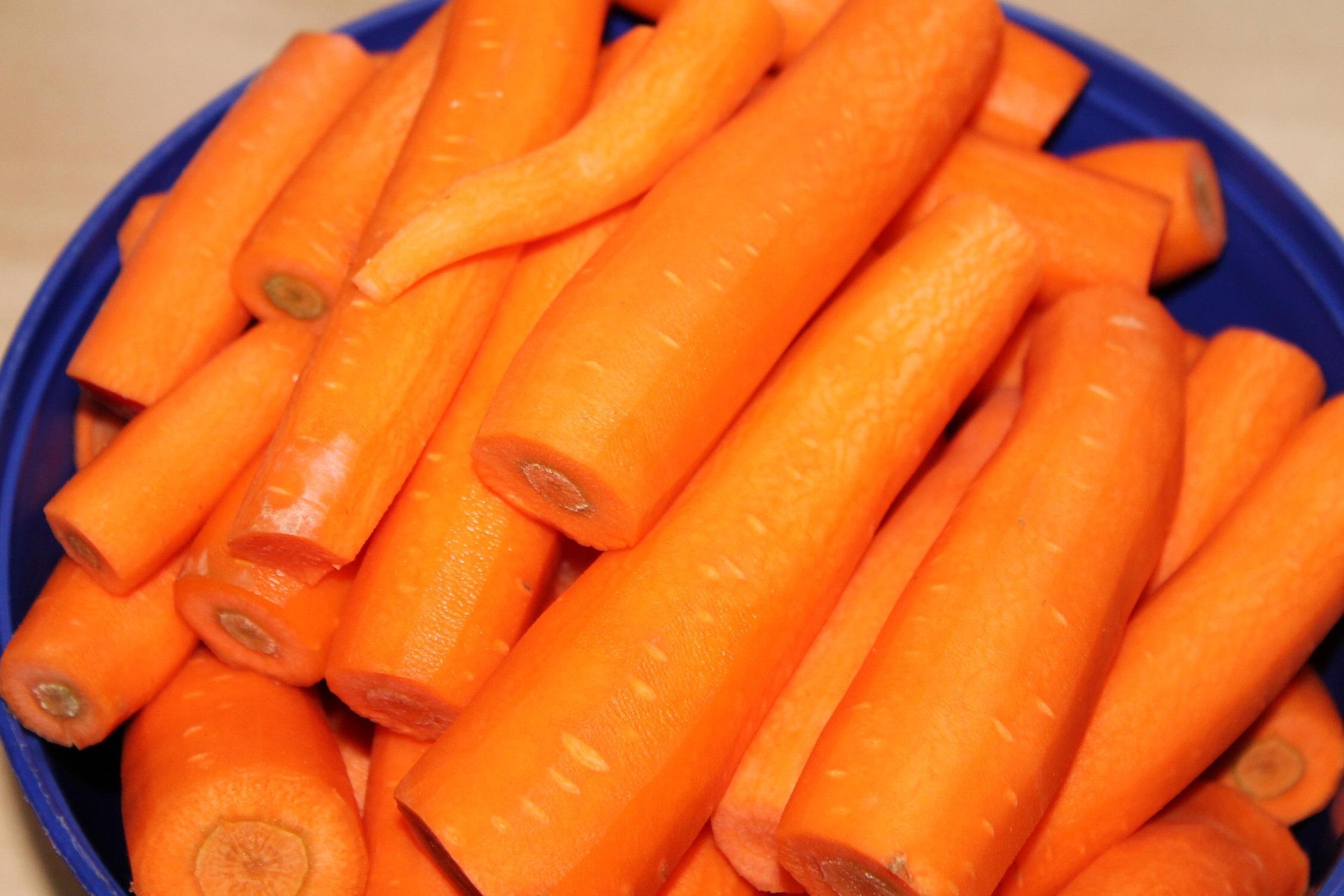
- Carrots
- Green beans
Frequently Asked Questions (FAQ)
This FAQ summarises themes appearing in veterinary pet-nutrition articles.
It is informational only and not a substitute for professional veterinary care.
Is pumpkin toxic to dogs?
Veterinary sources do not classify pumpkin flesh as toxic. It is listed as non-toxic by the ASPCA.
Is whole pumpkin different from pumpkin products?
Pet-nutrition articles distinguish whole pumpkin flesh from pumpkin products that contain added sugar, spices, or preservatives.
Are pumpkin plants safe?
Veterinary toxicology sources list pumpkin plants as non-toxic, though plant parts are not discussed as food items.
Source Reference
This page compiles information from publicly accessible veterinary and pet-nutrition resources, including:
-
American Kennel Club (AKC) — “Can Dogs Eat Pumpkin?”
https://www.akc.org/expert-advice/nutrition/can-dogs-eat-pumpkin/ -
PetMD — “Can Dogs Eat Pumpkin?”
https://www.petmd.com/dog/nutrition/can-dogs-eat-pumpkin -
ASPCA — “Pumpkin (Toxic and Non-Toxic Plants)”
https://www.aspca.org/pet-care/animal-poison-control/toxic-and-non-toxic-plants/pumpkin
This page is informational only and does not constitute veterinary or medical advice. Readers are encouraged to review these sources directly.