Are Potatoes Safe for Dogs?
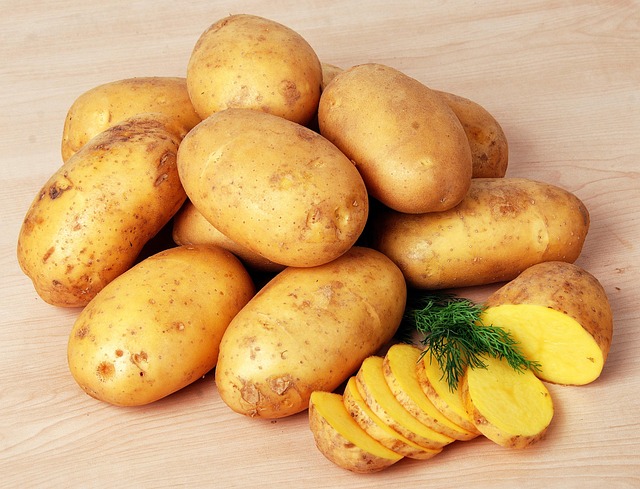
According to veterinary and pet-safety sources including the American Kennel Club, PetMD, and the ASPCA, potatoes are not inherently toxic to dogs when they are fully cooked and plain. These sources distinguish clearly between cooked potatoes and raw or green potatoes.
Veterinary literature consistently identifies raw potatoes, green potato skins, and the potato plant as the primary concerns due to the presence of solanine, a naturally occurring compound.
Why Potatoes Can Be a Problem for Some Dogs
Solanine in raw or green potatoes
Veterinary toxicology sources explain that solanine is present in raw potatoes, green skins, sprouts, and the potato plant. Solanine is listed as toxic to dogs.
Preparation differences
Pet-nutrition articles note that cooking reduces solanine levels, which is why cooked potatoes are discussed differently from raw potatoes in veterinary guidance.
Added ingredients
Veterinary literature highlights that potatoes are commonly prepared with salt, butter, oils, or seasonings, which introduce additional risks unrelated to the potato itself.
Signs Reported When Dogs React Poorly to Potatoes
Veterinary sources list the following signs associated with solanine exposure or digestive sensitivity:
- Vomiting
- Diarrhoea
- Abdominal discomfort
More serious signs
- Lethargy
- Weakness or tremors linked to solanine exposure, as discussed in toxicology references
Ingredients or Additives to Watch For
Veterinary sources distinguish plain potatoes from potato-based dishes:
- ❌ Raw potatoes or green potato skins — contain solanine
- ❌ Potato plants or leaves — classified as toxic to dogs by the ASPCA
- ❌ Salt, butter, oils, or seasonings — commonly added and associated with digestive upset
- ⚠️ Fried potato products — higher fat content
Puppies vs. Adult Dogs
Veterinary sources note that puppies and smaller dogs may be more sensitive to solanine exposure and digestive upset due to body size. The solanine-related risks apply to dogs of all ages.
Other Common Variants of Potatoes
Raw potatoes
Veterinary literature consistently classifies raw potatoes as unsafe due to solanine.
Cooked potatoes
Pet-nutrition sources discuss cooked potatoes separately, focusing on preparation and additives rather than toxicity.
Potato skins
Veterinary sources highlight green or sprouted skins as higher risk due to increased solanine concentration.
Dog-Friendly Alternatives Mentioned in Pet-Safety Sources
Veterinary and pet-nutrition articles commonly reference the following vegetables as examples discussed in canine diets:
- Sweet potatoes
- Carrots
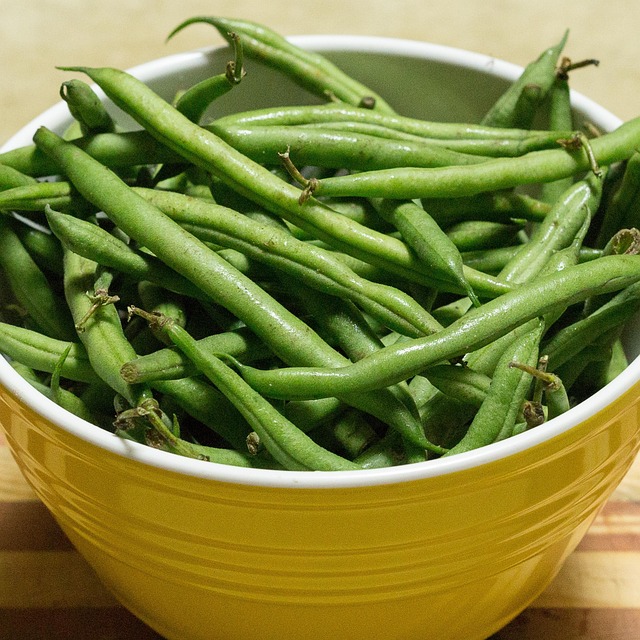
- Green beans
Frequently Asked Questions (FAQ)
This FAQ summarises themes appearing in veterinary pet-safety articles.
It is informational only and not a substitute for professional veterinary care.
Are potatoes toxic to dogs?
Veterinary sources do not classify cooked potato flesh as toxic. Raw potatoes, green skins, and the potato plant are identified as toxic due to solanine.
Why are green potatoes considered dangerous?
Pet-safety sources explain that green coloration indicates higher solanine levels, which are toxic to dogs.
Are potatoes different from sweet potatoes?
Veterinary literature distinguishes white potatoes from sweet potatoes, noting different plant families and different safety considerations.
Source Reference
This page compiles information from publicly accessible veterinary and pet-safety resources, including:
-
American Kennel Club (AKC) — “Can Dogs Eat Potatoes?”
https://www.akc.org/expert-advice/nutrition/can-dogs-eat-potatoes/ -
PetMD — “Can Dogs Eat Potatoes?”
https://www.petmd.com/dog/nutrition/can-dogs-eat-potatoes -
ASPCA — “Potato (Toxic and Non-Toxic Plants)”
https://www.aspca.org/pet-care/animal-poison-control/toxic-and-non-toxic-plants/potato
This page is informational only and does not constitute veterinary or medical advice. Readers are encouraged to review these sources directly.