Is Spinach Safe for Dogs?
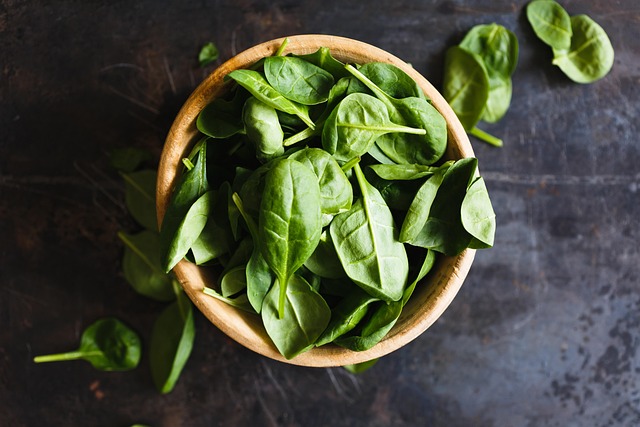
Veterinary and pet-nutrition sources generally agree that spinach is not toxic to dogs, but it is commonly classified under a caution category. The AKC and PetMD both explain that spinach contains oxalates, naturally occurring compounds that can interfere with calcium absorption and may contribute to urinary or kidney concerns in some dogs.
Because of these factors, spinach is discussed differently from many other vegetables in veterinary literature.
Why Spinach Can Be a Problem for Some Dogs
Main compounds of concern
- Oxalates, noted in veterinary sources as a concern for dogs with kidney or bladder conditions
- Naturally occurring minerals, which may affect dogs with specific health sensitivities
Portion size and dog size
Veterinary articles note that larger quantities of oxalate-containing foods may pose greater concern, particularly for dogs with pre-existing urinary or kidney issues. Sensitivity can vary regardless of dog size.
Preparation differences
Veterinary sources distinguish plain spinach from spinach prepared with salt, butter, garlic, or other seasonings. The caution classification applies to spinach without added ingredients.
Signs Reported When Dogs React Poorly to Spinach
Veterinary and pet-care resources associate spinach-related issues primarily with digestive or urinary concerns, including:
- Vomiting
- Diarrhoea
- Changes in urination
Less commonly discussed concerns
- Worsening of existing kidney or bladder conditions
- Mineral balance disruption in sensitive dogs
Ingredients or Additives to Watch For
- ❌ Garlic or onion, sometimes used in cooked spinach dishes and classified as toxic by ASPCA/APCC
- ❌ Added salt, commonly present in prepared spinach products
- ⚠️ Butter or oils, frequently noted as potential digestive irritants
Puppies vs. Adult Dogs
Veterinary sources generally indicate that puppies and adult dogs are subject to similar considerations regarding spinach. Concerns related to oxalates apply primarily to dogs with existing kidney or urinary conditions rather than age alone.
Other Common Spinach Variants
Cooked spinach dishes
Veterinary articles focus concerns on added ingredients rather than the spinach itself when discussing cooked spinach dishes.
Frozen spinach
Frozen spinach is discussed similarly to fresh spinach in veterinary nutrition sources, with attention placed on preparation and added ingredients.
Dog-Friendly Alternatives Mentioned in Pet-Nutrition Sources
- Carrots
- Green beans
- Cucumbers
- Commercial dog foods containing vegetables
Frequently Asked Questions (FAQ)
This FAQ summarises themes appearing in veterinary pet-care articles.
It is informational only and not a substitute for professional veterinary care.
Is spinach toxic to dogs?
Veterinary sources do not classify spinach as toxic, but they consistently highlight oxalate-related concerns for some dogs.
Why are oxalates mentioned so often?
Oxalates are discussed in veterinary literature because they may contribute to kidney or urinary issues in susceptible dogs.
Is spinach different from other leafy greens?
Pet-nutrition articles often note that spinach contains higher oxalate levels than some other leafy vegetables, which influences its caution classification.
Source Reference
This page compiles information from publicly accessible veterinary and pet-safety resources, including:
-
American Kennel Club (AKC) — “Can Dogs Eat Spinach?”
https://www.akc.org/expert-advice/nutrition/can-dogs-eat-spinach/ -
PetMD — “Can Dogs Eat Spinach?”
https://www.petmd.com/dog/nutrition/can-dogs-eat-spinach -
VCA Hospitals — “Vegetables for Dogs”
https://vcahospitals.com/know-your-pet/vegetables-for-dogs
This page is informational only and does not constitute veterinary or medical advice. Readers are encouraged to review the cited sources directly.