Are Onions Safe for Dogs?
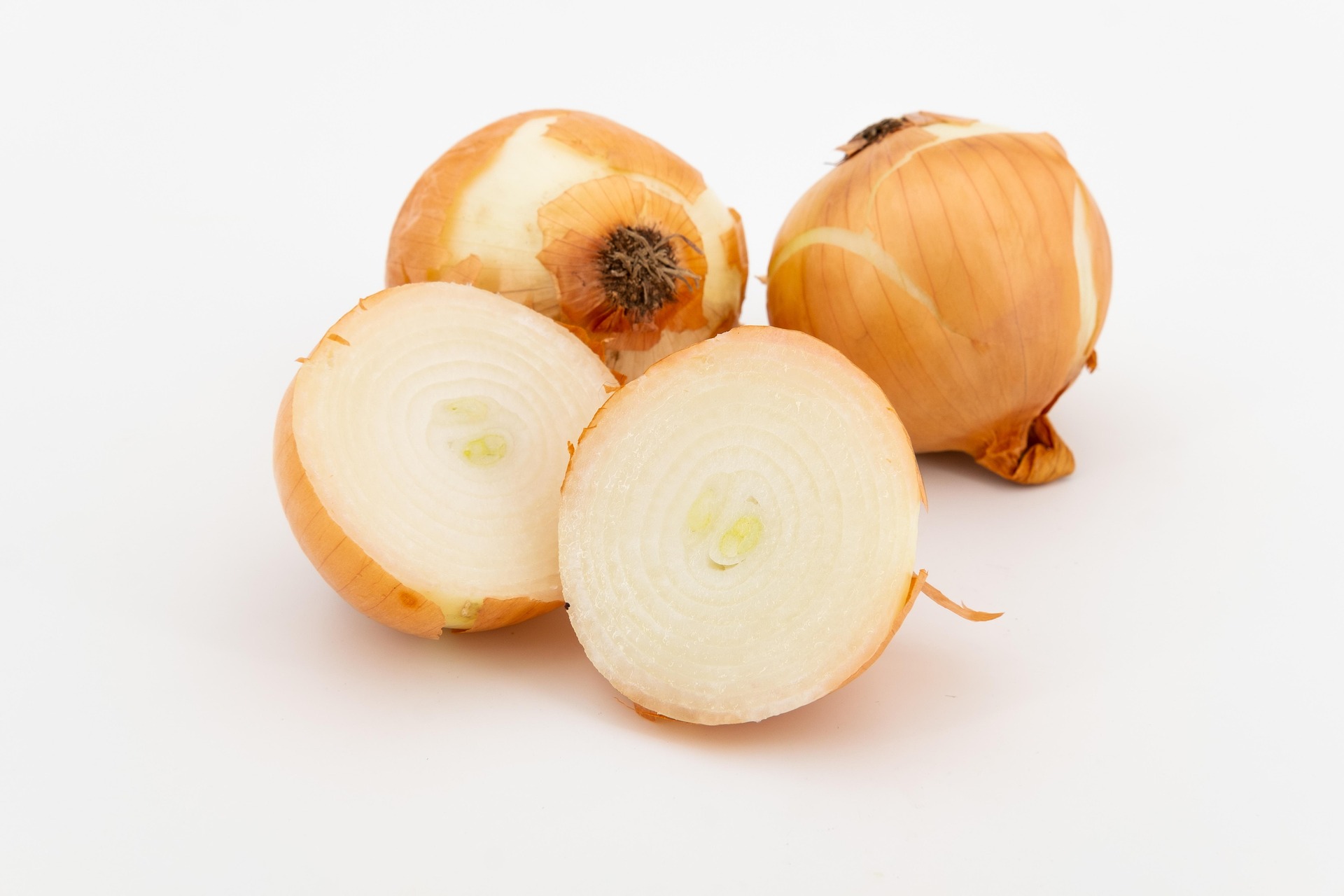
Veterinary organisations, including the ASPCA and Pet Poison Helpline, classify onions as toxic to dogs. Onions contain sulfur-containing compounds that can damage red blood cells, resulting in haemolytic anaemia.
Source: https://www.petpoisonhelpline.com/poison/onions/
The Merck Veterinary Manual explains that toxicity can occur from raw, cooked, or powdered onion, and that onion powder found in processed foods is a particularly common source of exposure.
Source: https://www.merckvetmanual.com/toxicology/food-hazards/onion-and-garlic-toxicity-in-animals
VCA Hospitals notes that clinical signs may not appear for several days after ingestion, but damage to red blood cells begins earlier.
Source: https://vcahospitals.com/know-your-pet/onion-toxicity-in-dogs
Why Onions Can Be a Problem for Some Dogs
Main compounds of concern
- N-propyl disulfide, identified in veterinary toxicology sources as the compound responsible for damaging red blood cells.
- Thiosulphates, also contributing to oxidative damage.
Portion size and dog size
Toxicity is dose-dependent, but even moderate amounts can cause problems. Smaller dogs may be affected more severely by the same amount of onion compared to larger dogs.
Preparation differences
Veterinary organisations classify all forms of onion as unsafe, including:
- Raw onions
- Cooked onions
- Onion powder (common in many processed foods)
- Dehydrated onions
- Onion-containing dishes such as soups, gravies, or sauces
Signs Reported When Dogs React Poorly to Onions
- Vomiting
- Diarrhoea
- Lethargy
More serious signs
- Pale gums
- Increased heart rate
- Weakness or collapse
- Signs consistent with haemolytic anaemia
These signs are documented in toxicology summaries by VCA Hospitals and Merck Veterinary Manual.
Ingredients or Additives to Watch For
- ❌ Onion powder (common in gravies, seasonings, snacks)
- ❌ Mixed dishes containing onions (soups, stews, stir-fries)
- ⚠️ Other allium vegetables (garlic, leeks, chives — also classified as toxic)
Puppies vs. Adult Dogs
Puppies and adult dogs are both vulnerable, but puppies may be more severely affected due to their smaller size. Veterinary organisations caution that no form of onion is safe for dogs at any age.
Other Common Variants of Onions
Onion Powder
Considered particularly concerning because it is concentrated and commonly found in processed foods.
Cooked Onions
Still toxic, as cooking does not remove harmful compounds.
Dog-Friendly Alternatives Mentioned in Pet-Nutrition Sources
- Carrot sticks
- Blueberries
- Plain pumpkin purée
- Commercial dog treats
Frequently Asked Questions (FAQ)
This FAQ summarises themes appearing in veterinary pet-care articles.
It is informational only and not a substitute for professional veterinary care.
Why are onions toxic to dogs?
Onions contain compounds that damage red blood cells, leading to haemolytic anaemia.
Are cooked onions safer than raw onions?
No. Veterinary toxicology sources state that all forms of onion are unsafe.
How soon do signs appear?
Signs may appear within a day but often develop over several days as red blood cell damage progresses.
Source Reference
This page compiles information from publicly accessible veterinary and pet-safety resources, including:
-
ASPCA — “Onion (Toxic and Non-Toxic Plants)”
https://www.aspca.org/pet-care/animal-poison-control/toxic-and-non-toxic-plants/onion -
Pet Poison Helpline — “Onion Poisoning”
https://www.petpoisonhelpline.com/poison/onions/ -
Merck Veterinary Manual — “Onion and Garlic Toxicity in Animals”
https://www.merckvetmanual.com/toxicology/food-hazards/onion-and-garlic-toxicity-in-animals -
VCA Hospitals — “Onion Toxicity in Dogs”
https://vcahospitals.com/know-your-pet/onion-toxicity-in-dogs
This page is informational only and does not constitute veterinary or medical advice. Readers are encouraged to review these sources directly.