Is Frozen Corn Safe for Dogs?
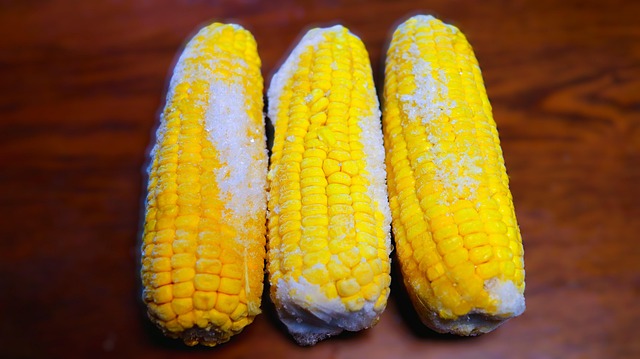
Veterinary and pet-nutrition organisations generally describe plain corn kernels as non-toxic to dogs. Freezing does not change the inherent safety profile of corn.
However, these same sources consistently classify corn as a food requiring caution. The AKC and PetMD explain that corn offers limited nutritional value for dogs and may be difficult to digest for some individuals. VCA Hospitals places particular emphasis on the dangers associated with corn cobs, which are frequently involved in intestinal obstruction cases.
Frozen corn is discussed in veterinary guidance in the same way as fresh corn kernels, with preparation and form being the primary considerations.
Why Frozen Corn Can Be a Problem for Some Dogs
Digestibility
Pet-nutrition sources note that corn kernels may pass through the digestive tract undigested, which can contribute to gastrointestinal discomfort in some dogs.
Fibre and carbohydrate content
Veterinary articles explain that corn is high in carbohydrates and fibre, which may lead to gas or loose stools when consumed in larger amounts.
Form and presentation
VCA Hospitals highlights that corn cobs pose a significant choking and blockage risk, a concern unrelated to the corn itself but central to overall safety discussions.
Signs Reported When Dogs React Poorly to Corn
Veterinary sources describe the following signs when dogs experience difficulty tolerating corn:
- Vomiting
- Diarrhoea
- Gas or bloating
- Abdominal discomfort
More serious signs discussed in relation to corn cobs include intestinal blockage.
Ingredients or Additives to Watch For
Frozen corn products may include added ingredients that veterinary organisations frequently flag as concerns:
- ❌ Butter or oils, associated with digestive upset
- ⚠️ Salt, commonly added to seasoned frozen corn
- ⚠️ Mixed vegetables with onion or garlic, which are classified as toxic to dogs
Concerns focus on added ingredients rather than plain corn kernels.
Puppies vs. Adult Dogs
Veterinary literature notes that puppies may be more vulnerable to gastrointestinal upset and obstruction due to smaller body size. However, the risks associated with corn cobs and digestion apply to dogs of all ages.
Other Common Corn Products
Corn on the cob
VCA Hospitals repeatedly lists corn cobs as a high-risk item due to their tendency to cause intestinal blockage.
Canned corn
Pet-nutrition sources discuss canned corn similarly to frozen corn, with additional attention given to salt content.
Corn Products Mentioned in Veterinary Sources
Veterinary and pet-nutrition articles often reference these items when discussing corn-related concerns:
- Cornbread
- Tortilla chips
- Popcorn
These discussions consistently focus on preparation, additives, and form.
Frequently Asked Questions (FAQ)
This FAQ summarises themes appearing in veterinary and pet-nutrition articles.
It is informational only and not a substitute for professional veterinary care.
Is frozen corn different from fresh corn?
Veterinary sources state that freezing does not change whether corn is safe. Digestibility and preparation are the primary concerns.
Is corn toxic to dogs?
Veterinary organisations do not classify plain corn kernels as toxic. The primary risks involve digestion and corn cobs.
Why are corn cobs mentioned so often?
VCA Hospitals identifies corn cobs as a common cause of intestinal obstruction in dogs.
Source Reference
This page compiles information from publicly accessible veterinary and pet-safety resources, including:
-
American Kennel Club (AKC) — “Can Dogs Eat Corn?”
https://www.akc.org/expert-advice/nutrition/can-dogs-eat-corn/ -
PetMD — “Can Dogs Eat Corn?”
https://www.petmd.com/dog/nutrition/can-dogs-eat-corn -
VCA Hospitals — “Corn Cobs Can Cause Intestinal Obstruction”
https://vcahospitals.com/know-your-pet/corn-cobs-can-cause-intestinal-obstruction
This page is informational only and does not constitute veterinary or medical advice. Readers are encouraged to review the cited sources directly.