Is Frozen Pizza Safe for Dogs?
Veterinary and pet-nutrition organisations consistently describe pizza as a processed, multi-ingredient food that poses risks to dogs. While no single base ingredient makes pizza universally toxic, the combination of toppings and preparation places it in a caution category.
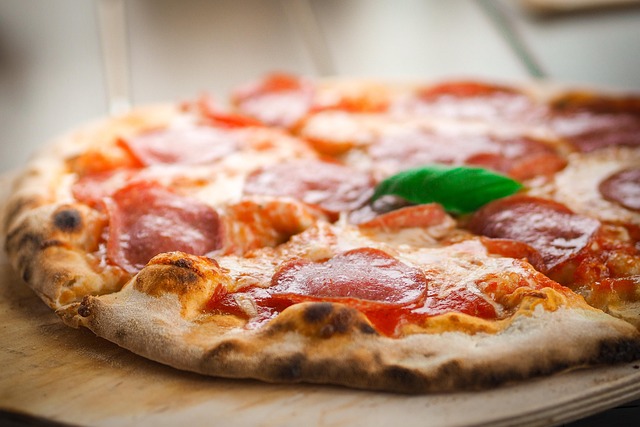
Frozen pizza is discussed in veterinary guidance in the same way as fresh or takeaway pizza. The AKC and PetMD both emphasise that concerns arise from cheese, sauces, seasoning, and toppings, rather than from bread or tomato alone.
Across veterinary references, frozen pizza is not considered a suitable food due to ingredient-related risks.
Why Frozen Pizza Can Be a Problem for Some Dogs
High fat and salt content
Veterinary sources note that pizza is typically high in fat and sodium. These characteristics are commonly associated with gastrointestinal upset in dogs.
Dairy ingredients
Cheese is frequently mentioned by pet-nutrition sources as a trigger for digestive discomfort, particularly in dogs that do not tolerate lactose well.
Toppings of concern
The ASPCA and AKC highlight that common pizza toppings such as onion and garlic are classified as toxic to dogs, even when cooked or powdered.
Signs Reported When Dogs React Poorly to Pizza
Veterinary sources describe the following signs when dogs experience intolerance to rich or processed foods:
- Vomiting
- Diarrhoea
- Abdominal discomfort
- Lethargy
More serious signs may occur if toxic toppings are involved.
Ingredients or Additives to Watch For
Frozen pizzas may contain ingredients that veterinary organisations explicitly flag as unsafe or concerning:
- ❌ Onion or garlic (including powders in sauces)
- ⚠️ High salt levels, common in processed frozen foods
- ⚠️ Cheese and added fats, associated with digestive upset
- ⚠️ Processed meats, which may contain preservatives and seasoning
Concerns relate to ingredient combinations rather than pizza dough alone.
Puppies vs. Adult Dogs
Veterinary literature notes that puppies may be more sensitive to rich, salty, or fatty foods. Toxic ingredients such as onion and garlic pose risks to dogs of all ages.
Other Common Forms of Pizza
Cheese pizza
Veterinary sources still classify cheese-only pizza as a food of concern due to fat, salt, and dairy content.
Meat-topped pizza
Processed meats introduce additional salt, fat, and preservatives, increasing overall risk.
Pizza Components Discussed in Veterinary Sources
Pet-safety articles frequently reference these components when discussing pizza-related concerns:
- Cheese
- Tomato sauce with seasoning
- Bread or crust
- Vegetable and meat toppings
The combination of these elements determines overall risk.
Frequently Asked Questions (FAQ)
This FAQ summarises themes appearing in veterinary and pet-safety articles.
It is informational only and not a substitute for professional veterinary care.
Is frozen pizza different from fresh pizza?
Veterinary sources focus on ingredients rather than freezing. Frozen pizza presents similar concerns to other types of pizza.
Is pizza toxic to dogs?
Veterinary organisations do not classify pizza itself as toxic, but note that toxic toppings such as onion or garlic may be present.
Why do veterinary sources focus on toppings?
Pet-safety guidance consistently identifies certain toppings as the primary risk, rather than the dough or tomato base.
Source Reference
This page compiles information from publicly accessible veterinary and pet-safety resources, including:
-
American Kennel Club (AKC) — “Can Dogs Eat Pizza?”
https://www.akc.org/expert-advice/nutrition/can-dogs-eat-pizza/ -
PetMD — “Can Dogs Eat Pizza?”
https://www.petmd.com/dog/nutrition/can-dogs-eat-pizza -
ASPCA Animal Poison Control — “People Foods to Avoid Feeding Your Pets”
https://www.aspca.org/pet-care/animal-poison-control/people-foods
This page is informational only and does not constitute veterinary or medical advice. Readers are encouraged to review the cited sources directly.