This Is a Veterinary Emergency
If your dog has eaten raw pizza dough or any raw yeast dough: call your vet or the nearest emergency animal hospital right now. Do not wait to see whether symptoms develop. The dough is still rising inside your dog’s stomach. The yeast is still fermenting and producing alcohol. Both hazards worsen with every minute that passes. The window for the most effective treatment — while the dog is still clinically normal — closes quickly.
Emergency contacts (US):
- Your nearest veterinary emergency clinic
- Pet Poison Helpline: (855) 764-7661 (per-incident fee of ~$89 applies)
- ASPCA Poison Control: (888) 426-4435 (per-incident fee applies)
If your dog ate raw dough recently, stop reading and make that call now.
Raw Dough vs. Baked: The Only Distinction That Matters
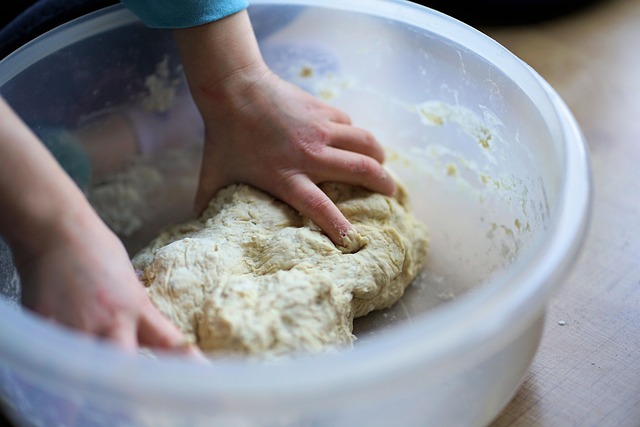
Raw yeast dough — emergency. Live, active yeast continues fermenting in the warm, moist environment of the stomach. It produces gas that expands the dough mass and alcohol that absorbs into the bloodstream. Both are happening continuously and simultaneously until the yeast is removed or neutralised.
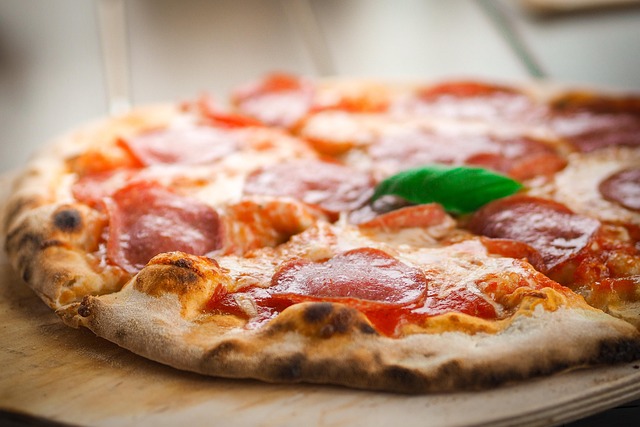
Fully baked bread or pizza crust — not a yeast emergency. Oven temperatures kill the yeast entirely. There is no live yeast, no fermentation, no expansion, no alcohol production. A dog that ate cooked pizza crust or a piece of baked bread faces ordinary food concerns — salt, fat, toppings — not a toxicological emergency.
This distinction is absolute. If it has been baked through, the yeast hazards are gone. If it is raw, partially baked, or still doughy in the centre, treat it as an emergency.
Why This Is an Emergency: Two Simultaneous Hazards
Hazard 1: Gastric expansion and GDV
The stomach is warm and moist — optimal conditions for yeast to keep producing gas. The dough continues to rise inside the stomach just as it would on a kitchen counter. Progressive gastric distension causes pain, stretches the abdominal wall, and pushes against the diaphragm, compressing the lungs.
In serious cases — and particularly in deep-chested, large-breed dogs — the expanding stomach can twist (gastric dilation-volvulus, or GDV). When the stomach twists, it cuts off the blood supply to itself and the spleen. The ASPCA describes this directly: yeast dough can cause “the stomach to bloat, and potentially twist, becoming a life-threatening emergency.” GDV requires emergency surgery and carries a high mortality rate if not treated within hours.
Even without GDV, severe gastric distension can compromise blood flow to the stomach wall itself, causing tissue damage that may not be immediately visible.
Hazard 2: Ethanol toxicosis
Yeast fermentation produces ethanol alongside carbon dioxide. The Pet Poison Helpline explains: “When the yeast use sugars in the unbaked dough, they produce carbon dioxide gas and alcohol.” That ethanol is absorbed directly through the gastrointestinal mucosa — rapidly. The Merck Veterinary Manual documents peak blood ethanol levels within approximately 1.5–2 hours of ingestion.
Dogs metabolise ethanol very poorly. The Merck Veterinary Manual identifies two specific and dangerous metabolic effects:
- Hypoglycaemia: Ethanol depletes pyruvate, blocking gluconeogenesis — the liver’s ability to produce glucose. Blood sugar drops, potentially causing weakness, trembling, seizures, and collapse.
- Hypothermia: Ethanol causes peripheral vasodilation and CNS depression, disrupting thermoregulation. Core body temperature falls.
Ethanol toxicosis is the more common cause of death in bread dough cases. Both hazards compound each other: a dog with CNS depression from alcohol absorption is simultaneously at higher GDV risk and less able to protect its airway if it vomits.
What To Do Right Now
-
Call your vet or emergency animal hospital immediately. The Merck Veterinary Manual is explicit: the most effective interventions are possible only while the dog is still clinically normal — before symptoms appear. Once ethanol is substantially absorbed and the dough has expanded, options narrow. Do not wait.
-
Do not try to induce vomiting yourself. Vomiting in a dog with any CNS depression or ataxia carries a real aspiration risk. Whether to induce vomiting is a clinical decision the vet makes after assessing the dog in person.
-
Do not try to force your dog to drink large amounts of water. Vets may administer small amounts of cold water under clinical supervision to transiently slow fermentation, but forcing water into a dog that may be developing CNS depression at home carries an aspiration risk. Keep a normal water bowl available; do not attempt to administer water yourself.
-
Note the amount and the time. A small nibble versus half a raw dough ball, and how long ago it happened, is the most useful information you can give a vet. For commercial dough, note the product if you can.
-
Get to the vet. This is not a situation to monitor at home.
With prompt treatment, prognosis is excellent. Dogs that receive veterinary care before significant alcohol absorption and dough expansion typically recover fully within 12–24 hours. Speed is what determines outcome.
Signs of Raw Dough Poisoning
If you are already seeing signs, treatment is more urgent — call and go immediately. The fermentation has been underway for some time. Tell the vet about the dough exposure and when it happened.
Early signs — onset typically 30–60 minutes after ingestion, sometimes delayed 2+ hours:
- Unproductive retching or vomiting attempts
- Visibly bloated or distended abdomen
- Abdominal pain (restlessness, reluctance to move, hunched posture)
- Lethargy
- Ataxia (stumbling, difficulty walking)
- Disorientation or apparent inebriation
Severe signs — get to an emergency vet without delay:
- Profound weakness or inability to stand
- Trembling or seizures (sign of hypoglycaemia or CNS toxicity)
- Hypothermia (cold to the touch — a specific sign of ethanol toxicosis)
- Slow or irregular heart rate
- Slow, shallow, or laboured breathing
- Collapse or unresponsiveness
The delayed presentation matters. A dog that seems mildly affected at 30 minutes may deteriorate substantially over the next two hours as fermentation continues and more ethanol enters the bloodstream. Do not interpret early mild signs as reassurance — they are a reason to move faster, not slower.
What About Baked Pizza Crust?
A dog that ate fully cooked pizza crust does not face the yeast emergency described above. The relevant questions are about the toppings and ingredients, not the dough itself.
- Garlic and onions are the real hazards in most pizza, causing oxidative red blood cell damage covered in detail on those pages. If the pizza had garlic or onion toppings in any significant quantity, that warrants a separate vet call.
- Salt: Commercial pizza crusts can be high in sodium — worth monitoring in small dogs or those with cardiac or renal conditions.
- Fat: A fatty slice can cause GI upset or, in susceptible dogs, contribute to pancreatitis.
Plain baked flour-based food with no dangerous toppings follows ordinary guidance: monitor for stomach upset, make water available, don’t make it a habit.
Other Sources of Ethanol — Same Rules Apply
Raw yeast dough is not the only way a dog can be poisoned by ethanol. Wine, beer, spirits, and vanilla extract — which is typically 35% alcohol — carry the same ethanol toxicosis risk. Rum-soaked cakes, alcoholic desserts, and fermenting fruit are seasonal hazards. The same “call your vet immediately, do not wait for symptoms” guidance applies to any significant alcohol ingestion in a dog.
Frequently Asked Questions
This FAQ summarises general veterinary guidance. It’s informational only and not a substitute for advice from your own vet, who knows your dog.
My dog only ate a small piece of raw dough — is it still an emergency?
Call your vet. The amount determines how urgent the situation is, but there is no amount of raw yeast dough where waiting at home is the right first response. A small amount may be lower risk, but the yeast is still active, still fermenting, and still producing alcohol — and the vet needs to make that risk assessment, not you.
My dog ate raw dough an hour ago and seems fine — should I still call?
Yes, call immediately. “Seems fine” one hour after ingestion is exactly the optimal treatment window the Merck Veterinary Manual describes. Ethanol peaks at 1.5–2 hours; signs can be delayed further as fermentation continues. Acting now, while the dog is still clinically normal, produces the best outcomes.
My dog ate baked pizza — what should I do?
This is not a yeast emergency. Focus on the toppings: if the pizza had garlic or onions in significant quantity, call your vet about allium toxicosis. Otherwise monitor for ordinary GI upset from the fat and salt.
Why can’t I induce vomiting at home?
If a dog has ethanol in its system and is showing any CNS depression, inducing vomiting at home creates a real risk of aspiration — inhaling vomit into the lungs. This can cause aspiration pneumonia and is itself potentially fatal. Inducing vomiting is only appropriate under veterinary supervision, where the dog’s airway can be protected.
How quickly does treatment need to happen?
The sooner the better. The Merck Veterinary Manual indicates that emesis and decontamination are most effective — and safest — while the dog is still clinically normal. Once significant alcohol has been absorbed, treatment shifts to managing the effects rather than preventing them. If you are reading this after your dog ate raw dough, the time to call was several minutes ago.
About This Guide
This guide was researched and written by Claire Donnelly for Is It Safe For My Dog?. We are not veterinarians. Each guide is compiled from published, publicly accessible veterinary and toxicology sources — for this page, the Pet Poison Helpline, the Merck Veterinary Manual (bread dough toxicosis and alcohol toxicosis sections), and the ASPCA — and the specific mechanisms and clinical details are cross-checked against more than one source before publication. This is general information to help you understand the hazard; it does not replace a consultation with your vet. If your dog has eaten raw dough, contact your vet now.
Sources for the figures on this page
- Pet Poison Helpline — Bread Dough (fermentation mechanism: CO₂ and alcohol production; gastric bloat and GDV risk; clinical signs; action guidance)
- Merck Veterinary Manual — Bread Dough Toxicosis in Animals (gastric expansion mechanism; blood ethanol elevation; early signs: unproductive retching, abdominal distention; advanced signs: ataxia, CNS depression, hypoglycaemia, hypothermia, seizures, coma; treatment: emesis while clinically normal, cold water, supportive care)
- Merck Veterinary Manual — Toxicoses From Alcohols in Animals (ethanol absorption kinetics: peak 1.5–2 hr; onset 30–60 min; hypoglycaemia mechanism: pyruvate depletion inhibiting gluconeogenesis; hypothermia mechanism: vasodilation and CNS depression; severe signs: bradycardia, respiratory depression, coma; causes of death)
- ASPCA Animal Poison Control — People Foods to Avoid Feeding Your Pets (yeast dough described as causing potentially fatal bloat and stomach twisting: “a life-threatening emergency”)
This page is informational only and does not constitute veterinary or medical advice. If your dog has eaten raw dough, contact your vet or emergency animal hospital immediately.