Is Ground Beef Safe for Dogs?
Veterinary and pet-nutrition organisations generally classify beef as non-toxic to dogs. Ground beef is discussed within this broader category of meat products.
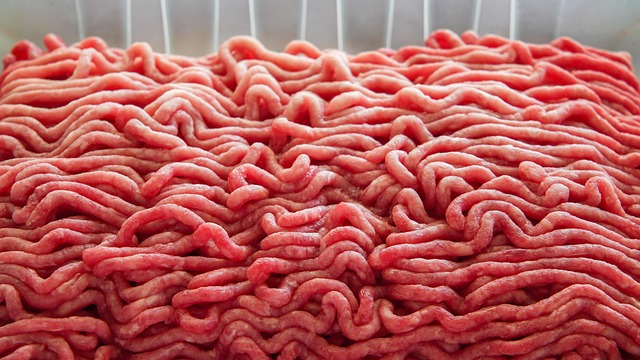
However, veterinary sources consistently describe ground beef as a food requiring caution. The AKC and PetMD note that ground beef often contains higher fat levels than other cuts and is frequently prepared with seasonings that may be unsuitable for dogs. VCA Hospitals also highlights concerns related to bacterial contamination, particularly when beef is raw or undercooked.
Across veterinary guidance, safety depends on preparation and ingredients rather than beef itself.
Why Ground Beef Can Be a Problem for Some Dogs
Fat content
Pet-nutrition sources explain that ground beef can be high in fat, which may contribute to gastrointestinal upset in some dogs.
Seasoning and additives
Veterinary articles frequently warn that ground beef prepared for human consumption may include salt, onion, garlic, or spices, which change the safety profile.
Bacterial contamination
VCA Hospitals discusses raw or undercooked meat as a potential source of bacteria such as Salmonella or E. coli, which may affect dogs and humans.
Signs Reported When Dogs React Poorly to Beef
Veterinary sources describe the following signs when dogs do not tolerate beef or high-fat meats well:
- Vomiting
- Diarrhoea
- Abdominal discomfort
- Lethargy
More serious signs may be associated with foodborne illness.
Ingredients or Additives to Watch For
Ground beef products may include ingredients that veterinary organisations flag as concerns:
- ❌ Onion or garlic, commonly added during cooking and classified as toxic
- ⚠️ High salt levels, often present in seasoned meat
- ⚠️ Added fats or oils, which may worsen digestive upset
Concerns focus on preparation rather than beef alone.
Puppies vs. Adult Dogs
Veterinary literature notes that puppies may be more vulnerable to digestive upset and bacterial exposure due to developing immune systems. Similar concerns apply to adult dogs, particularly with high-fat or raw meat products.
Other Common Beef Variants
Raw ground beef
VCA Hospitals discusses raw diets as carrying increased bacterial risk.
Processed beef
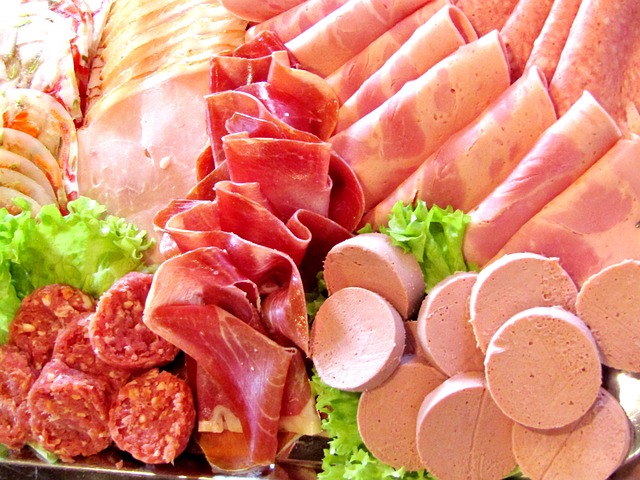
Veterinary sources classify processed meats as higher risk due to preservatives, salt, and additives.
Meat Products Mentioned in Veterinary Sources
Veterinary and pet-nutrition articles often reference these meats when discussing fat and preparation:
- Beef
- Chicken
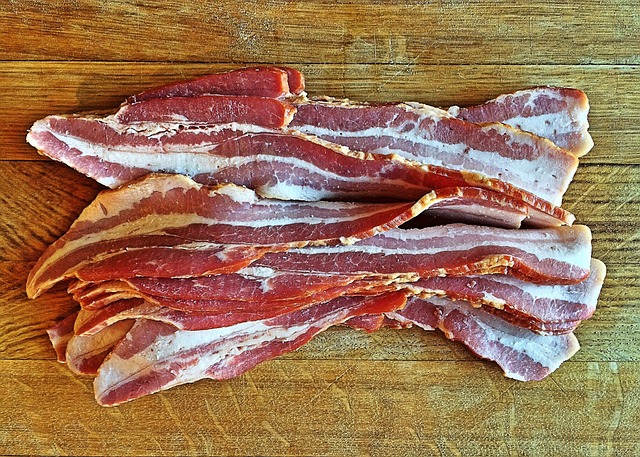
- Pork
Discussions focus on cooking, seasoning, and form rather than inherent toxicity.
Frequently Asked Questions (FAQ)
This FAQ summarises themes appearing in veterinary and pet-nutrition articles.
It is informational only and not a substitute for professional veterinary care.
Is ground beef toxic to dogs?
Veterinary organisations do not classify ground beef as toxic. Risks relate to fat, seasoning, and bacterial contamination.
Is ground beef different from other beef cuts?
Veterinary sources note that ground beef often contains more fat and is more prone to bacterial growth.
Why do veterinary sources mention raw meat?
VCA Hospitals highlights raw meat as a source of bacteria that may pose health risks.
Source Reference
This page compiles information from publicly accessible veterinary and pet-nutrition resources, including:
-
American Kennel Club (AKC) — “Can Dogs Eat Beef?”
https://www.akc.org/expert-advice/nutrition/can-dogs-eat-beef/ -
PetMD — “Can Dogs Eat Beef?”
https://www.petmd.com/dog/nutrition/can-dogs-eat-beef -
VCA Hospitals — “Raw Diets for Dogs”
https://vcahospitals.com/know-your-pet/raw-diets-for-dogs
This page is informational only and does not constitute veterinary or medical advice. Readers are encouraged to review the cited sources directly.