Is Herbal Tea Safe for Dogs?
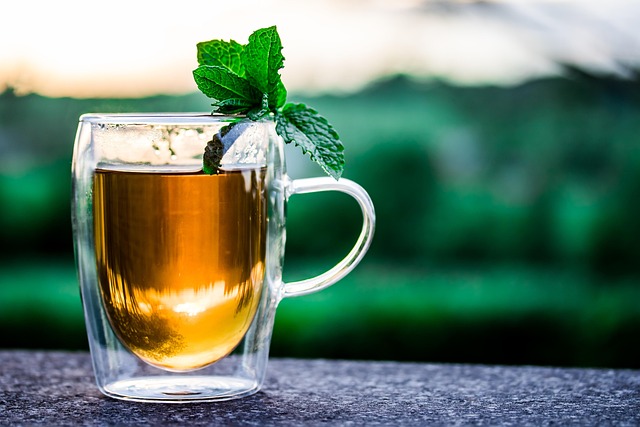
Veterinary and pet-safety organisations explain that herbal tea is not a single, uniform product. Unlike black or green tea, herbal teas are typically caffeine-free, which removes one major toxicity concern.
However, veterinary sources consistently classify herbal tea as a food requiring caution because it can be made from a wide range of plants. The ASPCA notes that many herbs and plant materials are toxic to dogs, while others are considered non-toxic.
As a result, safety depends entirely on the specific herbs used, not on the fact that the drink is labelled “herbal.”
Why Herbal Tea Can Be a Problem for Some Dogs
Ingredient variability
PetMD and the AKC emphasise that herbal teas may contain single herbs or complex blends, making safety difficult to generalise.
Toxic plant materials
The ASPCA lists numerous plants and herbs that are unsafe for dogs. If these are used in teas, the resulting drink is also unsafe.
Concentration
Veterinary sources note that brewed teas can contain concentrated plant compounds, which may increase the likelihood of adverse reactions.
Signs Reported When Dogs React Poorly to Herbal Teas
Veterinary sources describe the following signs when dogs ingest unsafe herbs or plant compounds:
- Vomiting
- Diarrhoea
- Drooling
- Lethargy
More serious signs depend on the specific plant involved and may include neurological or cardiac effects.
Ingredients or Additives to Watch For
Herbal teas may contain ingredients that veterinary organisations flag as unsafe:
- ❌ Chamomile (German chamomile), listed as toxic by the ASPCA
- ❌ Peppermint or mint concentrates, which may irritate digestion
- ❌ Licorice root, associated with blood pressure and electrolyte effects
- ⚠️ Essential oils or flavour extracts, which may be harmful even in small amounts
Concerns focus on plant type and concentration.
Puppies vs. Adult Dogs
Veterinary literature does not consistently distinguish between puppies and adult dogs for herbal tea exposure. Toxicity and sensitivity depend more on body size and the specific herb than on age alone.
Other Tea Types Discussed in Veterinary Sources
Black and green tea
Veterinary organisations classify these as unsafe due to caffeine content.
Fruit teas
Often discussed similarly to herbal teas, with emphasis on ingredients rather than the label.
Plant-Based Drinks Mentioned in Pet-Safety Literature
Veterinary and pet-safety sources commonly reference:
- Herbal infusions
- Plant extracts
- Botanical supplements
All are discussed with caution due to variability and potential toxicity.
Frequently Asked Questions (FAQ)
This FAQ summarises themes appearing in veterinary and pet-safety articles.
It is informational only and not a substitute for professional veterinary care.
Is herbal tea safer than regular tea?
Veterinary sources note that herbal tea lacks caffeine, but safety still depends on the herbs used.
Are all herbs safe for dogs?
The ASPCA clearly states that many herbs and plants are toxic to dogs.
Why is herbal tea treated cautiously?
Pet-safety guidance emphasises that herbal teas vary widely in composition, making general safety claims unreliable.
Source Reference
This page compiles information from publicly accessible veterinary and pet-safety resources, including:
-
American Kennel Club (AKC) — “Can Dogs Drink Tea?”
https://www.akc.org/expert-advice/nutrition/can-dogs-drink-tea/ -
PetMD — “Can Dogs Drink Tea?”
https://www.petmd.com/dog/nutrition/can-dogs-drink-tea -
ASPCA Animal Poison Control — “Toxic and Non-Toxic Plants”
https://www.aspca.org/pet-care/animal-poison-control/toxic-and-non-toxic-plants
This page is informational only and does not constitute veterinary or medical advice. Readers are encouraged to review the cited sources directly.