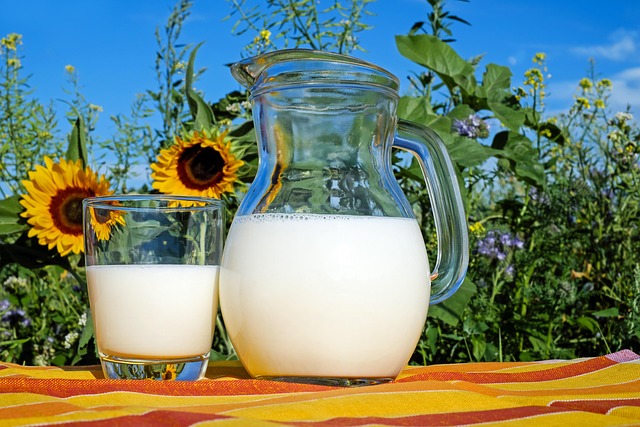
Is Milk Safe for Dogs?
According to the AKC, milk is not toxic to dogs, and small amounts may be tolerated by some individuals. However, many dogs have difficulty digesting lactose, which is the natural sugar found in milk.
Source: https://www.akc.org/expert-advice/nutrition/can-dogs-drink-milk/
The ASPCA lists dairy products among foods that may cause digestive upset in pets, especially when consumed in larger quantities or when containing added sugars or flavourings.
Source: https://www.aspca.org/pet-care/general-pet-care/people-foods-pets-should-never-eat
VCA Hospitals explains that lactose intolerance is common in dogs, and that ingestion of milk may lead to gastrointestinal symptoms in sensitive individuals.
Source: https://vcahospitals.com/know-your-pet/lactose-intolerance-in-dogs
Why Milk Can Be a Problem for Some Dogs
Main considerations
- Lactose intolerance: Dogs often lack sufficient lactase enzymes to break down lactose, leading to digestive upset.
- High fat content: Whole milk and cream contain fats that may contribute to diarrhoea or discomfort.
- Added sugars or flavours: Some milk products contain sweeteners or chocolate, which are unsafe for dogs.
Portion size and dog size
Smaller dogs may be more affected by fatty or sugary dairy products because a small amount represents a relatively larger proportion of their daily intake.
Preparation differences
Veterinary discussions distinguish between:
- Plain cow’s milk (not toxic but often poorly tolerated)
- Flavoured or sweetened milk (may contain unsafe additives)
- Cream or high-fat dairy products (more likely to cause digestive upset)
Signs Reported When Dogs React Poorly to Milk
- Diarrhoea
- Gas
- Bloating
More serious signs
- Vomiting
- Abdominal discomfort
These symptoms are commonly associated with lactose intolerance.
Ingredients or Additives to Watch For
- ❌ Chocolate milk (chocolate is toxic to dogs)
- ❌ Sugar-free flavourings (may contain xylitol, which is highly toxic)
- ⚠️ High-fat milk or cream (more likely to cause digestive upset)
Puppies vs. Adult Dogs
Puppies naturally produce more lactase enzymes while nursing, but this declines after weaning. Veterinary sources explain that adult dogs are more likely to be lactose intolerant, though individual tolerance varies.
Other Common Variants of Milk
Lactose-Free Milk
Considered easier to digest for dogs with lactose intolerance, but veterinary sources still caution against added sugars or flavourings.
Goat’s Milk
Sometimes discussed in pet nutrition, but veterinary organisations note that it still contains lactose and may cause digestive upset in sensitive dogs.
Dog-Friendly Alternatives Mentioned in Pet-Nutrition Sources
- Plain Greek yogurt (lower lactose)
- Carrot sticks
- Blueberries
- Commercial dog treats
Frequently Asked Questions (FAQ)
This FAQ summarises themes appearing in veterinary pet-care articles.
It is informational only and not a substitute for professional veterinary care.
Is milk toxic to dogs?
No, milk is not considered toxic, but many dogs cannot digest lactose well.
Why does milk cause stomach upset?
Veterinary organisations explain that lactose intolerance is common and can lead to gas, diarrhoea, and bloating.
Can dogs drink lactose-free milk?
Some dogs may tolerate it better, but veterinary sources still caution about added sugars and flavours.
Source Reference
This page compiles information from publicly accessible veterinary and pet-safety resources, including:
-
AKC — “Can Dogs Drink Milk?”
https://www.akc.org/expert-advice/nutrition/can-dogs-drink-milk/ -
ASPCA — “People Foods Pets Should Never Eat”
https://www.aspca.org/pet-care/general-pet-care/people-foods-pets-should-never-eat -
VCA Hospitals — “Lactose Intolerance in Dogs”
https://vcahospitals.com/know-your-pet/lactose-intolerance-in-dogs
This page is informational only and does not constitute veterinary or medical advice. Readers are encouraged to review these sources directly.