Is Minestrone Soup Safe for Dogs?
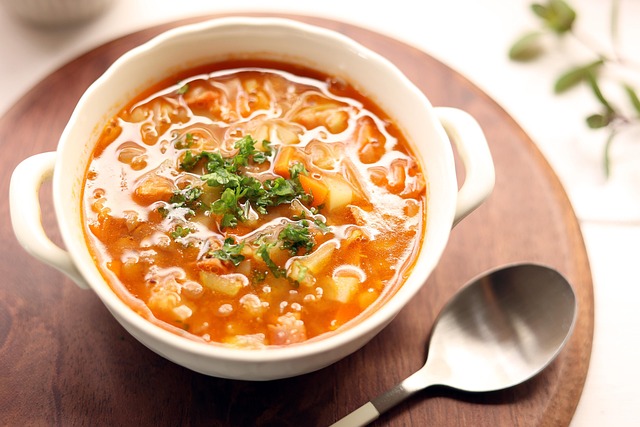
Veterinary toxicology authorities consistently classify minestrone soup as unsafe for dogs. Minestrone is a vegetable-based soup traditionally prepared with multiple ingredients and seasonings.
According to the ASPCA and Pet Poison Helpline, onions and garlic are toxic to dogs in all forms, including cooked, dried, or powdered. The AKC confirms that these ingredients remain dangerous even after cooking. Because onion and garlic are standard components of minestrone soup, the dish is treated as toxic overall.
Across veterinary references, minestrone soup is not considered safe for dogs.
Why Minestrone Soup Is Dangerous for Dogs
Onion and garlic content
Veterinary toxicology sources identify onions and garlic as members of the Allium family. These plants contain sulfur-based compounds that damage red blood cells and can lead to haemolytic anaemia in dogs.
Cooked and blended ingredients
Soups often contain cooked, finely chopped, or blended onions and garlic. Veterinary sources state that processing does not reduce toxicity.
Multiple added ingredients
Minestrone soup commonly includes salt, herbs, pasta, beans, and oils, which may further contribute to digestive upset.
Signs Reported in Minestrone Soup Toxicity
Veterinary organisations report the following signs associated with onion or garlic ingestion:
- Vomiting
- Diarrhoea
- Lethargy
- Weakness
More serious signs
- Pale gums
- Rapid heart rate
- Collapse
- Signs consistent with anaemia
Symptoms related to Allium toxicity may be delayed and can appear several days after ingestion.
Ingredients or Additives of Particular Concern
Minestrone soup commonly contains ingredients that veterinary organisations explicitly classify as unsafe:
- ❌ Onion or onion powder (toxic to dogs)
- ❌ Garlic or garlic powder (toxic to dogs)
- ⚠️ High salt levels, especially in canned soups
- ⚠️ Herbs and oils, which may worsen digestive upset
The presence of onion or garlic is the defining toxic factor.
Puppies vs. Adult Dogs
Veterinary toxicology sources state that onion and garlic toxicity affects dogs of all ages. Puppies may be more vulnerable due to smaller body size, but adult dogs are also at risk.
Other Soups and Stews Discussed in Veterinary Sources
Vegetable soups
Often classified as unsafe when onion or garlic is included.
Bean or pasta soups
Treated with caution because of added seasonings and Allium ingredients.
Broths and stocks
Veterinary sources note that these often contain onion or garlic extracts.
Allium-Containing Foods Classified as Toxic
Veterinary and pet-safety organisations consistently list the following as toxic to dogs:
- Onions
- Garlic
- Leeks
- Chives
- Shallots
Minestrone soup commonly contains one or more of these ingredients.
Frequently Asked Questions (FAQ)
This FAQ summarises themes appearing in veterinary toxicology and pet-safety resources.
It is informational only and not a substitute for professional veterinary care.
Is minestrone soup toxic because of vegetables?
Veterinary sources indicate that vegetables themselves are not the main issue. The risk comes from onion and garlic.
Does cooking make minestrone soup safe?
Veterinary organisations confirm that cooking does not remove onion or garlic toxicity.
Are homemade versions safer?
Veterinary guidance focuses on ingredients rather than preparation method. Onion- or garlic-containing soups are still classified as toxic.
Source Reference
This page compiles information from publicly accessible veterinary and pet-safety resources, including:
-
ASPCA Animal Poison Control — “Onion”
https://www.aspca.org/pet-care/animal-poison-control/toxic-and-non-toxic-plants/onion -
Pet Poison Helpline — “Onion Poisoning in Dogs”
https://www.petpoisonhelpline.com/poison/onion/ -
American Kennel Club (AKC) — “Can Dogs Eat Onions?”
https://www.akc.org/expert-advice/nutrition/can-dogs-eat-onions/
This page is informational only and does not constitute veterinary or medical advice. Readers are encouraged to review the cited sources directly.