Are Mushrooms Safe for Dogs?
Veterinary toxicology authorities explain that mushrooms are not a single food, but a broad group that includes both harmless and extremely toxic species.
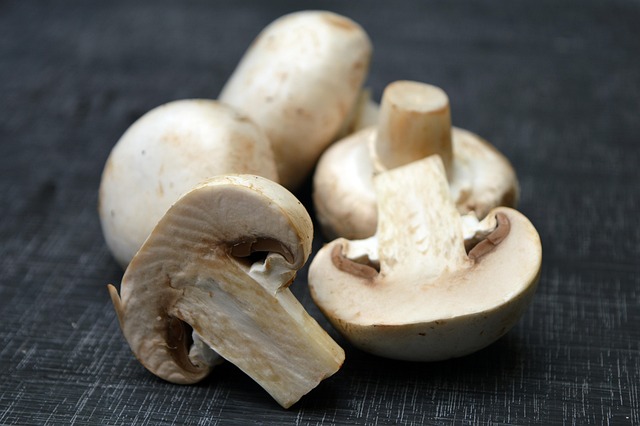
The ASPCA and Pet Poison Helpline state that while store-bought mushrooms are generally considered non-toxic, wild mushrooms can be deadly, and visual identification is unreliable for non-experts. The AKC echoes this concern, emphasising that dogs cannot safely distinguish between mushroom types.
Across veterinary guidance, mushrooms are treated as a high-risk food category due to the potential for severe poisoning.
Why Mushrooms Can Be Dangerous for Dogs
Toxic species
Veterinary toxicology sources identify several mushroom species that contain toxins capable of causing liver failure, kidney failure, neurological damage, or death in dogs.
Identification difficulty
Pet-safety organisations stress that toxic and non-toxic mushrooms often look similar, increasing the risk of accidental poisoning.
Rapid progression
Some mushroom toxins cause delayed but severe symptoms, which may worsen rapidly once they appear.
Signs Reported in Mushroom Toxicity
Veterinary organisations report the following signs associated with toxic mushroom ingestion:
- Vomiting
- Diarrhoea
- Lethargy
- Drooling
More serious signs
- Tremors
- Seizures
- Jaundice
- Collapse
- Signs of liver or kidney failure
The type and severity of symptoms depend on the mushroom species involved.
Ingredients or Additives of Particular Concern
Mushroom-related risks depend primarily on the mushroom itself:
- ❌ Wild mushrooms, which may be highly toxic
- ⚠️ Mixed dishes, where mushroom type is unclear
- ⚠️ Cooked mushrooms, which remain toxic if the species is poisonous
Cooking does not neutralise mushroom toxins.
Puppies vs. Adult Dogs
Veterinary toxicology sources state that mushroom poisoning affects dogs of all ages. Puppies may be more vulnerable due to smaller body size, but adult dogs are also at serious risk.
Types of Mushrooms Discussed in Veterinary Sources
Wild mushrooms
Consistently classified as high risk due to unpredictable toxicity.
Store-bought mushrooms
Generally described as non-toxic, but still discussed with caution due to confusion risk.
Toxic mushroom species
Veterinary sources identify species such as Amanita as especially dangerous.
Foods Commonly Confused With Mushrooms
Veterinary organisations note that dogs may encounter mushrooms in:
- Lawns and gardens
- Parks and wooded areas
- Compost or mulch
These environments increase exposure risk.
Frequently Asked Questions (FAQ)
This FAQ summarises themes appearing in veterinary toxicology and pet-safety resources.
It is informational only and not a substitute for professional veterinary care.
Are all mushrooms toxic to dogs?
Veterinary sources state that not all mushrooms are toxic, but many are, and identification is unreliable.
Does cooking make mushrooms safe?
Veterinary organisations confirm that cooking does not destroy mushroom toxins.
Why do veterinary sources advise caution even with edible mushrooms?
Because dogs cannot distinguish species, and accidental ingestion of toxic mushrooms can be fatal.
Source Reference
This page compiles information from publicly accessible veterinary and pet-safety resources, including:
-
ASPCA Animal Poison Control — “Mushrooms”
https://www.aspca.org/pet-care/animal-poison-control/toxic-and-non-toxic-plants/mushrooms -
Pet Poison Helpline — “Mushroom Poisoning in Dogs”
https://www.petpoisonhelpline.com/poison/mushrooms/ -
American Kennel Club (AKC) — “Can Dogs Eat Mushrooms?”
https://www.akc.org/expert-advice/nutrition/can-dogs-eat-mushrooms/
This page is informational only and does not constitute veterinary or medical advice. Readers are encouraged to review the cited sources directly.