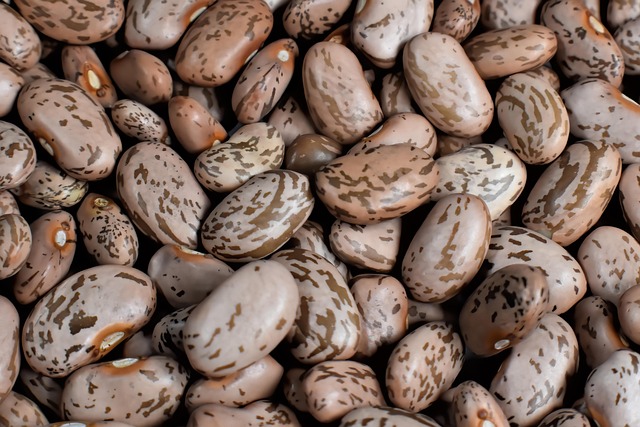
Are Pinto Beans Safe for Dogs?
According to veterinary and pet-nutrition sources including the American Kennel Club and PetMD, pinto beans are not considered toxic to dogs when they are properly prepared. These sources generally discuss beans as a category of legumes that can be tolerated when plain and cooked.
Veterinary literature distinguishes cooked beans from raw or undercooked beans, which are more frequently associated with digestive issues due to naturally occurring plant compounds.
Why Pinto Beans Can Be a Problem for Some Dogs
Raw or undercooked beans
Veterinary nutrition sources note that raw or undercooked beans contain naturally occurring lectins, which are commonly associated with gastrointestinal upset.
Digestive sensitivity
Pet-nutrition articles explain that legumes may cause gas or bloating in some dogs, particularly when introduced as a new food.
Added ingredients
Veterinary literature highlights that pinto beans are often consumed from canned or seasoned preparations, which introduce additional concerns unrelated to the beans themselves.
Signs Reported When Dogs React Poorly to Pinto Beans
Veterinary sources describe the following possible signs:
- Gas or bloating
- Diarrhoea
- Abdominal discomfort
These signs are typically discussed in relation to digestive sensitivity rather than toxicity.
Ingredients or Additives to Watch For
Veterinary sources distinguish plain cooked beans from processed bean products:
- ❌ Added salt (sodium) — commonly present in canned beans
- ❌ Onion or garlic — frequently included in seasoned bean dishes and classified as toxic to dogs
- ⚠️ Spices or sauces — may contribute to digestive irritation
Puppies vs. Adult Dogs
Veterinary nutrition sources generally note that puppies may be more sensitive to digestive upset from legumes due to developing digestive systems. The preparation-related concerns described for pinto beans apply to both puppies and adult dogs.
Other Common Variants of Pinto Beans
Canned pinto beans
Pet-nutrition articles highlight canned beans as a greater concern due to added salt and preservatives.
Refried pinto beans
Veterinary sources frequently identify refried beans as higher risk due to fats, salt, and seasoning.
Mixed bean dishes
Veterinary literature treats mixed bean dishes as more concerning because of added ingredients rather than the beans themselves.
Dog-Friendly Alternatives Mentioned in Pet-Nutrition Sources
Veterinary and pet-nutrition articles commonly reference the following legumes or foods as examples discussed in canine diets:
- Green beans
- Lentils
- Commercial dog foods containing legumes
Frequently Asked Questions (FAQ)
This FAQ summarises themes appearing in veterinary pet-nutrition articles.
It is informational only and not a substitute for professional veterinary care.
Are pinto beans toxic to dogs?
Veterinary sources do not list pinto beans as toxic. Concerns focus on preparation and added ingredients.
Why are raw beans mentioned as a concern?
Pet-nutrition literature explains that raw or undercooked beans contain compounds associated with digestive upset.
Are canned beans different from dried beans?
Veterinary sources distinguish canned beans due to added salt and preservatives rather than the beans themselves.
Source Reference
This page compiles information from publicly accessible veterinary and pet-nutrition resources, including:
-
American Kennel Club (AKC) — “Can Dogs Eat Beans?”
https://www.akc.org/expert-advice/nutrition/can-dogs-eat-beans/ -
PetMD — “Can Dogs Eat Beans?”
https://www.petmd.com/dog/nutrition/can-dogs-eat-beans
This page is informational only and does not constitute veterinary or medical advice. Readers are encouraged to review these sources directly.