Is Tomato Paste Safe for Dogs?
The answer depends almost entirely on what is in the paste — specifically, whether it is plain or seasoned.
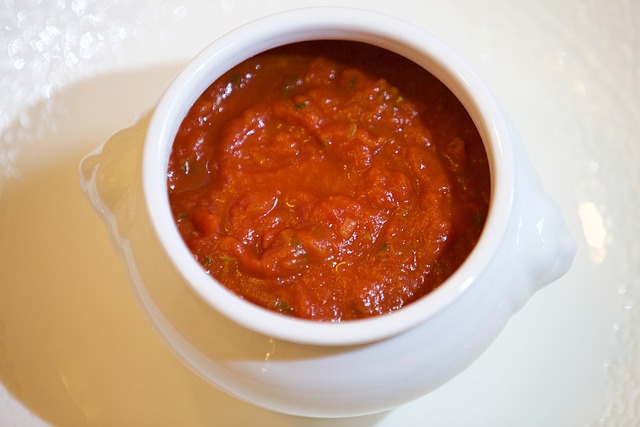
Plain tomato paste is not toxic to dogs. It is made from ripe tomatoes, and ripe tomato flesh is consistently classified as non-toxic by veterinary sources. The compounds that make tomato plants a concern — solanine and tomatine — are concentrated in the leaves, stems, and unripe (green) fruit. As tomatoes ripen, tomatine levels drop significantly (PetMD). Paste made from fully ripe tomatoes does not concentrate a meaningful dose of either compound.
Seasoned tomato paste — “Italian-style,” “garlic & herb,” or any flavoured variant — is a categorically different product. These frequently contain garlic powder, onion powder, or both. Garlic and onions are allium toxins that cause haematological damage in dogs: oxidative red blood cell destruction leading to haemolytic anaemia. This is a different and more serious hazard class than anything inherent to tomato, and garlic powder in particular is far more concentrated than fresh garlic. Check the label before anything else.
For the broader picture on tomatoes as a food, see the tomatoes page.
The Solanine/Tomatine Question — and Why It Doesn’t Apply to Paste
Tomato plants belong to the nightshade family, and this generates a lot of alarming content online. The accurate picture is more straightforward.
The toxic compounds — tomatine (the primary one) and solanine — are concentrated in the green parts of the plant: leaves, stems, and unripe fruit. All three sources used for this guide agree on this, and all three agree that ripe tomato flesh is non-toxic. The ASPCA lists ripe fruit as non-toxic when discussing the tomato plant. PetMD explains that tomatine “drops significantly” as the fruit ripens. The AKC confirms these toxins are “found mostly in the green parts of the tomato plant.”
Tomato paste is made from fully ripe red tomatoes. It does not concentrate a meaningful solanine or tomatine dose. The severe symptoms sometimes associated with tomatoes — weakness, dilated pupils, slow heart rate — are the profile of solanine poisoning from green plant parts consumed in quantity. They are not a realistic outcome from paste made from ripe tomatoes, and framing paste as a solanine hazard is a common overcaution that the sources do not support.
Plain Paste: What the Risk Actually Looks Like
A small amount of plain tomato paste is unlikely to cause any problem in a healthy dog. At larger quantities, or in dogs with sensitive digestion, the realistic outcomes are GI-side: mild vomiting, loose stools, or stomach discomfort. These are not emergencies and reflect the richness and concentration of the food, not toxicological harm.
Sodium: Plain commercial pastes contain roughly 20–40 mg of sodium per tablespoon — modest by any measure, and far lower than soy sauce, canned soup, or ketchup. A small amount of plain paste in a healthy dog is unlikely to register on the sodium front at all. It becomes more relevant for dogs already on a vet-prescribed low-sodium diet due to cardiac or kidney conditions. For context on what meaningfully high sodium intake actually looks like for dogs, see the salt page.
Seasoned Paste: A Different Hazard Category
Flavoured tomato pastes frequently list garlic powder, onion powder, or dried onion among their ingredients. These are not flavour quibbles — they are allium compounds that cause oxidative damage to red blood cells, with haemolytic anaemia as the serious endpoint. This hazard is unrelated to anything in the tomato itself.
If your dog has eaten a meaningful amount of seasoned paste containing garlic, garlic powder, or onions, the relevant information is on those pages. The key facts: onset of allium toxicosis is typically delayed by several days, so a dog that “seems fine” shortly after exposure is not necessarily out of the woods. Any significant allium exposure warrants a call to your vet.
The label is the whole question. If the ingredient list is tomatoes and possibly citric acid, plain paste concerns apply. If it lists any garlic, onion, or allium derivative, treat it as an allium exposure.
Symptoms
From plain paste in larger quantities — realistic:
- Mild vomiting or loose stools
- Stomach discomfort, gas
- Self-limiting; reflects GI sensitivity to a rich, concentrated food, not poisoning
From seasoned paste with alliums — delayed, haematological:
- Lethargy, weakness, pale or yellowish gums, reduced appetite
- Dark-coloured urine
- Onset typically 3–5 days after ingestion
- See the garlic or onions pages for full detail and action steps
Solanine/tomatine poisoning — for reference only, relevant to plant parts and green tomatoes, not paste:
- Hypersalivation, depression, weakness, dilated pupils, slow heart rate (ASPCA)
- If your dog has eaten tomato plant material — leaves, stems, or large amounts of unripe fruit — contact your vet
Frequently Asked Questions
This FAQ summarises general veterinary guidance. It’s informational only and not a substitute for advice from your own vet, who knows your dog.
My dog licked some plain tomato paste — is that a problem?
Very unlikely. A small amount of plain paste is not a toxicological event. Monitor for mild stomach upset over the next few hours; if it appears at all it would be temporary.
The paste has garlic or herbs in the ingredient list — what should I do?
Check how much your dog ate and what exactly is listed. If garlic powder or onion is in the ingredients and your dog consumed more than a trivial amount, contact your vet. Allium toxicosis has a delayed onset — symptoms may not appear for several days, and early intervention gives the best outcome.
Isn’t tomato paste high in salt?
Plain commercial paste is not particularly salty — roughly 20–40 mg of sodium per tablespoon. For comparison, a tablespoon of soy sauce contains around 900 mg. The sodium in a small amount of plain paste is not a meaningful concern for a healthy dog.
I’ve seen that tomatoes are toxic to dogs — is tomato paste dangerous?
The toxic compounds in the tomato plant (solanine and tomatine) are concentrated in the leaves, stems, and unripe fruit, not in ripe red tomatoes. Veterinary sources are consistent on this: ripe tomato flesh is non-toxic. Tomato paste is made from ripe tomatoes and does not concentrate a meaningful amount of these compounds. The reputation for danger follows the plant, not the fruit. See the tomatoes page for more detail.
About This Guide
This guide was researched and written by Claire Donnelly for Is It Safe For My Dog?. We are not veterinarians. Each guide is compiled from published, publicly accessible veterinary and toxicology sources — for this page, the American Kennel Club, PetMD, and the ASPCA — and cross-checked before publication. This is general information to help you understand the risk; it does not replace a consultation with your vet.
Sources for the figures on this page
- American Kennel Club — Can Dogs Eat Tomatoes? (solanine and tomatine found mostly in green parts; ripe tomatoes non-toxic; tomato sauce with garlic/onion flagged as a separate concern)
- PetMD — Can Dogs Eat Tomatoes? (tomatine concentrated in stems, leaves, unripe fruit; levels “drop significantly” as tomatoes ripen; ripe tomatoes safe; processed tomato foods with garlic/onion flagged as a concern)
- ASPCA — Tomato Plant (solanine listed as toxic principle; ripe fruit explicitly classified as non-toxic; symptoms of plant toxicosis: hypersalivation, GI upset, depression, weakness, dilated pupils, slow heart rate)
This page is informational only and does not constitute veterinary or medical advice.