Are Red Pepper Flakes Safe for Dogs?
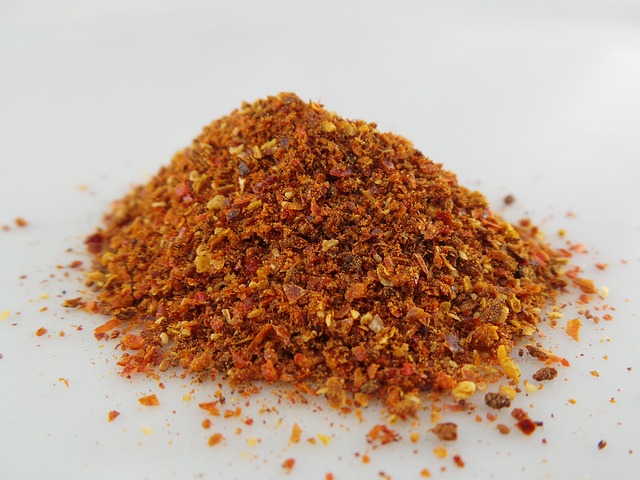
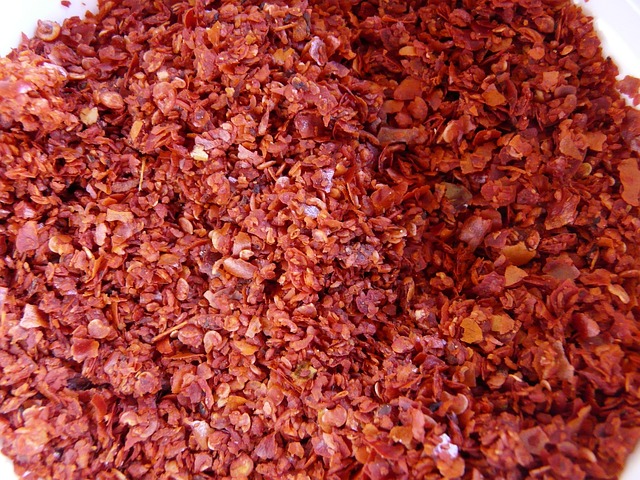
According to veterinary and pet-nutrition sources including the American Kennel Club and PetMD, red pepper flakes are not considered toxic to dogs. They do not contain compounds that cause poisoning in standard veterinary toxicology references.
However, veterinary literature consistently categorises spicy foods, including red pepper flakes, as a food of concern due to their irritating effects rather than chemical toxicity.
Why Red Pepper Flakes Can Be a Problem for Some Dogs
Capsaicin irritation
Veterinary sources identify capsaicin—the compound responsible for heat in chili peppers—as an irritant to a dog’s mouth, stomach, and intestines.
Gastrointestinal sensitivity
Pet-nutrition articles frequently note that spicy foods may trigger vomiting, diarrhoea, or abdominal discomfort in dogs.
Concentrated spice form
Veterinary literature highlights that red pepper flakes are a concentrated form of chili pepper, which increases the likelihood of irritation even in small amounts.
Signs Reported When Dogs React Poorly to Red Pepper Flakes
Veterinary and pet-nutrition sources describe the following possible signs:
- Drooling
- Pawing at the mouth
- Vomiting
- Diarrhoea
More serious signs
- Significant abdominal discomfort
- Persistent gastrointestinal irritation
Ingredients or Additives to Watch For
Veterinary sources distinguish plain chili peppers from spice blends:
- ❌ Capsaicin-rich chili flakes — primary source of irritation
- ❌ Spice blends — may contain garlic or onion powder, which are classified as toxic to dogs
- ⚠️ Seasoned foods containing red pepper flakes — often include salt, oils, or other irritants
Puppies vs. Adult Dogs
Veterinary nutrition sources note that puppies may be more sensitive to gastrointestinal irritation due to developing digestive systems. The irritant effects of capsaicin apply to dogs of all ages.
Other Common Variants of Red Pepper Products
Chili powder
Veterinary sources treat chili powder similarly, noting irritation risks and frequent inclusion of garlic or onion powder.
Fresh chili peppers
Pet-nutrition articles discuss fresh peppers as non-toxic but irritating due to capsaicin.
Hot sauces
Veterinary literature identifies hot sauces as higher risk due to vinegar, salt, and concentrated capsaicin.
Dog-Friendly Alternatives Mentioned in Pet-Nutrition Sources
Veterinary and pet-nutrition articles commonly reference the following flavor-neutral foods in canine diet discussions:
- Plain vegetables
- Unseasoned meats
- Commercial dog foods
Frequently Asked Questions (FAQ)
This FAQ summarises themes appearing in veterinary pet-nutrition literature.
It is informational only and not a substitute for professional veterinary care.
Are red pepper flakes toxic to dogs?
Veterinary sources do not classify red pepper flakes as toxic. Concerns focus on irritation rather than poisoning.
Why do spicy foods bother dogs?
Pet-nutrition literature explains that dogs are sensitive to capsaicin, which irritates the digestive tract.
Are red pepper flakes worse than fresh peppers?
Veterinary sources note that flakes are more concentrated, increasing the likelihood of irritation.
Source Reference
This page compiles information from publicly accessible veterinary and pet-nutrition resources, including:
-
American Kennel Club (AKC) — “Can Dogs Eat Spicy Food?”
https://www.akc.org/expert-advice/nutrition/can-dogs-eat-spicy-food/ -
PetMD — “Can Dogs Eat Chili Peppers?”
https://www.petmd.com/dog/nutrition/can-dogs-eat-chili-peppers
This page is informational only and does not constitute veterinary or medical advice. Readers are encouraged to review these sources directly.