Is Rosemary Safe for Dogs?
According to veterinary and pet-safety sources including the ASPCA, the American Kennel Club, and PetMD, rosemary is considered safe for dogs. It is listed by the ASPCA as a non-toxic plant for pets.
Veterinary literature generally treats rosemary as a benign culinary herb, with attention focused on quantity and form rather than toxicity.
Why Rosemary Is Generally Considered Safe
Non-toxic herb
Veterinary toxicology references do not identify rosemary as containing compounds that are poisonous to dogs.
Common culinary use
Pet-nutrition sources frequently mention rosemary as a herb that may appear in small amounts in foods without posing a toxic risk.
Recognised plant safety status
The ASPCA explicitly lists rosemary as non-toxic to dogs, cats, and horses.
Signs Reported When Dogs React Poorly to Rosemary
Veterinary sources indicate that adverse reactions are uncommon but may include:
- Mild stomach upset
- Vomiting
- Diarrhoea
These effects are typically associated with larger quantities rather than normal incidental exposure.
Ingredients or Additives to Watch For
Veterinary sources distinguish plain rosemary from concentrated or mixed products:
- ❌ Rosemary essential oil — highly concentrated and discussed separately from the plant
- ❌ Seasoned foods containing rosemary — may also include garlic or onion, which are toxic to dogs
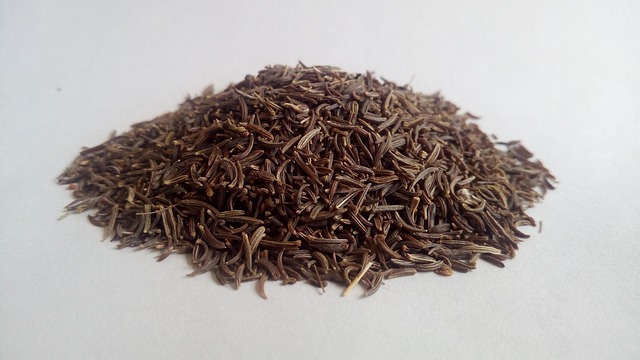
- ⚠️ Dried rosemary in large amounts — more concentrated than fresh leaves
Puppies vs. Adult Dogs
Veterinary nutrition sources do not identify rosemary as an age-specific hazard. Digestive sensitivity may vary, but rosemary itself is not listed as unsafe for puppies or adult dogs.
Other Common Variants of Rosemary
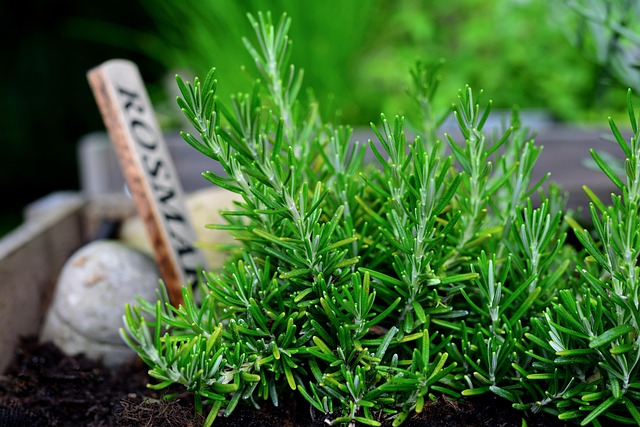
Fresh rosemary
Veterinary literature treats fresh rosemary as the standard reference point for plant safety.
Dried rosemary
Pet-nutrition sources note dried rosemary as more concentrated but not toxic.
Rosemary extract or oil
Veterinary sources discuss extracts and essential oils separately due to higher concentration levels.
Dog-Friendly Alternatives Mentioned in Pet-Safety Sources
Veterinary and pet-nutrition articles commonly reference the following herbs as examples discussed in canine diets:
- Basil
- Parsley
- Thyme
Frequently Asked Questions (FAQ)
This FAQ summarises themes appearing in veterinary pet-safety literature.
It is informational only and not a substitute for professional veterinary care.
Is rosemary toxic to dogs?
Veterinary sources do not classify rosemary as toxic. It is listed as non-toxic by the ASPCA.
Can rosemary cause stomach upset?
Pet-nutrition literature notes that large amounts may cause mild digestive irritation in some dogs.
Is rosemary oil the same as the herb?
Veterinary sources distinguish rosemary essential oil from the plant, noting that oils are more concentrated and discussed separately.
Source Reference
This page compiles information from publicly accessible veterinary and pet-safety resources, including:
-
ASPCA Animal Poison Control — “Rosemary (Toxic and Non-Toxic Plants)”
https://www.aspca.org/pet-care/animal-poison-control/toxic-and-non-toxic-plants/rosemary -
American Kennel Club (AKC) — “Can Dogs Eat Rosemary?”
https://www.akc.org/expert-advice/nutrition/can-dogs-eat-rosemary/ -
PetMD — “Can Dogs Eat Rosemary?”
https://www.petmd.com/dog/nutrition/can-dogs-eat-rosemary
This page is informational only and does not constitute veterinary or medical advice. Readers are encouraged to review these sources directly.