Is Parsley Safe for Dogs?
According to veterinary and pet-nutrition sources including the American Kennel Club and PetMD, parsley is not considered toxic to dogs when encountered in small culinary amounts. These sources do not list parsley among foods classified as poisonous.
However, veterinary literature generally treats parsley as a food of concern rather than a neutral dietary item. This classification reflects differences between parsley varieties and reports of adverse effects when larger quantities are consumed.
Why Parsley Can Be a Problem for Some Dogs
Variety-related differences
Veterinary sources distinguish between common culinary parsley and other varieties. Some references note that certain types contain naturally occurring compounds that may be associated with adverse reactions in dogs when consumed in higher amounts.
Digestive sensitivity
Pet-nutrition articles describe parsley as an herb that may cause gastrointestinal upset in some dogs, particularly when intake is more than incidental exposure.
Concentration effects
Veterinary literature highlights that dried herbs or concentrated preparations can differ significantly from small amounts of fresh leaves used as garnish.
Signs Reported When Dogs React Poorly to Parsley
Veterinary and pet-nutrition sources describe the following possible signs:
- Vomiting
- Diarrhoea
- Stomach discomfort
Less common but noted concerns
- Skin sensitivity or irritation linked to specific parsley compounds, as discussed in veterinary literature
Ingredients or Additives to Watch For
Veterinary sources distinguish plain parsley from foods and products that include additional ingredients:
- ❌ Herb blends containing garlic or onion powders, which are classified as toxic to dogs
- ⚠️ Dried or concentrated parsley products — higher compound concentration than fresh leaves
- ⚠️ Seasoned foods where parsley appears alongside salt and spices
Puppies vs. Adult Dogs
Veterinary nutrition sources generally note that puppies may be more sensitive to digestive irritation from herbs due to their developing digestive systems. The concerns described for parsley apply to both puppies and adult dogs.
Other Common Variants of Parsley
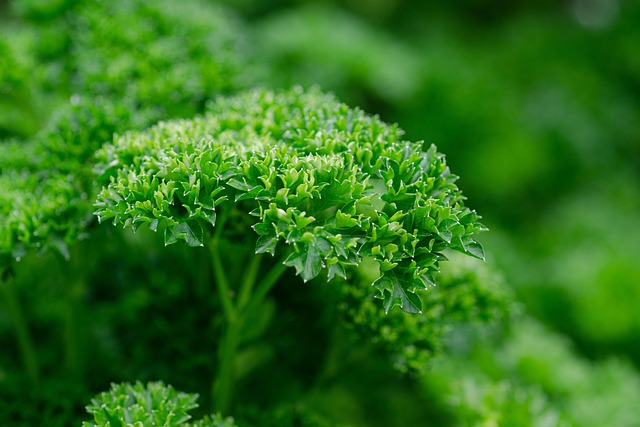
Curly parsley
Veterinary sources typically discuss curly parsley alongside flat-leaf parsley, noting similar considerations.
Flat-leaf (Italian) parsley
Pet-nutrition articles describe flat-leaf parsley similarly, with attention to quantity rather than toxicity.
Dried parsley
Veterinary literature highlights dried parsley as more concentrated by weight, which may increase the likelihood of digestive sensitivity.
Dog-Friendly Alternatives Mentioned in Pet-Nutrition Sources
Veterinary and pet-nutrition articles commonly reference the following foods as examples discussed in canine diets:
- Plain vegetables
- Mild herbs referenced in veterinary literature
- Commercial dog foods with regulated herb content
Frequently Asked Questions (FAQ)
This FAQ summarises themes appearing in veterinary pet-nutrition articles.
It is informational only and not a substitute for professional veterinary care.
Is parsley toxic to dogs?
Veterinary sources do not list parsley as toxic. Concerns focus on quantity, variety, and digestive effects rather than poisoning.
Why do some sources mention parsley as a concern?
Pet-nutrition literature notes that certain parsley varieties and larger amounts may be associated with adverse reactions.
Is dried parsley different from fresh parsley?
Veterinary sources explain that dried parsley is more concentrated than fresh parsley, which may increase digestive sensitivity.
Source Reference
This page compiles information from publicly accessible veterinary and pet-nutrition resources, including:
-
American Kennel Club (AKC) — “Can Dogs Eat Parsley?”
https://www.akc.org/expert-advice/nutrition/can-dogs-eat-parsley/ -
PetMD — “Can Dogs Eat Parsley?”
https://www.petmd.com/dog/nutrition/can-dogs-eat-parsley
This page is informational only and does not constitute veterinary or medical advice. Readers are encouraged to review these sources directly.