Are Walnuts Safe for Dogs?
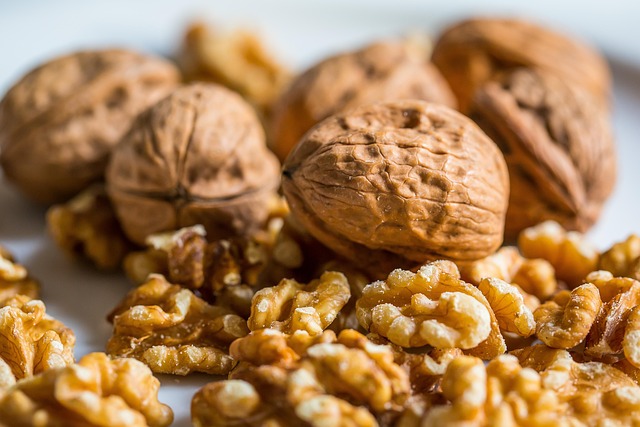
According to the AKC, walnuts are not recommended for dogs. Fresh English walnuts are not classified as highly toxic, but they may cause digestive upset and are not considered a good snack for dogs.
Source: https://www.akc.org/expert-advice/nutrition/can-dogs-eat-walnuts/
The ASPCA notes that walnut trees and plant material can appear on lists of plants associated with gastrointestinal upset in pets.
Source: https://www.aspca.org/pet-care/animal-poison-control/toxic-and-non-toxic-plants/walnut
Pet Poison Helpline and the Merck Veterinary Manual warn that moldy walnuts can contain tremorgenic mycotoxins, which may lead to neurological signs such as tremors or seizures if eaten.
Source: https://www.petpoisonhelpline.com/poison/mycotoxins/
Because walnuts are high in fat, veterinary organisations note that ingestion may contribute to digestive upset or, in some cases, pancreatitis.
Why Walnuts Can Be a Problem for Some Dogs
Main considerations
- High fat content: May contribute to vomiting, diarrhoea, or pancreatitis.
- Risk of mold: Moldy walnuts may contain tremorgenic mycotoxins, which are dangerous for dogs.
- Hard texture: May pose a choking risk or cause intestinal blockage.
Portion size and dog size
Small dogs are more likely to experience digestive upset or obstruction from large or hard nut pieces.
Preparation differences
Veterinary sources distinguish between:
- English walnuts — not highly toxic, but still not recommended.
- Black walnuts — classified as unsafe due to gastrointestinal and neurological concerns.
- Moldy walnuts — potentially dangerous due to mycotoxins.
Signs Reported When Dogs React Poorly to Walnuts
- Vomiting
- Diarrhoea
- Abdominal discomfort
More serious signs (linked to mycotoxins)
- Tremors
- Seizures
- Disorientation
These more serious signs are associated with moldy nuts, as documented in veterinary toxicology references.
Ingredients or Additives to Watch For
- ❌ Moldy nuts (risk of tremorgenic mycotoxins)
- ❌ Salted or seasoned walnuts (added salt and spices may be unsuitable)
- ⚠️ Walnut-containing baked goods (may contain chocolate, raisins, or xylitol)
Puppies vs. Adult Dogs
Walnuts are not recommended for dogs of any age, but puppies may be especially sensitive due to their smaller size and developing digestive systems. High-fat foods and choking hazards pose additional concerns for puppies.
Other Common Variants of Walnuts
Black Walnuts
Veterinary organisations classify black walnuts as unsafe due to reports of gastrointestinal upset and possible neurological issues.
Moldy Walnuts
Considered dangerous because they may contain tremorgenic mycotoxins, which veterinary toxicology sources link to tremors and seizures in dogs.
Dog-Friendly Alternatives Mentioned in Pet-Nutrition Sources
- Carrot sticks
- Blueberries
- Apple slices (seedless)
- Commercial dog treats
Frequently Asked Questions (FAQ)
This FAQ summarises themes appearing in veterinary pet-care articles.
It is informational only and not a substitute for professional veterinary care.
Are walnuts toxic to dogs?
Fresh English walnuts are not classified as highly toxic, but black walnuts and moldy walnuts are considered unsafe.
Why are moldy walnuts dangerous?
Veterinary toxicology sources explain that mold may contain tremorgenic mycotoxins, which can cause neurological signs.
Can dogs eat small pieces of walnuts?
Walnuts are not recommended due to the risk of digestive upset, high fat content, and potential mold exposure.
Source Reference
This page compiles information from publicly accessible veterinary and pet-safety resources, including:
-
AKC — “Can Dogs Eat Walnuts?”
https://www.akc.org/expert-advice/nutrition/can-dogs-eat-walnuts/ -
ASPCA — “Walnut (Toxic and Non-Toxic Plants)”
https://www.aspca.org/pet-care/animal-poison-control/toxic-and-non-toxic-plants/walnut -
Pet Poison Helpline — “Mycotoxin Poisoning”
https://www.petpoisonhelpline.com/poison/mycotoxins/ -
Merck Veterinary Manual — “Overview of Mycotoxicosis”
https://www.merckvetmanual.com/toxicology/mycotoxicosis/overview-of-mycotoxicosis
This page is informational only and does not constitute veterinary or medical advice. Readers are encouraged to review these sources directly.