Affiliate disclosure: This guide contains affiliate links. If you purchase via these links, we may earn a small commission at no extra cost to you. This never affects our safety assessments — see our Editorial Standards for how we work.
Recommendations on this page
- For preparedness: ARCA Pet First Aid Kit — a small investment for unexpected pet emergencies. View on Amazon →
- Further reading: The Forever Dog by Habib & Becker — a well-regarded reference on canine nutrition and longevity. View on Amazon →
Is White Chocolate Safe for Dogs?
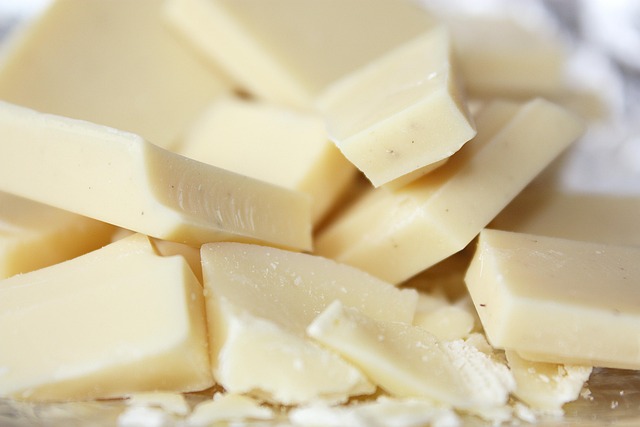
White chocolate is not toxic to dogs in the way dark or milk chocolate is — and unlike a lot of “it depends” answers, this one rests on a hard number: white chocolate contains almost no theobromine, the compound responsible for chocolate poisoning.
That’s why this page is a Caution, not a Toxic. The realistic concerns are fat, sugar, and additives — not the chocolate toxin itself. For the full theobromine picture across chocolate types, see chocolate; this page is about why white chocolate is the outlier.
The Theobromine Math — Why White Chocolate Is the Outlier
The Merck Veterinary Manual lists the methylxanthine (theobromine + caffeine) content of each chocolate type:
| Chocolate type | Theobromine content (approx.) |
|---|---|
| White chocolate | 0.04 mg/g (~1.1 mg/oz) — negligible |
| Milk chocolate | 2.3 mg/g (~64 mg/oz) |
| Dark chocolate | 5.3–5.6 mg/g (~150–160 mg/oz) |
| Baking chocolate | 15.5 mg/g (~440 mg/oz) |
| Cocoa powder | 28.5 mg/g (~807 mg/oz) |
Merck states it plainly: white chocolate is “a negligible source of methylxanthines.” The reason is simple — white chocolate is mostly cocoa butter, sugar, and milk solids, with essentially none of the cocoa solids that carry theobromine.
In dose terms: mild toxicity signs start around 20 mg/kg of theobromine. For a 10 kg (22 lb) dog that’s ~200 mg — which at 1.1 mg/oz would mean eating roughly 180 ounces (over 11 pounds) of white chocolate. The theobromine simply isn’t the concern here. Compare milk chocolate, where the same dog reaches that threshold from a few ounces.
The Real Concerns: Fat, Sugar, and What’s Mixed In
Caution is still the right status, for three reasons that have nothing to do with theobromine:
- Fat. White chocolate is rich and fatty. A large amount is a genuine pancreatitis trigger, particularly in small dogs and breeds prone to it. This is the main reason not to let a dog eat a lot of it.
- Sugar. Pure empty calories — GI upset in the short term, weight gain over time.
- Additives — the part that actually turns dangerous. White-chocolate products frequently include ingredients that are toxic: macadamia nuts (white-chocolate-macadamia is a classic combination), raisins, and — in some sugar-free products — xylitol. In these cases the white chocolate is the harmless part and the add-in is the hazard.
The practical rule: identify what the product actually is. Plain white chocolate → a fat-and-sugar issue. White chocolate with macadamias, raisins, or xylitol → treat it as that ingredient’s hazard, which is more serious.
Symptoms to Watch For
For plain white chocolate, expect at most digestive upset:
- Vomiting
- Diarrhoea
- Abdominal discomfort
- Lethargy after a rich, fatty treat
Watch for pancreatitis signs after a large or very fatty amount — repeated vomiting, a hunched or painful posture, marked lethargy, loss of appetite — which can develop over 24–72 hours. And if the product contained macadamia, raisins, or xylitol, the signs and urgency of those toxins apply instead (xylitol especially is fast and serious).
For preparedness
ARCA Pet First Aid Kit
Most plain-white-chocolate incidents in healthy dogs settle on their own — but for the less routine cases (a small dog into a fatty amount, or a product that turns out to contain macadamias or xylitol), having a first aid kit on hand is a small, sensible bit of preparedness while you get to your vet.
View on Amazon →What To Do
- Plain white chocolate, small amount, healthy dog: low concern. Monitor for GI upset; keep water available.
- A large or very fatty amount, or a small/at-risk dog: watch for pancreatitis over the next 1–3 days; call your vet if vomiting is repeated or the dog seems painful or unwell.
- Any product containing xylitol: call your vet or a poison line immediately — xylitol is urgent regardless of the chocolate.
- Any product containing macadamia nuts or raisins: call your vet — these are the real toxins in the treat.
- When unsure what was in it: keep the wrapper/ingredient list and call your vet or a poison line for advice.
Frequently Asked Questions
This FAQ summarises general veterinary toxicology guidance. It’s informational only and not a substitute for advice from your own vet, who knows your dog.
Why does the internet treat white chocolate as just as dangerous as dark chocolate?
Because most “chocolate is toxic to dogs” warnings talk about chocolate as one category and don’t distinguish the types — and erring toward caution for a genuine hazard is understandable. But the toxicology doesn’t support lumping white chocolate in with dark. White chocolate contains barely any theobromine (about 1.1 mg/oz versus 150–160 in dark), because it’s made from cocoa butter rather than cocoa solids. The accurate message isn’t “white chocolate is poison,” it’s “white chocolate is a fatty, sugary treat with negligible chocolate toxin — so the thing to check is whether the product also contains macadamia nuts, raisins, or xylitol, which are the real dangers.”
Is white chocolate toxic to dogs?
Not in the theobromine sense that makes dark chocolate dangerous — its theobromine content is negligible. It’s a Caution because of fat, sugar, and possible toxic add-ins, not because of chocolate poisoning.
My dog ate a piece of white chocolate — should I worry?
For a small piece of plain white chocolate and a healthy dog, no — monitor for mild stomach upset. Worry about quantity (fat/pancreatitis, especially small dogs) and about additives: check the label for macadamia, raisins, or xylitol.
Is white chocolate safe if it’s the only chocolate my dog got into?
“Safer,” not “safe.” It’s still an empty, fatty, sugary food a dog doesn’t need. If you want to give a chocolatey-style treat, dog-specific carob treats are the sensible route.
For Further Reading
For further reading
The Forever Dog by Rodney Habib and Karen Becker
A well-regarded reference covering canine nutrition, health, and longevity — for dog owners interested in a deeper look at the choices behind their dog's diet and everyday treats.
View on Amazon →About This Guide
This guide was researched and written by Claire Donnelly for Is It Safe For My Dog?. We are not veterinarians. Each guide is compiled from published, publicly accessible veterinary and toxicology sources — for this page, the Merck Veterinary Manual, VCA Hospitals, Cornell’s Riney Canine Health Center, and the ASPCA — and cross-checked before publication. This is general information; it does not replace a consultation with your vet.
Sources for the figures on this page
- Merck Veterinary Manual — Chocolate Toxicosis in Animals (methylxanthine content by chocolate type — white chocolate 0.04 mg/g / ~1.1 mg/oz, “a negligible source of methylxanthines,” vs. milk 2.3 mg/g and dark 5.3–5.6 mg/g; theobromine thresholds — mild 20 mg/kg, cardiotoxic 40–50 mg/kg, seizures ≥60 mg/kg)
- VCA Hospitals — Chocolate Poisoning in Dogs (theobromine and caffeine as the toxic methylxanthines; severity by type and dose; clinical signs)
- Cornell Riney Canine Health Center — Chocolate Toxicity (severity depends on chocolate type, amount, and dog size; darker chocolate the greater risk)
- ASPCA Animal Poison Control — People Foods to Avoid Feeding Your Pets (chocolate listed among foods to avoid; fatty foods associated with GI upset and pancreatitis)
This page is informational only and does not constitute veterinary or medical advice.