Affiliate disclosure: This guide contains affiliate links. If you purchase via these links, we may earn a small commission at no extra cost to you. This never affects our safety assessments — see our Editorial Standards for how we work.
Recommendations on this page
- For preparedness: ARCA Pet First Aid Kit — a small investment for unexpected pet emergencies. View on Amazon →
- Further reading: The Forever Dog by Habib & Becker — a well-regarded reference on canine nutrition and longevity. View on Amazon →
Are Apples Safe for Dogs?
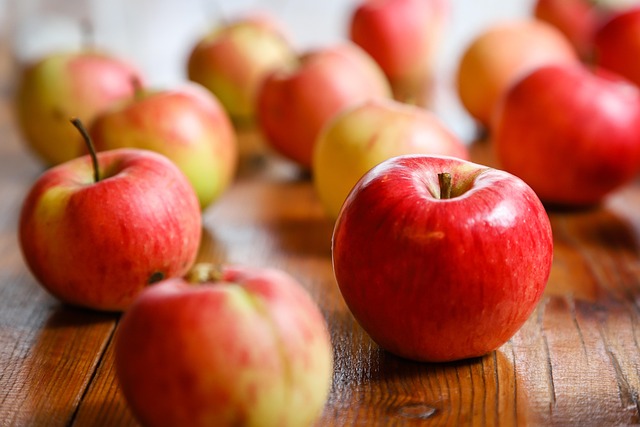
Yes — and unlike a lot of “yes, but…” foods, apples are genuinely good for dogs. They’re a low-calorie, high-fibre treat with vitamins A and C, and both the flesh and the skin are fine. The American Kennel Club actively recommends them as a healthy snack.
There are really only two things to get right, and neither is a reason for alarm:
- Remove the core before you give one over — the tough, woody core is a choking hazard (this is the real reason to core an apple, more than the seeds).
- Keep portions sensible — a slice or two — because apples do carry real sugar.
We’ve marked this page Safe (you’ll see apples listed with cautions all over the internet, largely because of the seeds — and we previously erred that way too). On the actual numbers, a cored apple is a safe, healthy treat: the seed “cyanide” worry doesn’t survive contact with the dose math, and the core is a preparation step, not a property of the fruit. Here’s the honest calibration.
Apple Seeds and Cyanide: Why It’s a Non-Issue in Practice
The scary version is technically true and practically almost meaningless. Apple seeds contain amygdalin, which can release cyanide — but for a dog, the realistic risk is essentially nil, for three independent reasons:
- The seeds have to be crushed to release any cyanide. The Merck Veterinary Manual is explicit that “crushing and mastication” are what release cyanogenic compounds from plant cells. Apple seeds swallowed whole pass straight through and release next to nothing — and dogs, gulping rather than grinding, swallow most seeds whole.
- The amount per seed is tiny — roughly 0.01 mg of cyanide per crushed seed.
- The toxic dose is enormous. Merck puts the acute lethal cyanide dose at about 2 mg/kg. For a 10 kg (22 lb) dog that’s ~20 mg — around 2,000 thoroughly-crushed seeds; for a 5 kg dog, ~1,000. An apple holds 5–10 seeds, so that’s the crushed seeds of roughly 100–200 apples. It simply doesn’t happen by accident.
So a dog that snatched a tossed apple core with a handful of seeds is not in danger. Coring apples is still sensible practice — it removes the seeds and the choking hazard in one move — but do it as tidy habit, not out of fear. (This is genuinely different from grapes, which are toxic to dogs at realistic amounts — don’t lump the two together just because both are fruit.)
The Core Itself: the Real Hazard to Take Seriously
Set the cyanide myth aside and there’s still one apple part that deserves respect — but it’s a mechanical hazard, not a chemical one. The tough, woody core and the stem can be a choking or gastrointestinal-obstruction risk, especially for small dogs or enthusiastic gulpers who swallow chunks without chewing.
This is the actual reason to core an apple before sharing it:
- Cut the apple into slices or bite-sized pieces, and cut out the core and stem.
- Size the pieces to your dog — smaller for small dogs.
- Supervise, as you would with any chew.
A dog that swallowed a core won’t be poisoned, but it’s worth watching for signs of obstruction (below) — this is the one apple scenario that can genuinely need a vet.
For preparedness
ARCA Pet First Aid Kit
Apples are about as low-risk as dog treats get — but the one real hazard (a swallowed core in a small dog) is the kind of thing worth being ready for. A first aid kit is a small, sensible bit of preparedness for the gap between spotting a problem and reaching your vet.
View on Amazon →Why Apple Flesh Is Actually Good for Dogs
This isn’t a “harmless but pointless” treat — apple has real merits. Per the AKC, apples are:
- High in fibre — especially in the skin — which supports digestion and helps with healthy weight.
- A good source of vitamins A and C, plus potassium and antioxidants.
- Low in calories, which makes apple slices a genuinely useful treat for weight-conscious or food-motivated dogs.
The skin is fine — in fact it holds most of the fibre — so there’s no need to peel; just wash it. A few apple slices make an excellent low-guilt reward.
Sugar and Portion
The one nutritional caveat is sugar: a whole apple has roughly 19 g of sugar, so apples are a treat, not a staple. A slice or two is plenty; too much can cause a bellyache or loose stools, and the sugar matters more for diabetic or overweight dogs, where it’s worth checking with your vet. See the sugar page for the broader picture. (The same “great in moderation, mind the sugar” logic applies to pears and most fruit.)
Apple Products — What Changes
- Applesauce: plain, unsweetened applesauce is fine in moderation and much like apple flesh. Many commercial versions add sugar, so choose unsweetened.
- Dried apple / apple chips: fine in small amounts, but drying concentrates the sugar, so treat them as a more sugary version.
- Sugar-free / “no sugar added” apple products and xylitol: a quick label check is worth it on any sugar-free food — but unlike some sugar-free syrups (where xylitol genuinely shows up, see maple syrup), mainstream “no sugar added” applesauce is simply unsweetened apple with no added sweetener. Xylitol isn’t a typical apple-product ingredient; read the label on anything sugar-free, but this is a low concern here.
- Cinnamon: cinnamon applesauce and apple-pie spice are fine — cinnamon is non-toxic to dogs in the small amounts involved. Apple pie filling, though, is mostly sugar (and sometimes other spices), so that’s a sugar question, not a health treat.
Symptoms to Watch For
Apple is not a poisoning risk, so there’s not much to watch for — but two mild scenarios:
From too much apple (the sugar/fibre):
- Loose stools or diarrhoea, gas, mild stomach upset
From a swallowed core (the one to actually watch — possible obstruction, especially in small dogs):
- Gagging, retching, or drooling right after
- Repeated vomiting, or bringing food back up
- Loss of appetite, lethargy, or straining/failing to pass stool over the following day or two
What To Do
- A cored apple slice or two, healthy dog: enjoy — this is a good treat, no action needed.
- Ate a lot of apple: monitor for a bellyache or loose stools; keep water available. Cut back the portion next time.
- Ate the core or stem: don’t worry about poisoning, but watch for the obstruction signs above — especially in a small dog — and call your vet if any appear or your dog seems unwell.
- Ate the seeds: a few seeds are not a cyanide concern; there’s nothing to do. (It would take the crushed seeds of many apples to matter.)
- Ate a sugar-free apple product: check the label for xylitol; if it’s listed (uncommon in apple products) and a meaningful amount was eaten, call your vet.
Frequently Asked Questions
This FAQ summarises general veterinary and nutrition guidance. It’s informational only and not a substitute for advice from your own vet, who knows your dog.
Are apple seeds poisonous to dogs?
In theory yes, in practice no. Apple seeds contain amygdalin, which can release cyanide — but the seeds must be crushed to release any (swallowed whole, they pass straight through), the amount is tiny (~0.01 mg per seed), and the toxic dose is huge: a dog would need to chew up the seeds of roughly a hundred or more apples to be at risk. A few seeds from a tossed core won’t hurt your dog. It’s still sensible to core apples — mostly because of the choking hazard of the core — but incidental seeds are not an emergency.
Can dogs eat apple skin?
Yes. The skin is fine and actually one of the healthiest parts — most of the fibre is in the peel. Just wash it before serving.
Can dogs eat applesauce?
Plain, unsweetened applesauce, yes, in moderation. Choose unsweetened — sweetened applesauce adds sugar — and give a quick glance at the label of any “sugar-free” version for xylitol (uncommon in applesauce, but worth the check).
How much apple can a dog have?
A slice or two is plenty. A whole apple has about 19 g of sugar, so keep it an occasional treat rather than a daily habit — and be more careful with diabetic or overweight dogs. Too much apple mostly causes a bellyache, not anything dangerous.
My dog ate a whole apple, core and all — should I worry?
Not about poisoning — the flesh and seeds aren’t a toxic concern. The thing to watch is whether the core caused a problem: gagging, retching, repeated vomiting, or trouble passing stool, especially in a small dog. If any of that shows up, call your vet. Otherwise a bit of loose stool from the sugar is the likely worst of it.
About This Guide
This guide was researched and written by Claire Donnelly for Is It Safe For My Dog?. We are not veterinarians. Each guide is compiled from published, publicly accessible veterinary and toxicology sources — for this page, the American Kennel Club, PetMD, the Merck Veterinary Manual, and the ASPCA — and cross-checked before publication. This is general information; it does not replace a consultation with your vet.
Sources for the figures on this page
- American Kennel Club — Can Dogs Eat Apples? (apples a low-calorie, high-fibre source of vitamins A and C and antioxidants; skin/peel fibre benefit; remove the core and seeds — seeds contain a small amount of cyanide that can harm “in large doses,” and the tough core/stem can choke a dog; a slice or two is enough; ~19 g sugar per apple; plain unsweetened applesauce fine)
- PetMD — Can Dogs Eat Apples? (apple flesh and skin safe and nutritious in moderation; remove seeds and core; sugar/portion moderation)
- Merck Veterinary Manual — Cyanide Poisoning in Animals (acute lethal oral cyanide dose ~2 mg/kg; crushing and mastication required to release cyanogenic glycosides from plant cells — the basis for why intact, swallowed seeds pose minimal risk; applied here to apple seeds, which Merck does not name individually)
- ASPCA Animal Poison Control — People Foods to Avoid Feeding Your Pets (xylitol classified as toxic; sugary human foods cautioned; applied here to the sugar-free-product label check)
- Per-seed and sugar figures — ~0.01 mg cyanide per crushed apple seed and ~19 g sugar per medium apple, from published food-composition data, not veterinary sources; used to convert the cyanide dose into a realistic seed count
This page is informational only and does not constitute veterinary or medical advice.