Affiliate disclosure: This guide contains affiliate links. If you purchase via these links, we may earn a small commission at no extra cost to you. This never affects our safety assessments — see our Editorial Standards for how we work.
Recommendations on this page
- For preparedness: ARCA Pet First Aid Kit — a small investment for unexpected pet emergencies. View on Amazon →
- Further reading: The Forever Dog by Habib & Becker — a well-regarded reference on canine nutrition and longevity. View on Amazon →
Is Maple Syrup Safe for Dogs?
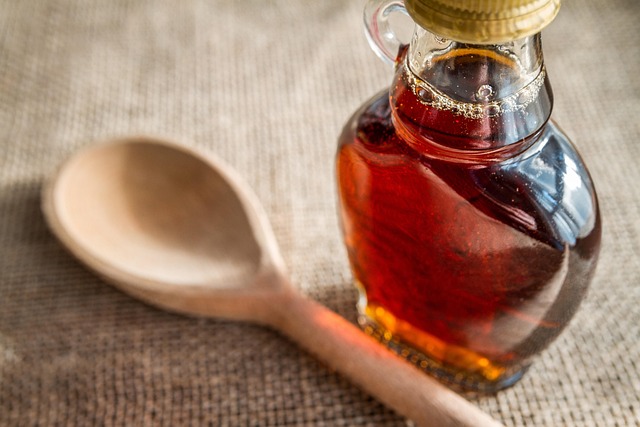
Here’s the one thing to act on before anything else: if the syrup is sugar-free, “lite”, or keto, check the label for xylitol first. Xylitol is dangerously toxic to dogs, and — unlike most sugar-free foods — it genuinely appears in this product category. Regular syrup is a far milder story: pure maple syrup isn’t toxic to dogs, and neither is ordinary pancake syrup — both are essentially concentrated sugar, so the concern there is calories, not poisoning.
So maple syrup splits cleanly into two questions:
- Regular syrup (pure maple or pancake) → a sugar question. Mild; a lick is harmless.
- Sugar-free / keto syrup → a potential xylitol emergency. This is the one that can genuinely hurt a dog.
This page leads with the emergency, because it’s the part that matters most.
First and Most Important: Sugar-Free & “Keto” Syrup and Xylitol
Xylitol is seriously toxic to dogs, and sugar-free syrup is one of the few everyday categories where it genuinely turns up. It causes a rapid, dangerous drop in blood sugar — the Merck Veterinary Manual puts hypoglycemia at doses over ~100 mg/kg, with signs possible within 30 minutes — and at higher doses (over ~500 mg/kg) it can cause liver failure. Even small amounts can be dangerous. Merck specifically names “sugar-free syrups” among the products that frequently contain it.
Here’s the part that makes this different from most sugar-free foods (where mainstream products have largely dropped xylitol):
- Xylitol IS used in some syrups. As of July 2026, Nature’s Hollow Sugar-Free Maple-Flavored Syrup is sweetened with xylitol — a widely-sold “better-for-you”/keto product. Other low-carb and keto syrups commonly use xylitol, erythritol, or monk fruit.
- The big mass-market sugar-free brands do not. As of July 2026, Mrs. Butterworth’s Sugar Free and Log Cabin Sugar Free are sweetened with sorbitol (plus aspartame and acesulfame-K) — not xylitol.
- Formulations change and brands vary — so read the actual label every time. Look for “xylitol” or its other name, “birch sugar.”
If your dog ate a sugar-free syrup that contains xylitol — or you can’t confirm it doesn’t — treat it as an emergency: call your vet or an animal poison line immediately, and don’t wait for symptoms. The peanut butter page covers how xylitol works in more depth (it’s the same hazard, in a different product), and the xylitol page has the full picture.
Pure Maple Syrup: a Sugar Question
Set the sugar-free issue aside and plain maple syrup is genuinely low-drama: it’s not toxic — it’s concentrated sugar (roughly two-thirds sugar by weight), much like honey. The concern is the sugar itself:
- Empty calories — no meaningful benefit for a dog, and easy to overdo.
- Dental health and weight with repeated feeding.
- A real concern for diabetic or overweight dogs, where a sugar hit actually matters.
A one-off lick off a plate is harmless for a healthy dog. The issue is habit and quantity, not a single taste. See the sugar and honey pages for the broader sweet-foods picture.
Pure Maple vs. “Pancake Syrup” — Both Just Sugar
Worth knowing, even if it doesn’t change much for your dog: most of the “syrup” in people’s pantries isn’t real maple at all. Mrs. Butterworth’s, Log Cabin, Pearl Milling Company (formerly Aunt Jemima), and most store brands are corn syrup or high-fructose corn syrup with maple flavouring and caramel colour — not tree sap.
For a dog, this distinction doesn’t change the toxicity picture: pure maple and pancake syrup are both sugar concentrates, and pancake syrup (being HFCS) is if anything more sugar. The pure-vs-imitation difference matters for your palate and your wallet, not your dog’s safety — with the single exception of the sugar-free versions, where the sweetener is the whole question. (For the pancakes themselves, see pancake mix.)
Symptoms to Watch For
The two scenarios look completely different — and it’s important not to confuse them:
From sugar (regular maple or pancake syrup) — mild and self-limiting:
- Loose stools or diarrhoea
- Vomiting, gas
- Increased thirst
From xylitol (a sugar-free syrup that contained it) — an EMERGENCY, often within 30 minutes to a few hours:
- Vomiting
- Sudden weakness, lethargy, or wobbliness/incoordination
- Collapse, tremors, or seizures (signs of the blood-sugar crash)
- Later, signs of liver injury
If you see the second group — or you know a xylitol product was eaten — do not wait. This is a call-your-vet-now situation.
For preparedness
ARCA Pet First Aid Kit
A lick of regular syrup rarely amounts to anything — but xylitol ingestion is a genuine, time-sensitive emergency, and being ready matters. A first aid kit is a small, sensible bit of preparedness for the gap between spotting a problem and reaching your vet.
View on Amazon →What To Do
- A lick of pure maple or ordinary pancake syrup, healthy dog: low concern. Watch for loose stools; keep water available; don’t make it a habit.
- A large amount, or regular syrup feeding: cut it out — the sugar adds up. Be extra careful with diabetic or overweight dogs, for whom a sugar hit genuinely matters.
- Any sugar-free, “lite”, or keto syrup: check the label. If it lists xylitol (or “birch sugar”), or you can’t confirm it doesn’t, call your vet or an animal poison line immediately and treat it as an emergency — don’t wait for symptoms.
Frequently Asked Questions
This FAQ summarises general veterinary and nutrition guidance. It’s informational only and not a substitute for advice from your own vet, who knows your dog.
Is sugar-free syrup safe for dogs?
Not without checking — this is the one to be careful about. Sugar-free and keto syrups are one of the few everyday categories where xylitol genuinely shows up: as of July 2026, Nature’s Hollow sugar-free maple syrup is sweetened with xylitol, while the big mass-market sugar-free brands (Mrs. Butterworth’s, Log Cabin) use sorbitol instead. Xylitol is dangerously toxic to dogs — rapid hypoglycemia and possible liver failure — so read the label of any sugar-free syrup, and if it contains xylitol (or you’re unsure), keep it away from your dog and call your vet immediately if any was eaten. Formulations change, so check your actual bottle rather than trusting a brand from memory.
Is pure maple syrup toxic to dogs?
No. Pure maple syrup isn’t toxic — it’s concentrated sugar. A lick is harmless for a healthy dog; the concern is calories, dental health, and diabetic or overweight dogs, not poisoning. Keep it occasional rather than a habit.
Is pancake syrup the same as maple syrup for dogs?
Toxicity-wise, effectively yes — both are just sugar. Most “pancake” or “table” syrup isn’t real maple at all (it’s corn syrup with maple flavour), but for a dog it’s the same sugar question. The one exception is sugar-free pancake syrup, where the sweetener — sorbitol versus xylitol — is exactly what you need to check.
My dog licked maple syrup off a plate — should I worry?
If it was regular syrup (pure maple or ordinary pancake), no — a small amount is a minor sugar treat; just watch for a bit of loose stool. If it was a sugar-free, “lite”, or keto syrup, check the label for xylitol, and if it’s present or you’re unsure, call your vet right away.
For Further Reading
For further reading
The Forever Dog by Rodney Habib and Karen Becker
A well-regarded reference covering canine nutrition, health, and longevity — for dog owners interested in a deeper look at the choices behind their dog's diet and everyday treats.
View on Amazon →About This Guide
This guide was researched and written by Claire Donnelly for Is It Safe For My Dog?. We are not veterinarians. Each guide is compiled from published, publicly accessible veterinary and toxicology sources — for this page, the American Kennel Club, PetMD, the Merck Veterinary Manual, and the ASPCA — and cross-checked before publication. Because neither the AKC nor PetMD publishes a maple-syrup-specific article, we apply their general human-foods and honey (concentrated-sugar-syrup) guidance to maple syrup and say so openly. This is general information; it does not replace a consultation with your vet, and any suspected xylitol ingestion warrants immediate veterinary advice.
Sources for the figures on this page
- Merck Veterinary Manual — Xylitol Toxicosis in Dogs (hypoglycemia at xylitol doses over ~100 mg/kg, with signs possible within 30 minutes; hepatic failure at doses over ~500 mg/kg; names “sugar-free syrups” among products that frequently contain xylitol)
- American Kennel Club — People Foods Dogs Can and Can’t Eat (sugary foods provide empty calories and are not recommended; xylitol flagged as toxic; applied here as the sugar and xylitol framework, no AKC maple-syrup page existing)
- PetMD — Can Dogs Eat Honey? (a concentrated natural sugar syrup treated as a high-sugar occasional item — calories, dental, and diabetic concerns; applied here as the closest live analog to maple syrup, no PetMD maple-syrup page existing)
- ASPCA Animal Poison Control — People Foods to Avoid Feeding Your Pets (xylitol classified as toxic; sugary human foods cautioned)
- Product and composition facts — maple syrup is roughly two-thirds sugar by weight; sugar-free syrup sweeteners current as of July 2026 (Nature’s Hollow sugar-free maple syrup: xylitol; Mrs. Butterworth’s and Log Cabin sugar free: sorbitol, aspartame, acesulfame-K); “pancake”/“table” syrups are predominantly corn syrup / high-fructose corn syrup with maple flavouring; from published product labels and food-composition data, not veterinary sources, and subject to reformulation — always check the current label
This page is informational only and does not constitute veterinary or medical advice.