 Caution
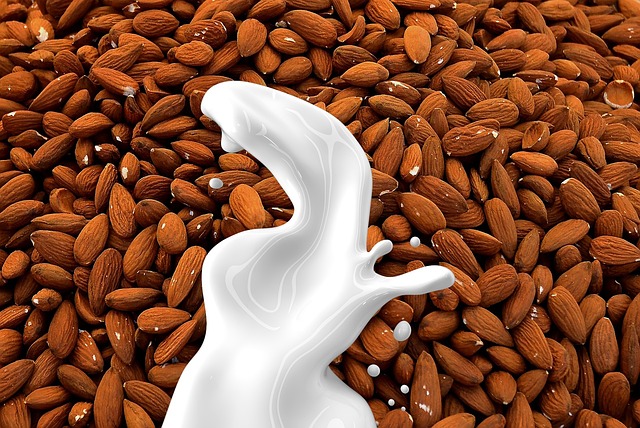
 Almond Milk
Veterinary organisations note that almond milk is not toxic to dogs, but it provides little nutritional value and may contain additives that can cause digestive upset.
Read full guide →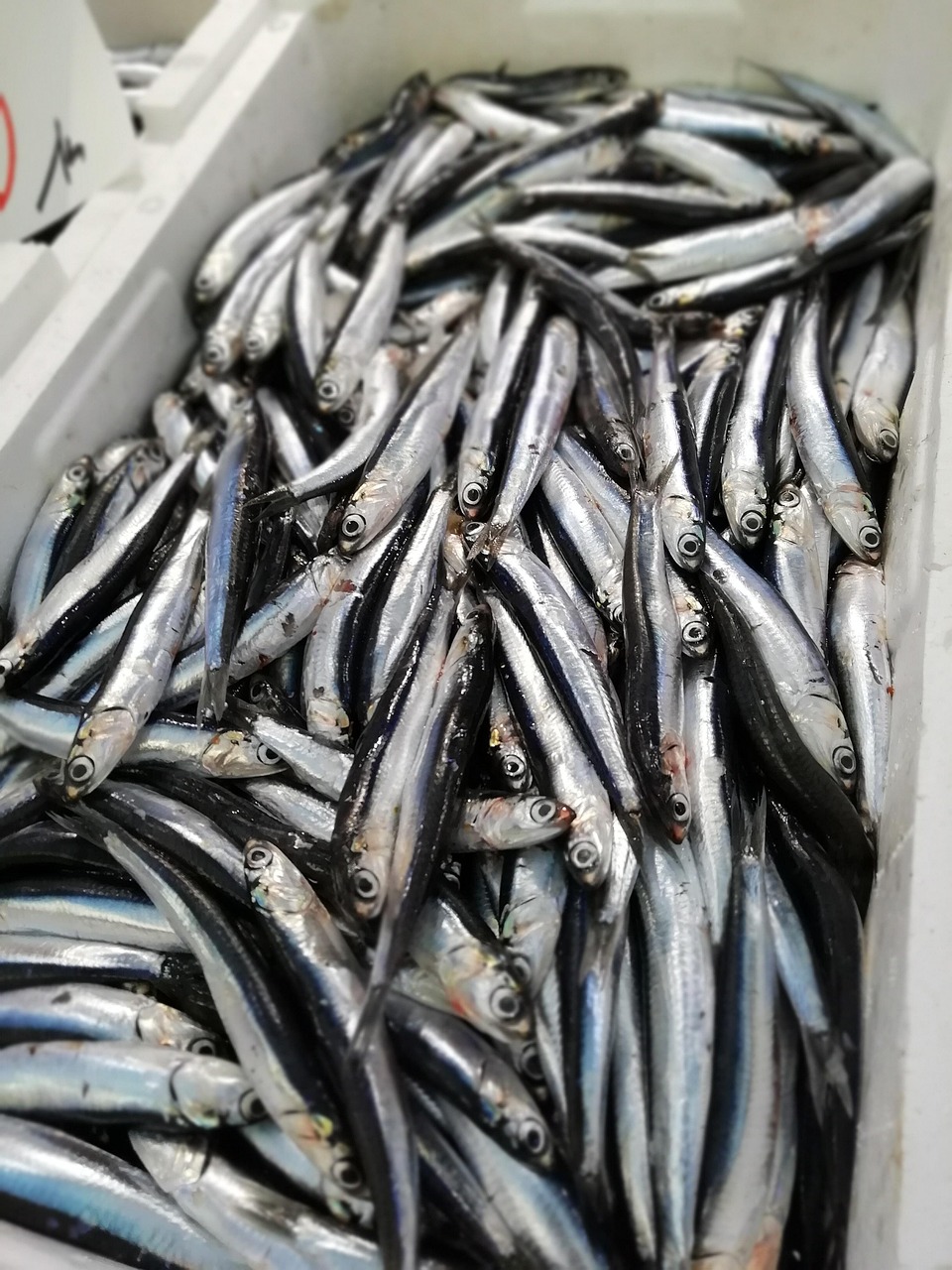 Caution
 Anchovies
Veterinary organisations generally describe anchovies as non-toxic to dogs, while noting concerns around salt content, preparation methods, and small bones.
Read full guide →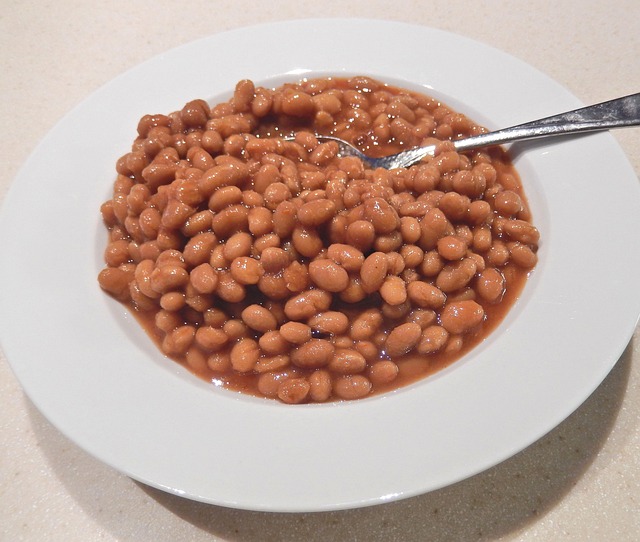 Caution
 Baked Beans
Veterinary and nutrition sources generally classify baked beans as unsuitable for dogs because of high salt, sugar, and common additions such as onion and garlic, which can cause digestive issues or more serious health problems.
Read full guide →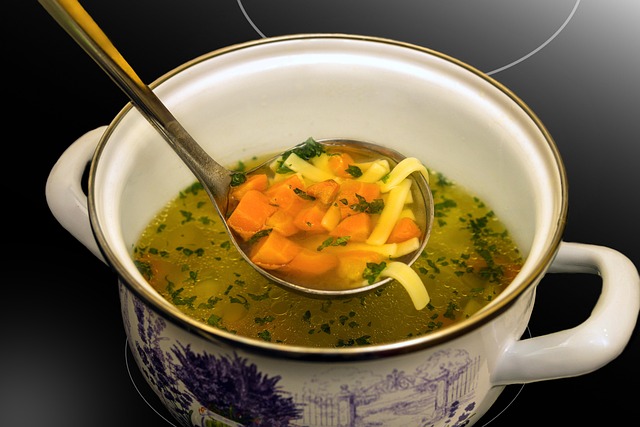 Caution
 Beef Broth
Plain, unsalted beef broth with no alliums is safe and genuinely useful for dogs. Most commercial broths are not — they typically contain high sodium and onion or garlic, often hidden under 'natural flavors' even when no allium is listed by name.
Read full guide →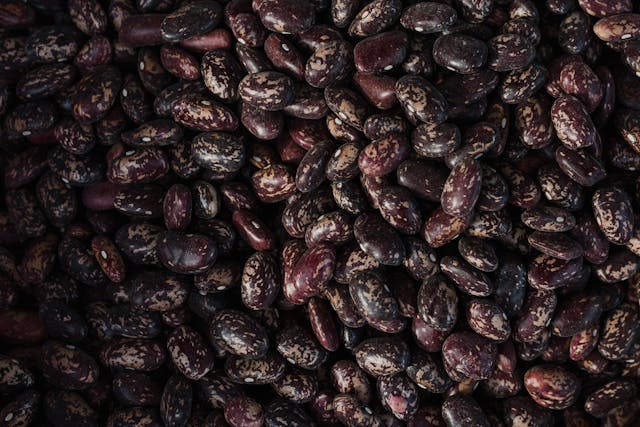 Caution
 Black Beans
Veterinary nutrition sources generally classify plain, cooked black beans as non-toxic to dogs, while noting that added salt, seasonings, and preparation methods may cause digestive issues.
Read full guide →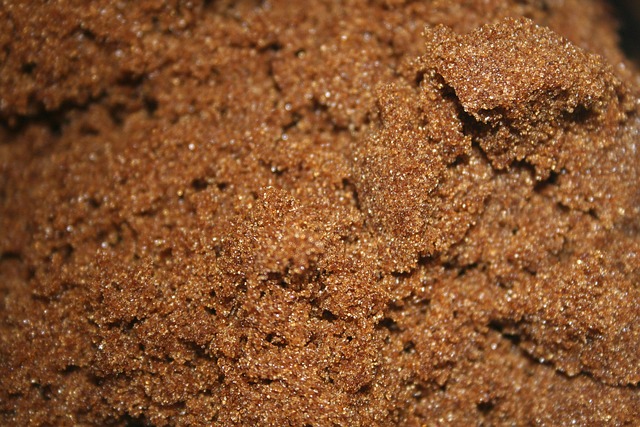 Caution
 Brown Sugar
Brown sugar isn't toxic to dogs — it's ordinary sugar plus a little molasses, so it's the same sugar story as white: empty calories, a dental and weight concern, not a poison. The molasses changes nothing meaningful for a dog. The one real catch is the opposite product: sugar-free 'keto' brown sugar substitutes, some of which use xylitol — which is genuinely dangerous. Regular brown sugar: a sugar treat. Sugar-free substitute: check the label.
Read full guide →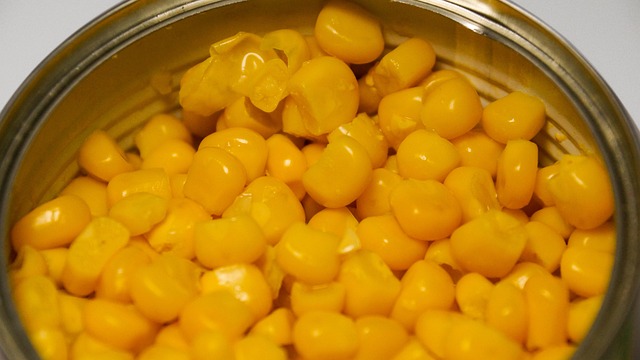 Caution
 Canned Corn
Veterinary pet-care sources state that corn itself is not toxic to dogs, but canned corn often contains added salt or other ingredients that may contribute to digestive upset or other health concerns.
Read full guide →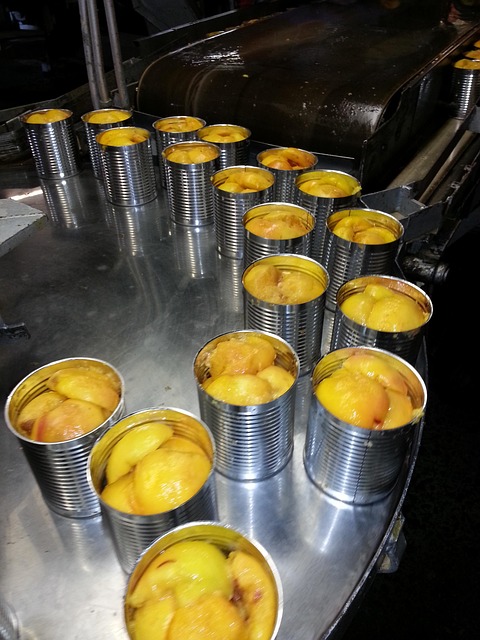 Caution
 Canned Peaches
Veterinary pet-care sources state that peaches themselves are not toxic to dogs, but canned peaches often contain added sugar or syrup that may contribute to digestive upset and other health concerns.
Read full guide →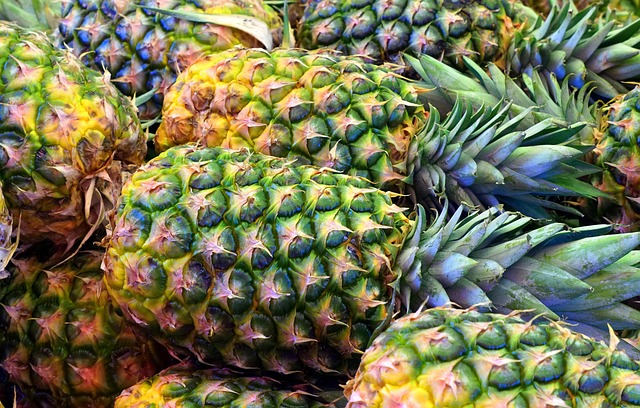 Caution
 Canned Pineapple
Veterinary pet-care sources state that pineapple flesh is not toxic to dogs, but canned pineapple is often packed in sugary syrup, which may contribute to digestive upset and other health concerns.
Read full guide →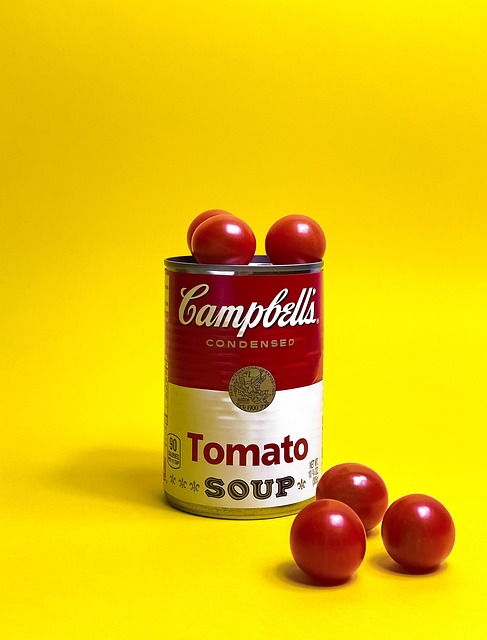 Caution
 Canned Soup
Veterinary pet-care sources state that soup itself is not inherently toxic to dogs, but canned soups commonly contain high levels of salt and ingredients such as onion or garlic that are associated with health risks.
Read full guide →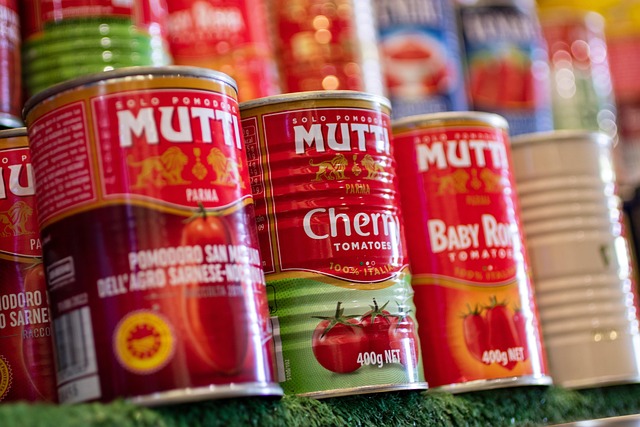 Caution
 Canned Tomatoes
Veterinary pet-care sources state that ripe tomato flesh is not toxic to dogs, but canned tomatoes often contain added salt or other ingredients, and unripe tomatoes and plant parts are associated with toxicity.
Read full guide →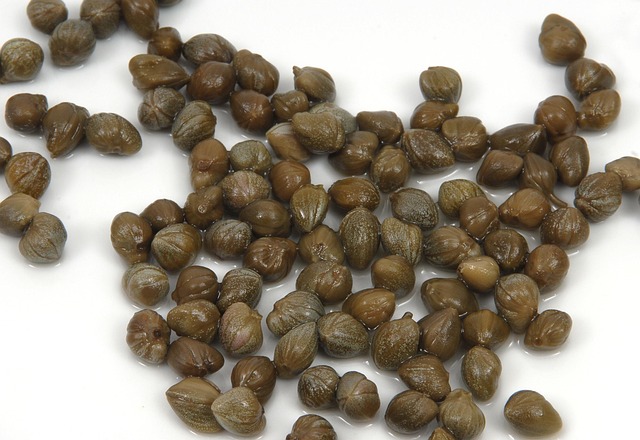 Caution
 Capers
Capers aren't toxic to dogs — the concern is entirely salt. They're brined or salt-packed, so they're intensely salty by concentration, but they're eaten in such tiny amounts that a few off a plate are a trivial sodium load. The one scenario worth a thought is a small dog raiding a whole jar. Not something to feed on purpose, but not an emergency if a couple get licked up.
Read full guide →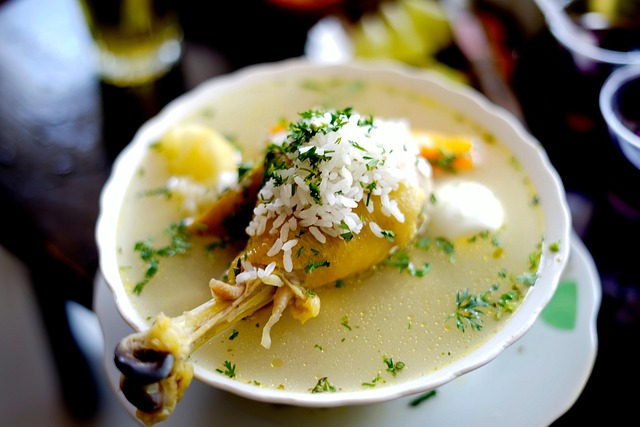 Caution
 Chicken Broth
Plain, unsalted chicken broth with no alliums is safe and genuinely useful for dogs. Most commercial broths are not — they typically contain high sodium and onion or garlic, often hidden under 'natural flavors' even when no allium is listed by name.
Read full guide →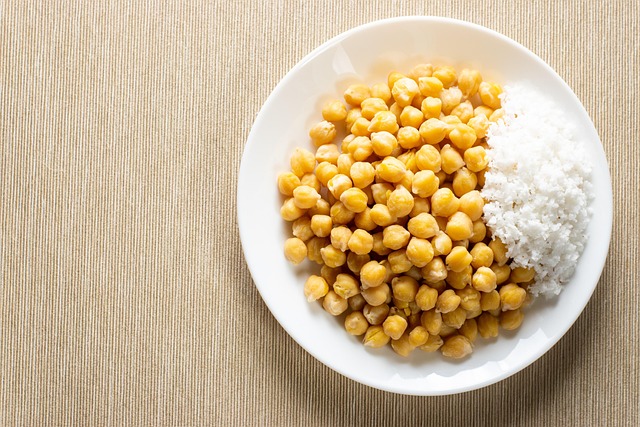 Caution
 Chickpeas
Veterinary pet-care sources state that chickpeas are not toxic to dogs, but their high fiber content and common preparation methods may lead to digestive upset in some dogs.
Read full guide →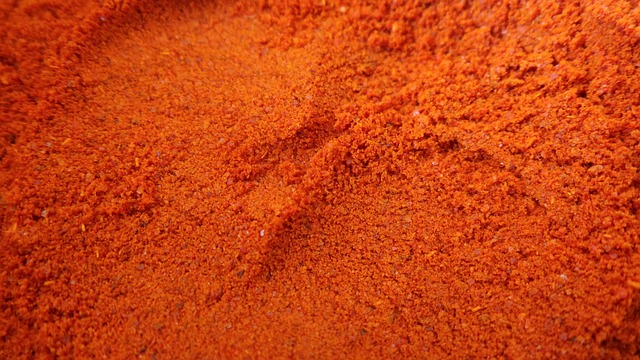 Caution
 Chili Powder
Veterinary pet-care sources state that chili powder is not toxic to dogs, but it contains capsaicin and other spices that are irritating and commonly associated with digestive and oral discomfort.
Read full guide →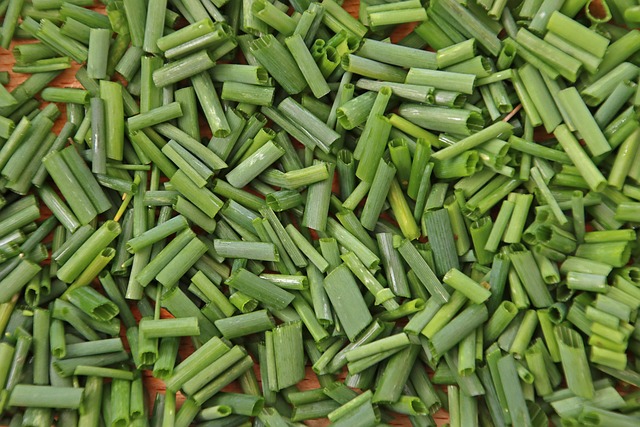 Toxic
Toxic Chives
Chives are toxic to dogs — the same allium hazard as onions and garlic. A raw garnish sprinkle is usually a low per-incident dose, but chive-flavoured products (chive cream cheese, sour-cream-and-chive dips) are where meaningful exposure actually happens.
Read full guide →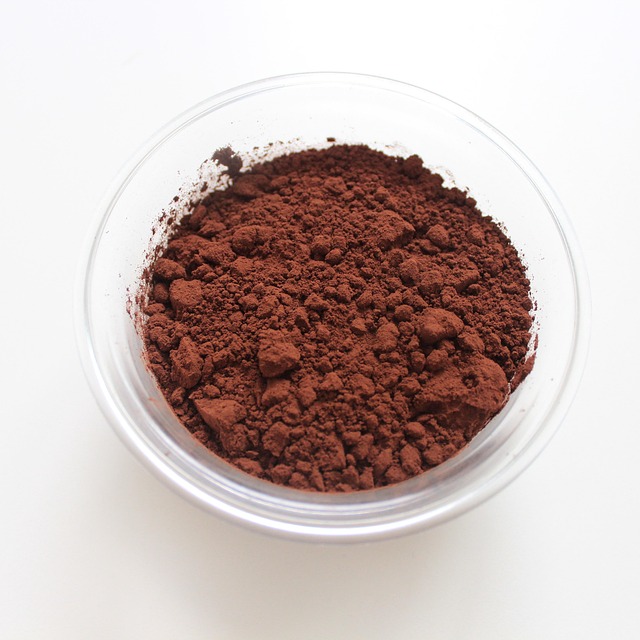 Toxic
Toxic Cocoa Powder
Cocoa powder is the most dangerous common chocolate form — ~807 mg of theobromine per ounce (~150 mg per tablespoon), roughly 12× a milk chocolate bar per gram. A couple of teaspoons can reach toxic signs in a small dog. See the chocolate hub for the full dose math.
Read full guide →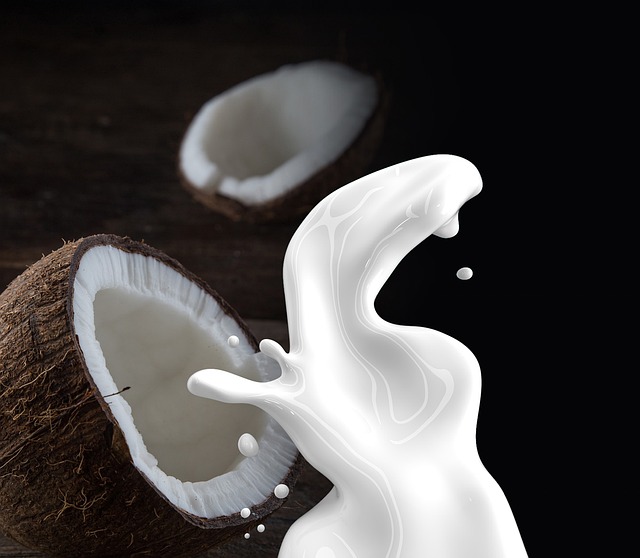 Caution
 Coconut Milk
Veterinary pet-care sources state that coconut milk is not toxic to dogs, but its high fat content and potential additives may contribute to digestive upset and other health concerns.
Read full guide →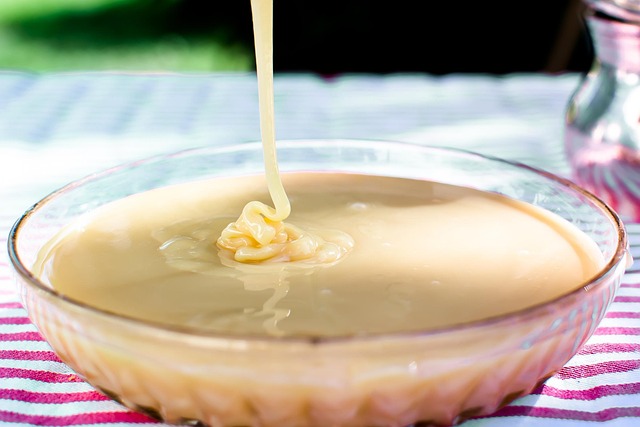 Caution
 Condensed Milk
Veterinary pet-care sources state that condensed milk is not toxic to dogs, but it contains very high levels of sugar and lactose, which are commonly associated with digestive upset and other health concerns.
Read full guide →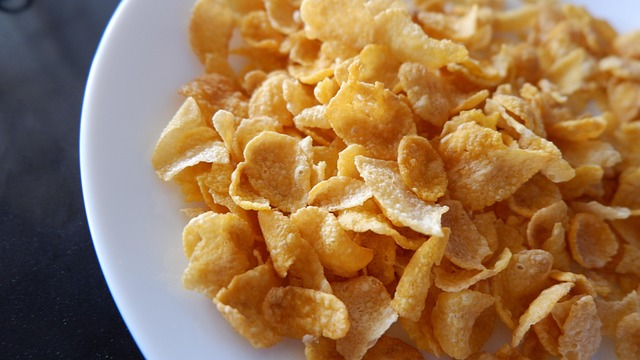 Caution
 Corn Flakes
Plain corn flakes aren't toxic to dogs — they're a simple corn-based cereal, and corn is a common, safe dog-food ingredient. A few plain flakes are a low-risk (if pointless) snack. It's a Caution because it's an unnecessary processed food, and the sweetened versions — frosted flakes especially — carry two to three times the sugar. Plain: fine in small amounts. Frosted, or any cereal with raisins in it: read the box.
Read full guide →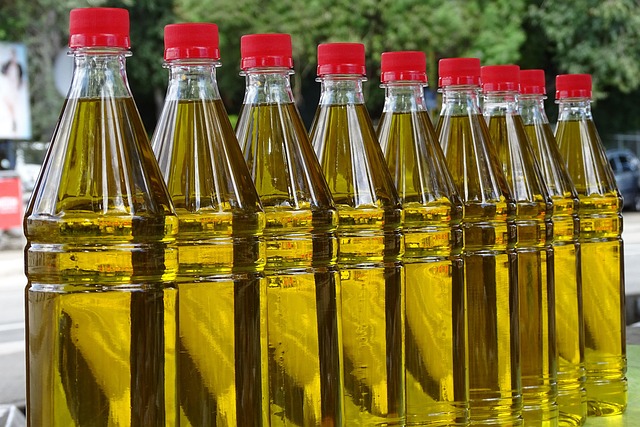 Caution
 Corn Oil
Veterinary pet-care sources state that corn oil is not toxic to dogs, but its high fat content is associated with digestive upset and other health concerns when consumed in significant amounts.
Read full guide → Caution
 Cornmeal
Veterinary pet-care sources state that corn itself is not toxic to dogs, but cornmeal is a processed grain that may be difficult for some dogs to digest, especially if uncooked or prepared with added ingredients.
Read full guide →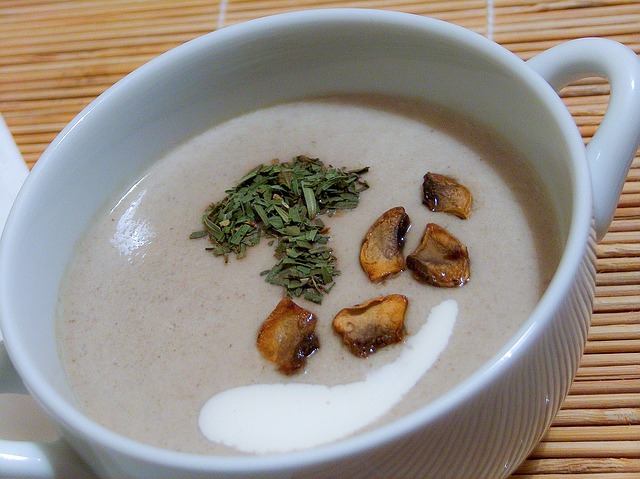 Caution
 Cream of Mushroom Soup
Cream of mushroom soup isn't safe for dogs — it's very high in sodium, contains dairy, and the standard canned variety includes dried garlic. Learn what's actually in it, the real risk levels, and what to do if your dog ate some.
Read full guide →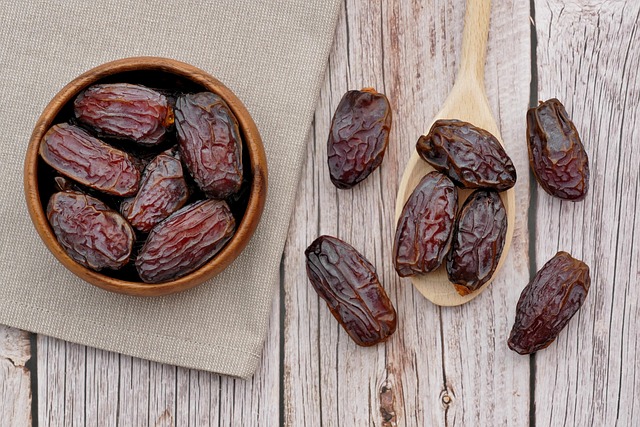 Caution
 Dates
Dates are not raisins, despite both being dried fruit — dates are a palm fruit, botanically unrelated to grapes, so the grape/raisin toxin doesn't apply. The pit has no cyanide either (that's a cherry/plum thing), just a choking risk, and pitted dates are standard. What's left is one thing: dates are very sugar-dense (~66%), so this is a Caution about portion size, not about danger.
Read full guide →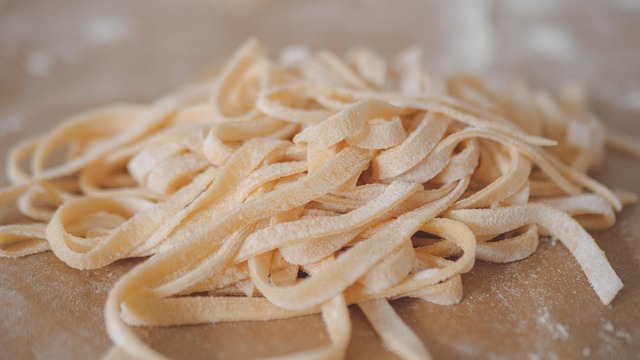 Caution
 Egg Noodles
Veterinary pet-care sources state that plain egg noodles are not toxic to dogs, but concerns are noted around refined grains, eggs, salt, and preparation methods.
Read full guide →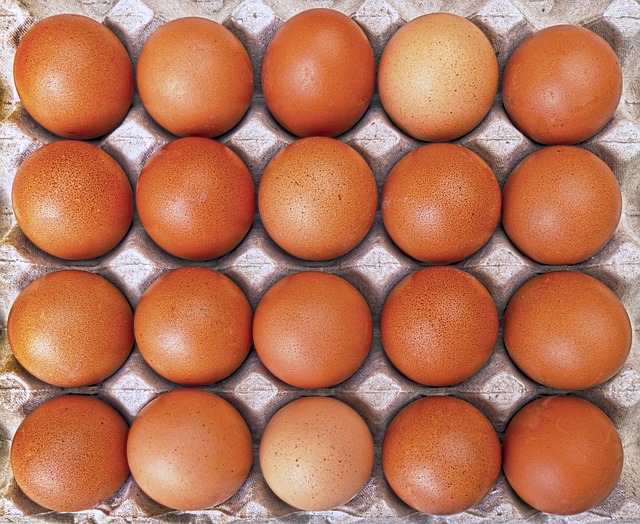 Caution
 Eggs
Cooked, plain eggs are one of the best simple foods you can give a dog — high-quality protein and a long track record. The cautions are narrow and specific: raw eggs carry a low-but-real salmonella risk, raw egg whites contain avidin (a biotin concern that is real but rare in practice), and how the egg is cooked matters more than most people think. This page calibrates each one.
Read full guide →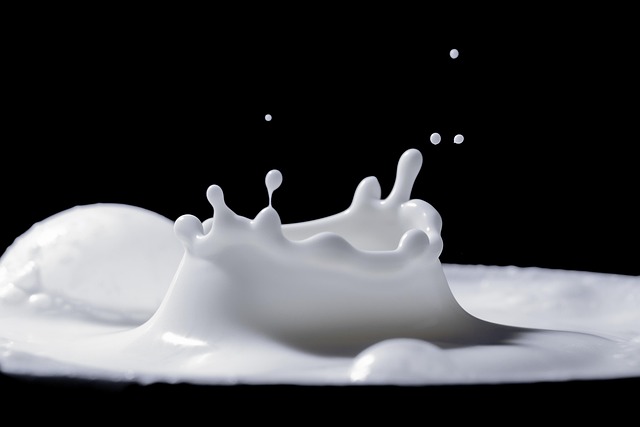 Caution
 Evaporated Milk
Evaporated milk is not toxic to dogs, but its concentrated lactose and fat content make GI upset likely in many dogs — and the fat load raises pancreatitis risk at larger quantities. No nutritional reason to give it.
Read full guide →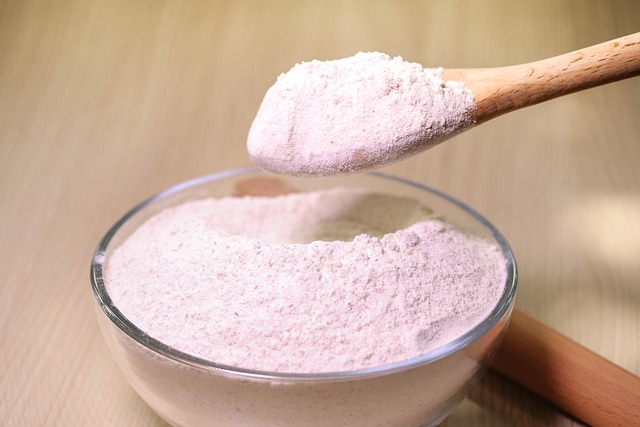 Caution
 Flour
Veterinary and pet-nutrition sources generally describe plain flour as non-toxic to dogs, but note potential risks related to digestion, allergies, and its role in raw dough products.
Read full guide →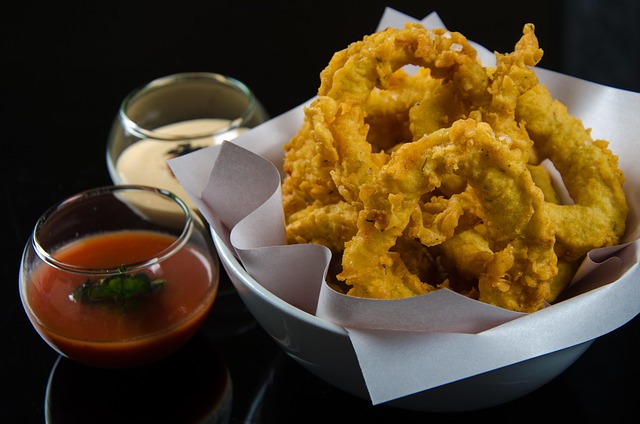 Toxic
Toxic Fried Onions
Veterinary toxicology sources classify onions as toxic to dogs in all forms, including fried, powdered, or cooked, due to compounds that damage red blood cells.
Read full guide →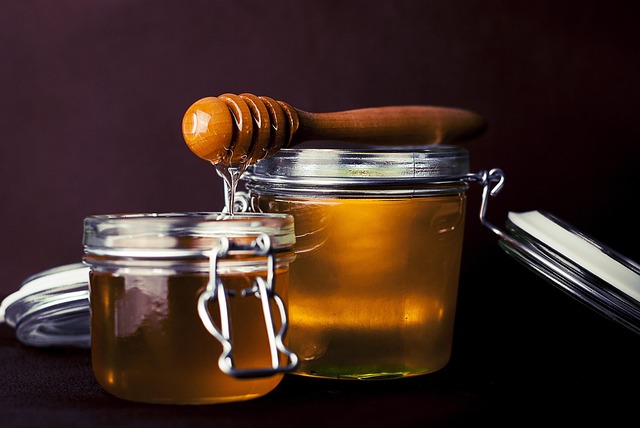 Caution
 Honey
Veterinary and pet-nutrition sources generally describe honey as non-toxic to dogs, but note concerns related to sugar content and the risk of botulism spores, particularly for puppies.
Read full guide → Toxic
Toxic Hot Chocolate Mix
Hot chocolate mix is toxic, but less concentrated than it looks: it's cocoa diluted heavily with sugar and milk powder, so it's milk-chocolate-tier (~2 mg/g, ~60–70 mg theobromine per serving), not the cocoa-powder-tier hazard the 'chocolate powder' appearance suggests. The dry tub eaten in bulk is the real concern. See the chocolate hub for the full dose math.
Read full guide →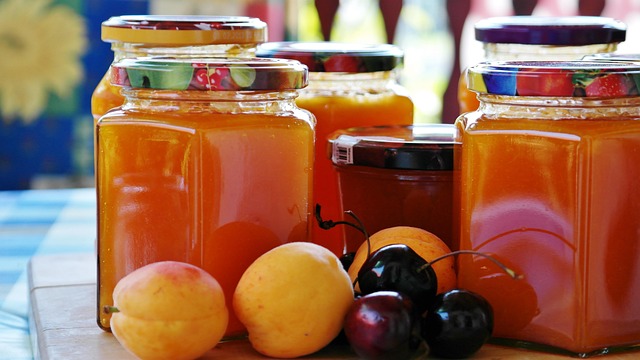 Caution
 Jelly
Veterinary and pet-nutrition sources generally describe jelly as non-toxic to dogs, but highlight risks related to very high sugar content and the possible presence of toxic ingredients such as xylitol or grape-derived products.
Read full guide →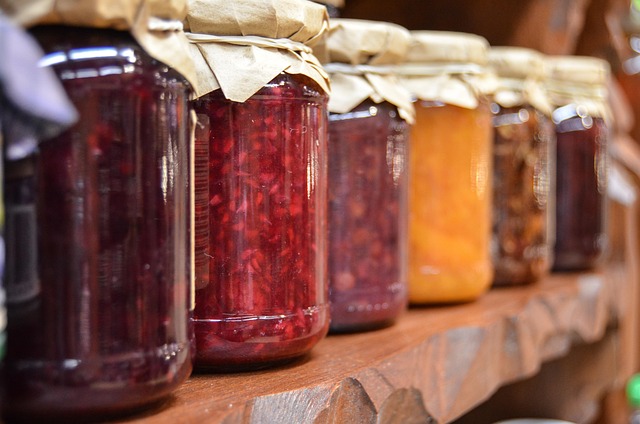 Caution
 Jam
Veterinary and pet-nutrition sources generally describe jam as non-toxic to dogs, but note concerns related to high sugar content and the possible presence of toxic ingredients such as xylitol or grape-based fruits.
Read full guide →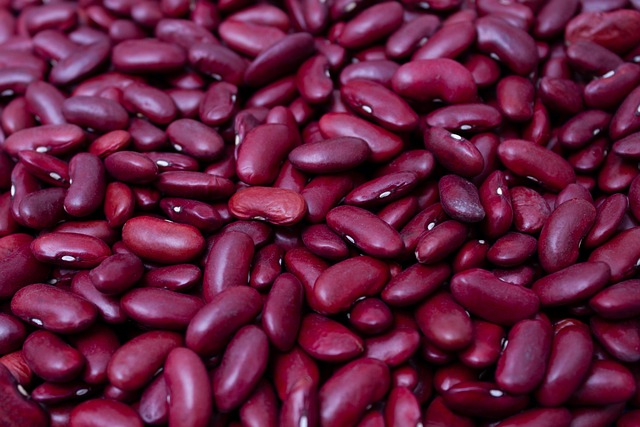 Caution
 Kidney Beans
Veterinary nutrition sources explain that cooked kidney beans are not toxic to dogs, but raw or undercooked kidney beans contain lectins that can cause digestive distress.
Read full guide →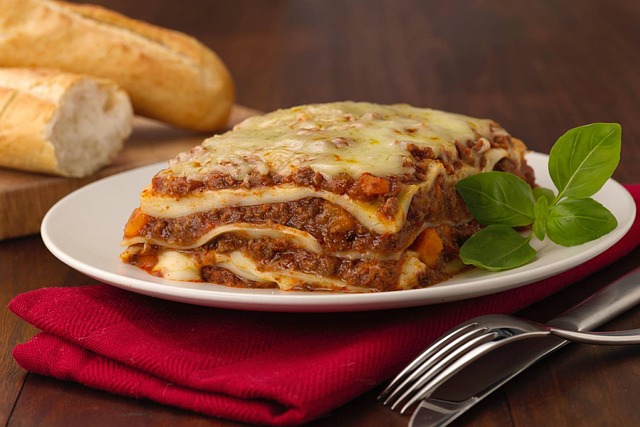 Caution
 Lasagna Sheets
Veterinary and pet-nutrition sources generally describe plain pasta products as non-toxic to dogs, but note concerns related to refined carbohydrates, digestive upset, and added ingredients when prepared as part of dishes.
Read full guide →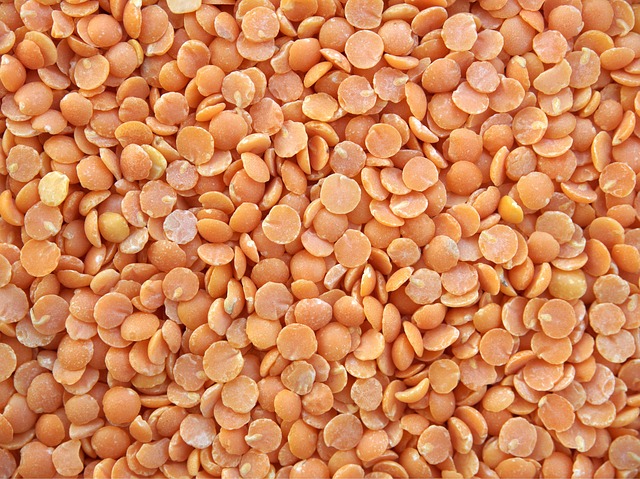 Caution
 Lentils
Veterinary and pet-nutrition sources generally describe lentils as non-toxic to dogs, but note risks related to digestive upset, gas, and fibre content, particularly in larger amounts or when included in complex foods.
Read full guide →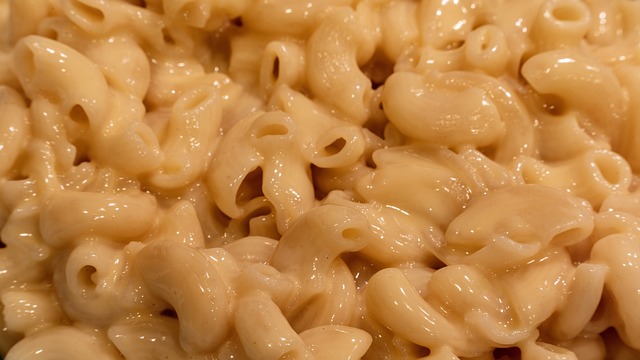 Caution
 Macaroni
Veterinary and pet-nutrition sources generally describe plain macaroni as non-toxic to dogs, but note concerns related to refined carbohydrates, digestive upset, and common added ingredients in prepared dishes.
Read full guide →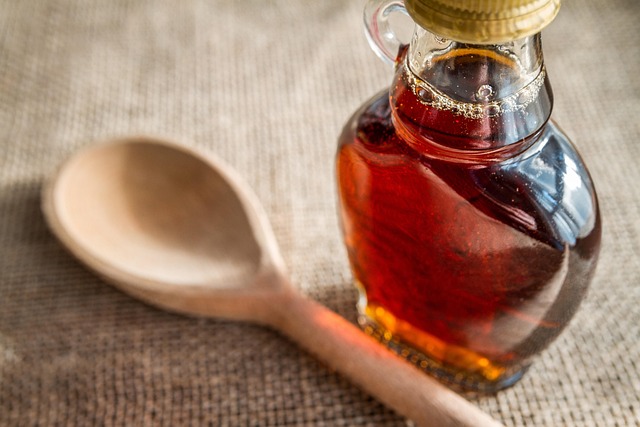 Caution
 Maple Syrup
Pure maple syrup isn't toxic to dogs — it's concentrated sugar, so a lick is harmless and the concern is calories, not poisoning. The real hazard is sugar-free/keto syrup: unlike most sugar-free foods, xylitol genuinely appears here (Nature's Hollow is xylitol-sweetened as of July 2026), and xylitol is dangerously toxic. Check any sugar-free syrup's label for xylitol first.
Read full guide →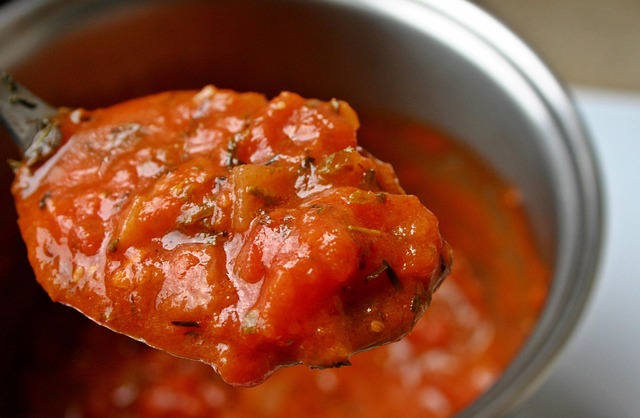 Caution
 Marinara Sauce
Marinara sauce is unsafe for dogs as typically prepared — garlic and usually onion are the hazard, not the tomato. A lick off a plate is unlikely to be a crisis; a realistic pasta portion is a meaningful combined allium load, and regular exposure is a cumulative risk.
Read full guide →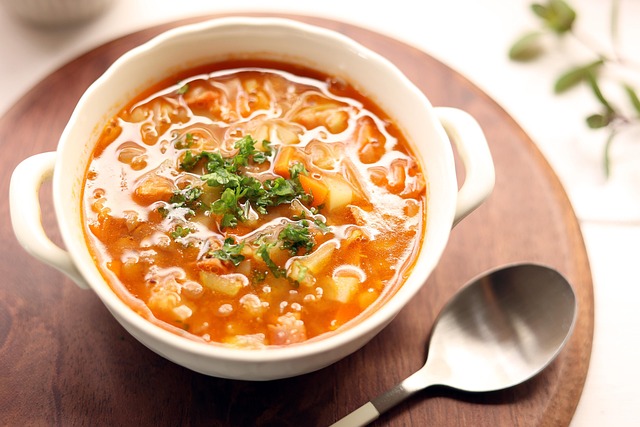 Toxic
Toxic Minestrone Soup
Veterinary toxicology sources classify minestrone soup as unsafe for dogs because it typically contains onion and garlic, both of which are toxic to dogs.
Read full guide →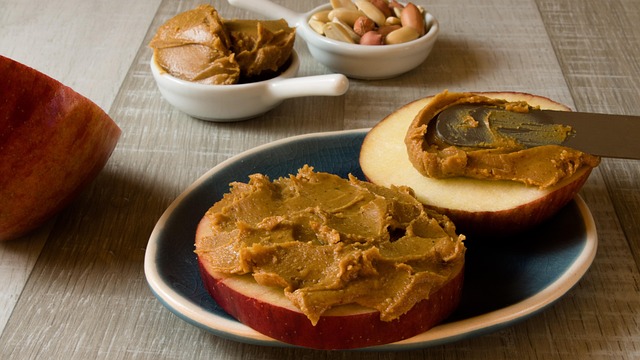 Caution
 Nut Butter
Veterinary and pet-safety sources describe some nut butters as non-toxic to dogs, but warn about serious risks from xylitol and concerns related to fat, salt, and added ingredients.
Read full guide →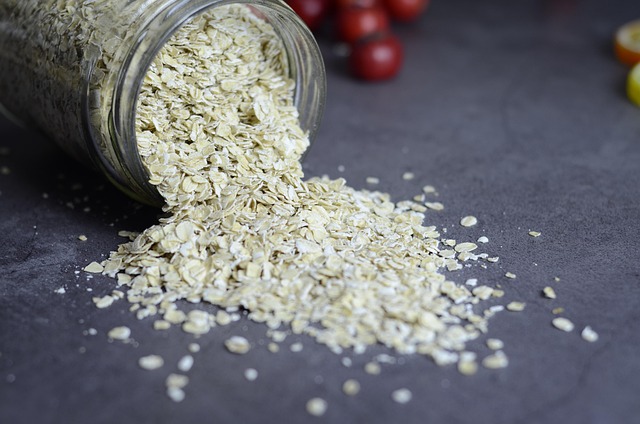 Safe
Safe Oats
Veterinary and pet-nutrition sources generally describe plain oats as safe for dogs when unseasoned and free from additives, noting that concerns arise mainly from processing or added ingredients.
Read full guide →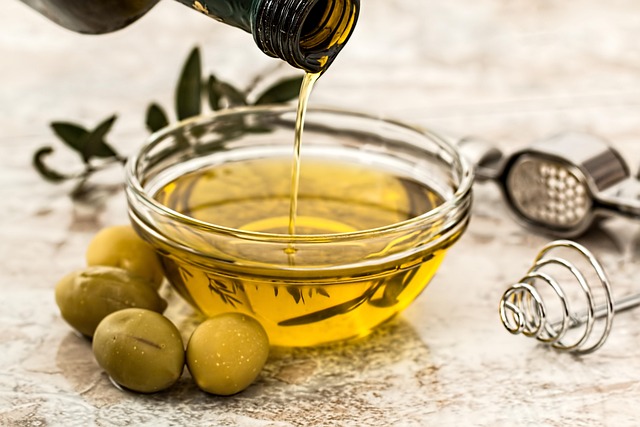 Caution
 Olive Oil
Veterinary and pet-nutrition sources describe olive oil as not toxic to dogs but note potential risks related to its high fat and calorie content.
Read full guide →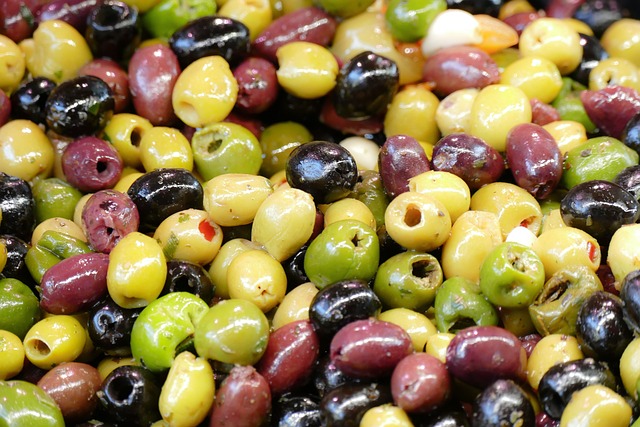 Caution
 Olives
Veterinary and pet-nutrition sources describe olives as not toxic to dogs but note concerns related to high salt content, pits, and added ingredients commonly found in prepared olives.
Read full guide →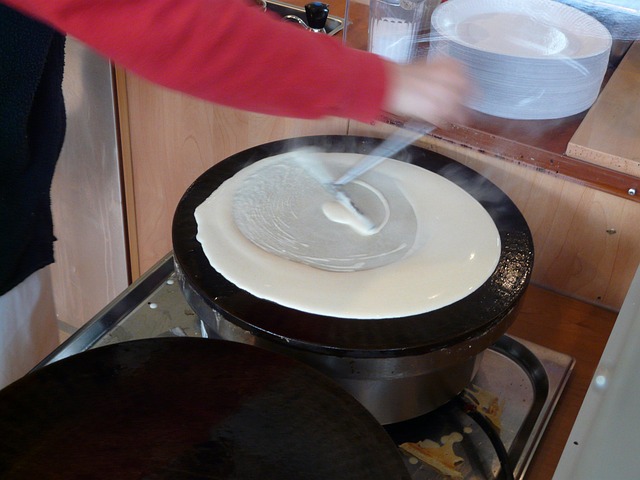 Caution
 Pancake Mix
Veterinary and pet-nutrition sources describe pancake mix as not inherently toxic to dogs but highlight risks related to added sugar, salt, leavening agents, and other ingredients commonly found in commercial mixes.
Read full guide →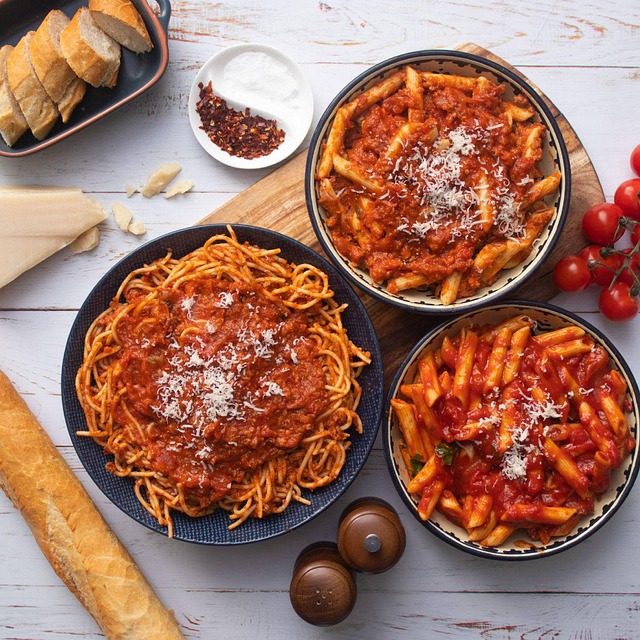 Caution
 Pasta Sauce
Whether pasta sauce is a problem for dogs depends on the type. Red and tomato-based sauces carry a garlic and onion hazard; cream and alfredo sauces add concentrated dairy and fat concerns on top, plus near-universal garlic. The type is the deciding variable.
Read full guide →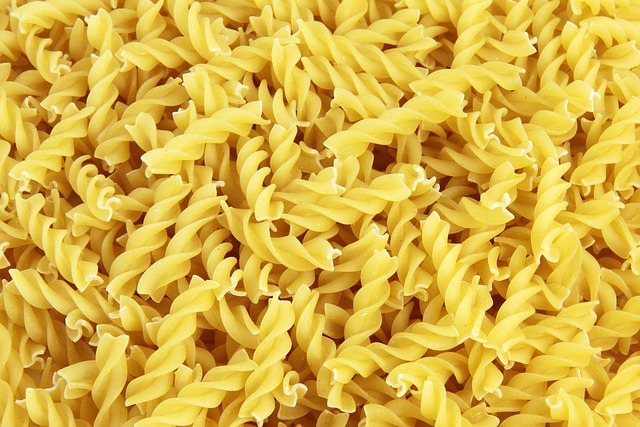 Caution
 Pasta
Veterinary and pet-nutrition sources describe plain pasta as not toxic to dogs but note concerns related to refined carbohydrates, gluten sensitivity in some dogs, and added ingredients commonly found in prepared pasta dishes.
Read full guide →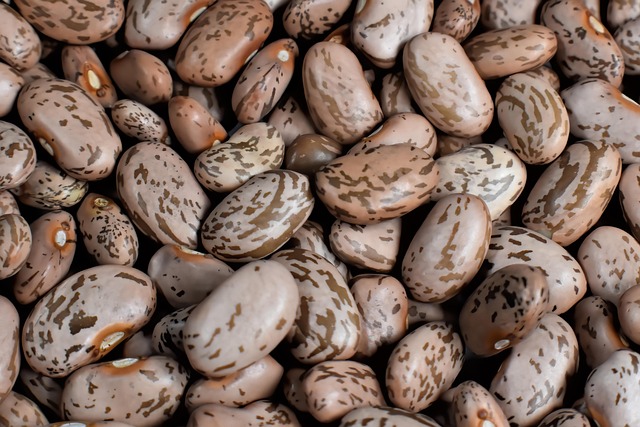 Caution
 Pinto Beans
Veterinary and pet-nutrition sources describe pinto beans as not toxic to dogs when properly cooked, while noting concerns related to raw or undercooked beans and added salt or seasonings in canned products.
Read full guide →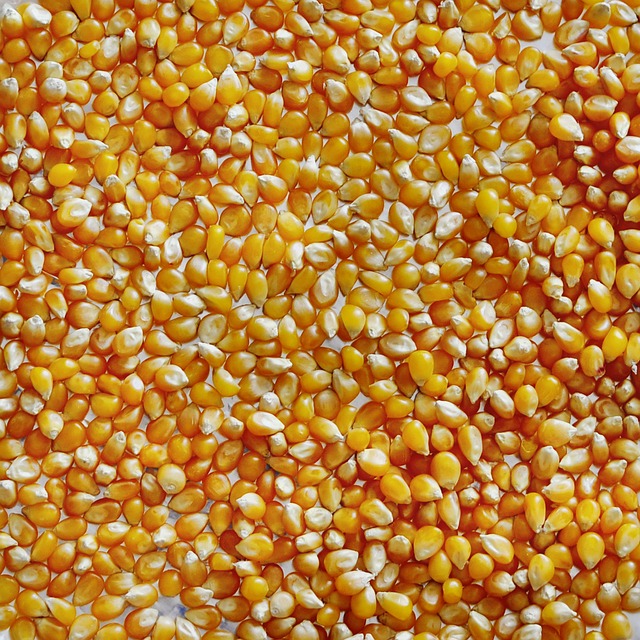 Caution
 Popcorn Kernels
Veterinary and pet-safety sources describe popcorn kernels as not toxic to dogs but note significant risks related to choking, dental damage, and gastrointestinal obstruction when kernels are unpopped.
Read full guide →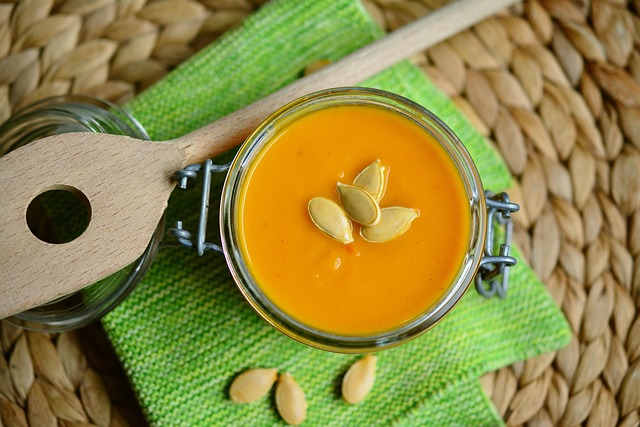 Safe
Safe Pumpkin Purée
Veterinary and pet-nutrition sources describe plain pumpkin purée as safe for dogs and commonly reference it in discussions of canine digestion, while noting that additives found in some pumpkin products change its safety profile.
Read full guide →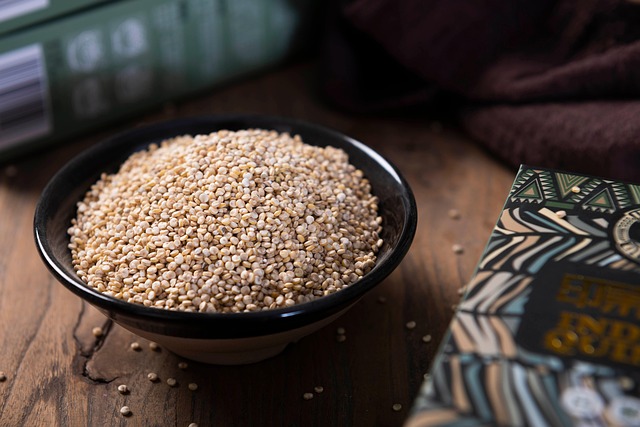 Caution
 Quinoa
Veterinary and pet-nutrition sources describe quinoa as not toxic to dogs but note potential digestive upset related to naturally occurring saponins and preparation differences.
Read full guide →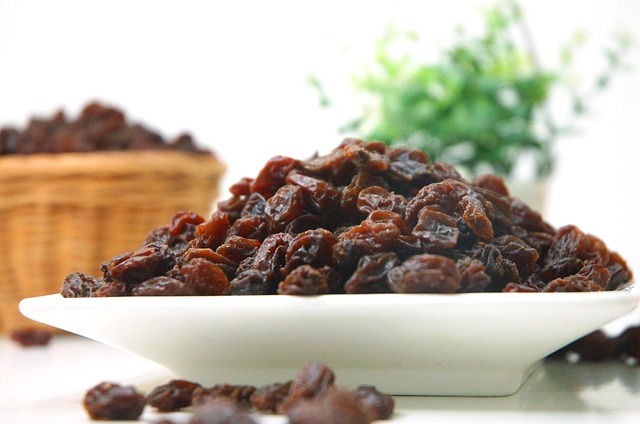 Toxic
Toxic Raisins
Veterinary toxicology sources classify raisins as toxic to dogs due to a well-documented risk of acute kidney failure, even when small amounts are ingested.
Read full guide →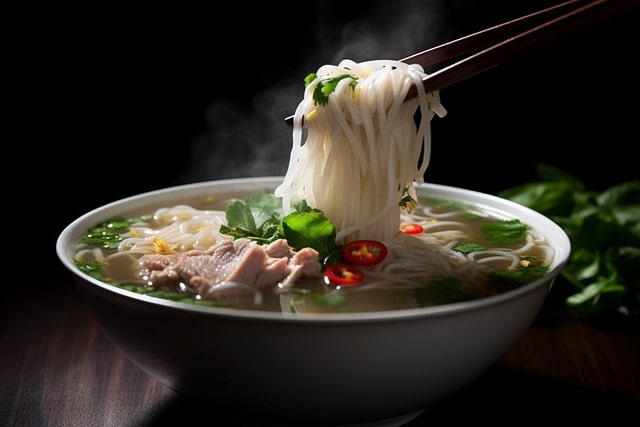 Caution
 Rice Noodles
Veterinary and pet-nutrition sources describe plain rice noodles as not toxic to dogs, while noting concerns related to refined carbohydrates, digestive upset, and added ingredients in prepared dishes.
Read full guide →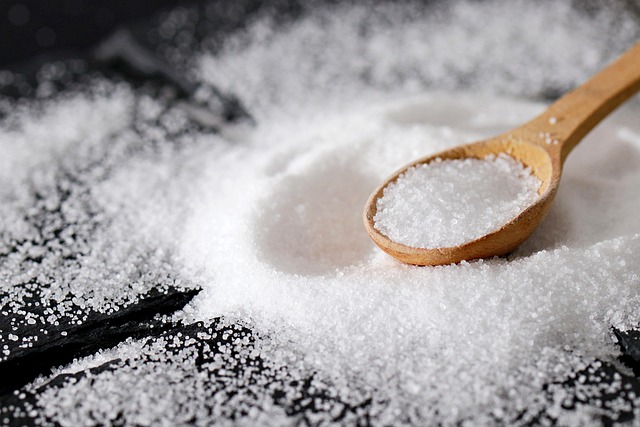 Toxic
Toxic Salt
Veterinary toxicology sources classify excessive salt intake as dangerous for dogs, with ingestion associated with salt poisoning (sodium ion toxicosis) and serious neurological and systemic effects.
Read full guide →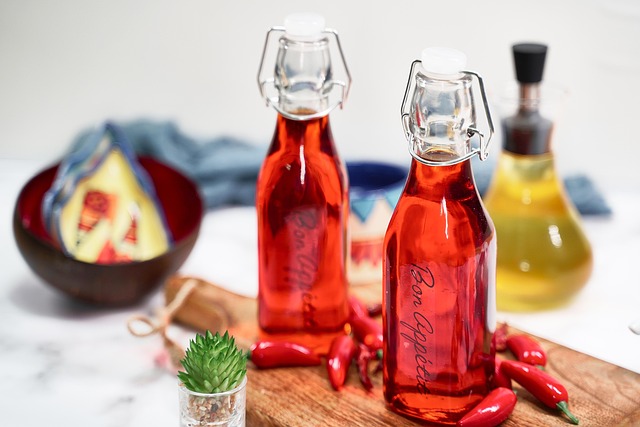 Caution
 Sesame Oil
Veterinary and pet-nutrition sources describe sesame and sesame-derived products as not toxic to dogs, while noting that oils are highly concentrated fats that may cause digestive upset or other issues if consumed.
Read full guide →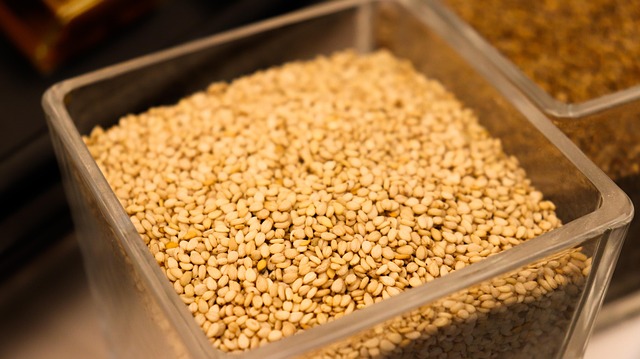 Caution
 Sesame Seeds
Veterinary and pet-nutrition sources describe sesame seeds as not toxic to dogs, while noting potential digestive upset due to fat content and the way seeds are commonly prepared or used.
Read full guide →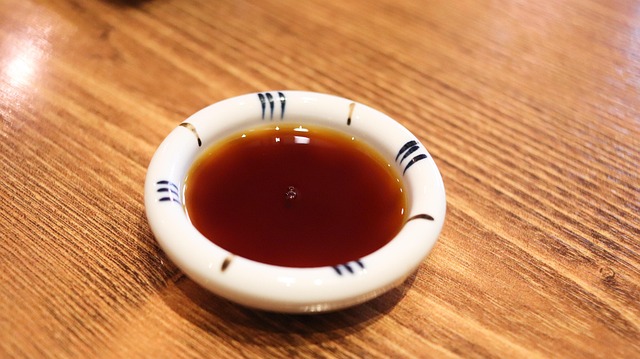 Caution
 Soy Sauce
Soy sauce is too salty for dogs and can cause salt poisoning in larger amounts. Learn the real risk, the warning signs, and what to do if your dog ate some.
Read full guide →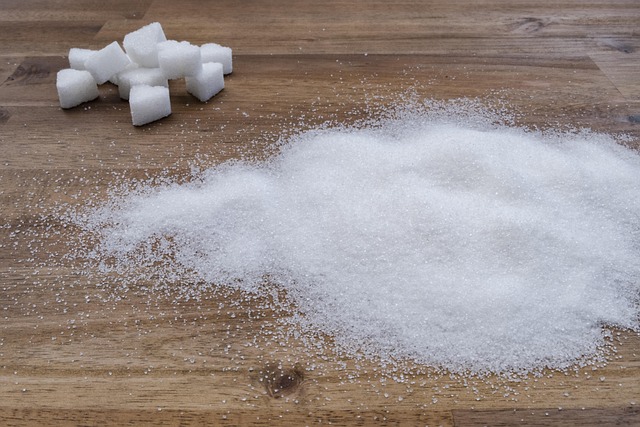 Caution
 Sugar
Sugar is not classified as toxic to dogs, but veterinary sources note concerns related to digestive upset, obesity, dental disease, and related health effects when consumed.
Read full guide →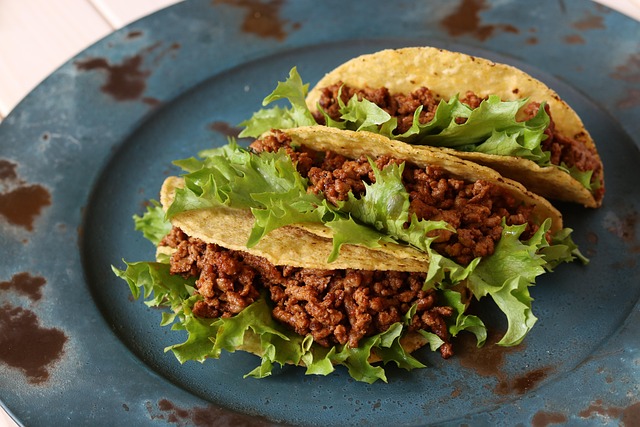 Caution
 Taco Shells
Taco shells are not considered toxic to dogs, but veterinary sources note concerns related to salt, fat, and seasonings commonly used in commercial taco shells.
Read full guide →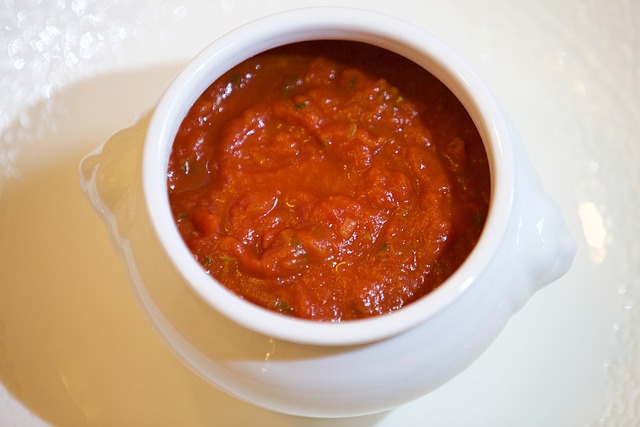 Caution
 Tomato Paste
Plain tomato paste is not toxic to dogs and poses little real risk in small amounts. The concern is seasoned paste — garlic and onion powder in flavoured varieties are a genuine allium hazard. Check the label.
Read full guide →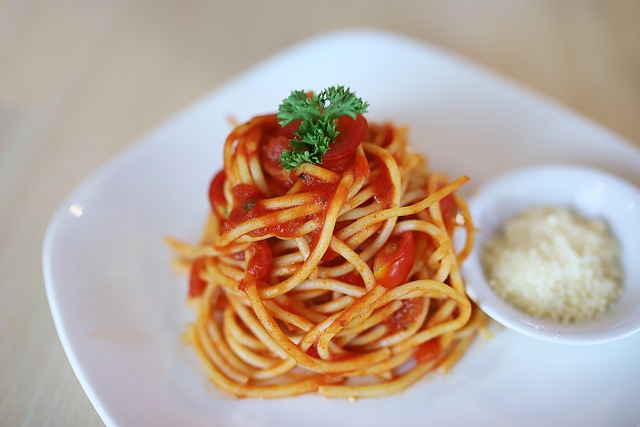 Caution
 Tomato Sauce
Tomato sauce is three different things depending on context. Plain pureed tomato sauce (the canned cooking base) is low risk — ripe tomato is non-toxic and the main concern is modest sodium. Seasoned tomato sauce (garlic and onion present) is a different product with a real allium hazard. Read the label.
Read full guide →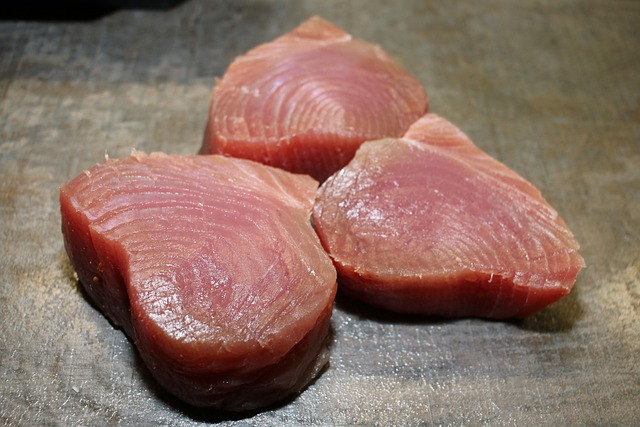 Caution
 Tuna
Tuna is not classified as toxic to dogs, but veterinary sources note concerns related to mercury content, added salt in canned products, and digestive sensitivity.
Read full guide →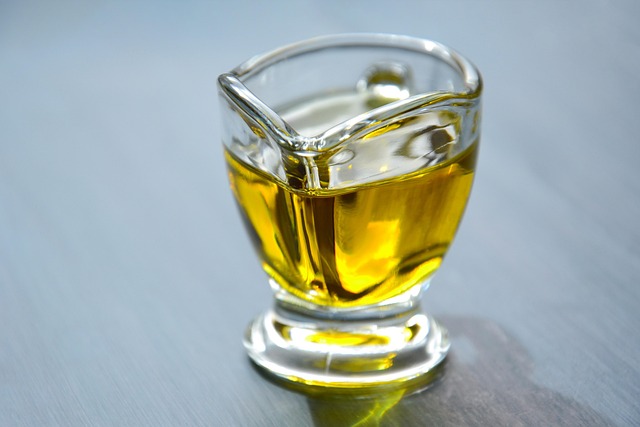 Caution
 Vegetable Oil
Vegetable oil is not classified as toxic to dogs, but veterinary sources note concerns related to high fat content and digestive upset, particularly when consumed in larger amounts.
Read full guide →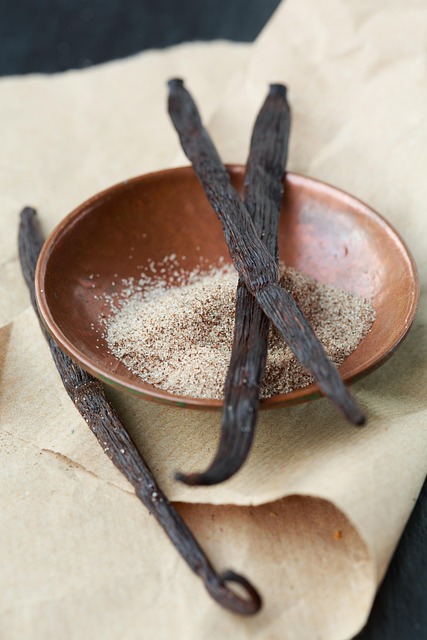 Toxic
Toxic Vanilla Extract
Vanilla extract is classified as unsafe for dogs because it contains high levels of alcohol, which veterinary toxicology sources list as toxic to dogs.
Read full guide → Caution
 Vinegar
Vinegar is not classified as toxic to dogs, but veterinary sources note that its acidity may cause digestive irritation, particularly when consumed undiluted or in larger amounts.
Read full guide →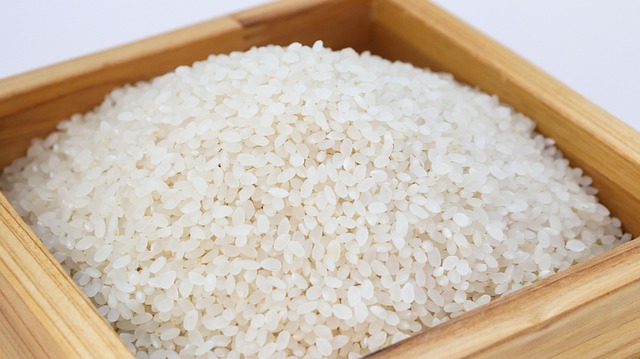 Safe
Safe White Rice
White rice is generally considered safe for dogs when plain, with veterinary sources commonly discussing it as a non-toxic, easily digestible grain.
Read full guide →