Affiliate disclosure: This guide contains affiliate links. If you purchase via these links, we may earn a small commission at no extra cost to you. This never affects our safety assessments — see our Editorial Standards for how we work.
Recommendations on this page
- For preparedness: ARCA Pet First Aid Kit — a small investment for unexpected pet emergencies. View on Amazon →
- Further reading: The Forever Dog by Habib & Becker — a well-regarded reference on canine nutrition and longevity. View on Amazon →
Is Brown Sugar Safe for Dogs?
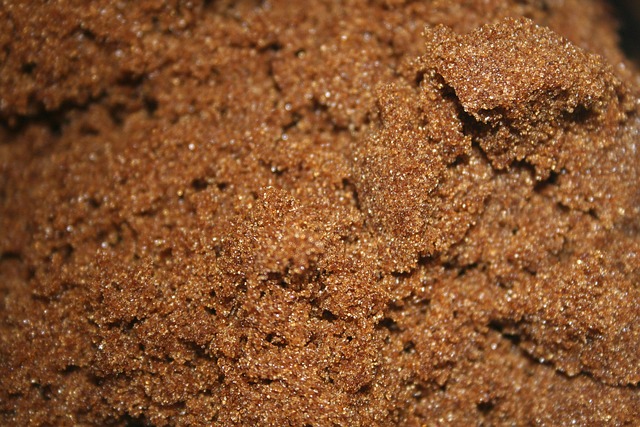
Brown sugar isn’t toxic to dogs — it’s simply white sugar with a little molasses added back in. So for a dog, this is the same story as any sugar: empty calories with no real benefit, a concern for teeth, weight, and diabetic dogs, but not a poison. A dog that licks up a bit of spilled brown sugar, or steals a plain brown-sugar cookie, is not in danger — the concern with sugar is a habit, not a one-off.
Because the underlying issue is just “sugar,” we won’t re-derive it here — the full picture on how sugar affects dogs (dental disease, obesity, blood-sugar and diabetes concerns, GI upset) lives on our sugar page, and everything there applies to brown sugar unchanged. This page covers only what’s specific to brown sugar: the molasses, and the one genuine catch — sugar-free substitutes.
The Molasses: an Honest Non-Issue
The only thing that makes brown sugar different from white is molasses — that’s what gives it the colour, the moisture, and the flavour. Light brown sugar is around 3.5% molasses; dark is around 6.5%.
You’ll sometimes see molasses described as “rich in minerals” (iron, calcium, potassium, magnesium), which can make brown sugar sound like the healthier sugar. For a dog, that’s not a real distinction. The mineral content is small to begin with, and at the tiny amounts of brown sugar a dog would ever eat, it’s nutritionally negligible — not enough to count as a benefit. But it doesn’t add a hazard either. So the honest verdict on molasses is simply: it makes brown sugar brown, and for your dog it’s neither better nor worse than white sugar. Don’t pick one over the other thinking it matters — it doesn’t.
The One Real Catch: Sugar-Free “Brown Sugar Substitutes” and Xylitol
Here’s the part actually worth your attention, and it’s the opposite product from regular brown sugar. Sugar-free and “keto” brown sugar substitutes are a real and growing baking category — and some of them are sweetened with xylitol, which is seriously toxic to dogs.
This is the same pattern as sugar-free syrup, which we cover on the maple syrup page: the regular product is a mild sugar question, but the sugar-free version is where a genuine hazard can hide. Xylitol causes a rapid, dangerous drop in a dog’s blood sugar and, at higher doses, liver damage — so it’s a categorically more serious problem than the sugar it replaces.
The calibration, though, matters and cuts both ways:
- Many of the big commercial brown-sugar substitutes use erythritol, not xylitol — brands built on erythritol and monk fruit, which are not the acute hazard xylitol is.
- But some products and homemade “keto brown sugar” recipes do use xylitol.
So this is a check-the-label situation, not a “brown sugar substitutes are poison” one. We’re deliberately not naming a specific xylitol brown-sugar product, because we couldn’t verify one as currently sold — the point is the category is mixed, so read the actual ingredient list on any sugar-free brown sugar in your kitchen. If it lists xylitol (sometimes called “birch sugar”), treat it as a genuine toxin and keep it well away from your dog; if a dog eats any, contact your vet or a pet poison line right away. Regular brown sugar carries none of this — it’s just sugar.
Brown Sugar in Baked Goods, Cinnamon Treats, and Ham Glaze
Brown sugar rarely turns up alone — it’s baked and cooked into things. In almost every case, the brown sugar is the least of the concern, and it’s the other ingredients to read:
- Baked goods (cookies, brownies, brown-sugar oatmeal, flapjacks): the real risks are chocolate, raisins, and the fat, plus xylitol in any “diet”/sugar-free baking — all of which matter far more than the sugar. A plain brown-sugar cookie is a sugar question; a chocolate-chip or raisin one is a different, more serious one.
- Brown-sugar cinnamon (cinnamon rolls, cinnamon-sugar toast): mostly just a sugar question. Cinnamon itself is low-concern for dogs in the small, culinary amounts used here — so these are really back to being about the sugar (and, in a frosted roll, the fat).
- Brown-sugar-glazed ham: the glaze usually adds mustard, clove, or honey, but the thing to actually weigh with glazed ham is the ham itself — its salt and fat, not the sugar coating. As with a lot of dishes on this site, the brown sugar is the innocent part; the ham is the concern.
The through-line: when brown sugar is in something, judge the something by its other ingredients.
Symptoms to Watch For
From regular brown sugar (or brown-sugar treats), it’s a sugar story:
- A one-off small amount: usually nothing, or mild GI upset — loose stools, gas, a bit of vomiting
- A large amount: more pronounced stomach upset; over the long term, the sugar concerns are weight gain and dental disease (see sugar), and extra caution applies to diabetic dogs
From a xylitol-containing sugar-free substitute — this is the urgent one:
- Xylitol can cause a rapid blood-sugar crash within 30–60 minutes: weakness, wobbliness, tremors, collapse — don’t wait for symptoms; call your vet or a pet poison line immediately if a dog ate any (see xylitol)
For preparedness
ARCA Pet First Aid Kit
A dog into the regular brown sugar is a minor thing — but the scenario that isn't (a dog that got into a xylitol-sweetened sugar-free substitute) is exactly the kind worth being ready for. A first aid kit is a small, sensible bit of preparedness while you get to your vet.
View on Amazon →What To Do
- A lick of spilled brown sugar, or a plain brown-sugar treat, healthy dog: low concern. Watch for mild stomach upset; don’t make sugar a habit.
- A large amount of brown sugar: monitor for GI upset; be more careful with diabetic or overweight dogs, and mention it to your vet if your dog is diabetic.
- A sugar-free brown sugar substitute: check the label for xylitol (or “birch sugar”). If it’s there, or you’re unsure, call your vet or a pet poison line right away — don’t wait.
- A baked good or glazed ham: judge it by the other ingredients — chocolate, raisins, or xylitol in baking; the salt and fat in ham — rather than the brown sugar itself.
- Want to give something sweet instead? A little plain fruit (see the apple page) is a better occasional treat than anything sugar-added.
Frequently Asked Questions
This FAQ summarises general veterinary and nutrition guidance. It’s informational only and not a substitute for advice from your own vet, who knows your dog.
Is brown sugar safe for dogs?
It’s not toxic, but it’s not good for them either — it’s sugar. A small, one-off amount won’t hurt a healthy dog, but sugar offers no benefit and, as a habit, contributes to weight gain and dental problems (and matters more for diabetic dogs). Treat brown sugar the same as any sugar: fine as a rare accident, not something to feed on purpose.
Is brown sugar worse — or better — than white sugar for dogs?
Neither, really. The only difference is the molasses that makes brown sugar brown, and although molasses contains a few trace minerals, the amount is far too small to matter for a dog. So brown and white sugar are essentially the same for your dog — both are just added sugar with no benefit.
My dog ate a sugar-free brown sugar substitute — should I worry?
Potentially yes — check the label immediately. Some sugar-free or “keto” brown sugar substitutes are sweetened with xylitol, which is seriously toxic to dogs and can cause a dangerous blood-sugar crash and liver damage. Many big brands use erythritol instead, which isn’t that hazard — but you need to read the actual ingredient list. If it contains xylitol (or “birch sugar”), or you can’t tell, contact your vet or a pet poison line straight away.
My dog ate brown sugar cookies — what should I do?
For a plain brown-sugar cookie, treat it as a small sugar treat and watch for mild stomach upset. The more important question is what else was in it: chocolate and raisins are genuinely toxic to dogs, and some “sugar-free” baking contains xylitol — any of those turns it from a minor sugar incident into something to call your vet about. Check the recipe or packaging.
About This Guide
This guide was researched and written by Claire Donnelly for Is It Safe For My Dog?. We are not veterinarians. Each guide is compiled from published, publicly accessible veterinary and toxicology sources — for this page, the American Kennel Club, PetMD, VCA Hospitals, and the ASPCA — and cross-checked before publication. Brown sugar’s core calibration is the same as ordinary sugar, which we cover in full on our sugar page; this guide focuses on what’s specific to brown sugar, with the xylitol guidance applied to sugar-free brown sugar substitutes. This is general information; it does not replace a consultation with your vet.
Sources for the figures on this page
- American Kennel Club — Human Foods Dogs Can and Can’t Eat (general framework for which human foods are safe; sugar as a non-toxic but no-benefit food to limit — applied here to brown sugar, no AKC sugar-specific page currently live)
- PetMD — Can Dogs Eat Sugar? (sugar not toxic but offers no nutritional value; concerns around GI upset, weight, and dental health; applied directly to brown sugar as an added sugar)
- VCA Hospitals — Xylitol Toxicity in Dogs (xylitol seriously toxic to dogs — hypoglycaemia and potential liver injury; applied here to sugar-free brown sugar substitutes that may contain it)
- ASPCA Animal Poison Control — People Foods to Avoid Feeding Your Pets (xylitol listed as a serious hazard; general guidance on sugary and fatty foods)
- Composition notes — brown sugar is white sugar plus ~3.5% (light) to ~6.5% (dark) molasses, whose trace minerals are nutritionally negligible in dog-relevant amounts; sugar-free “brown sugar substitutes” are variously erythritol- or xylitol-based; from published food-composition and product data
This page is informational only and does not constitute veterinary or medical advice.