 Caution
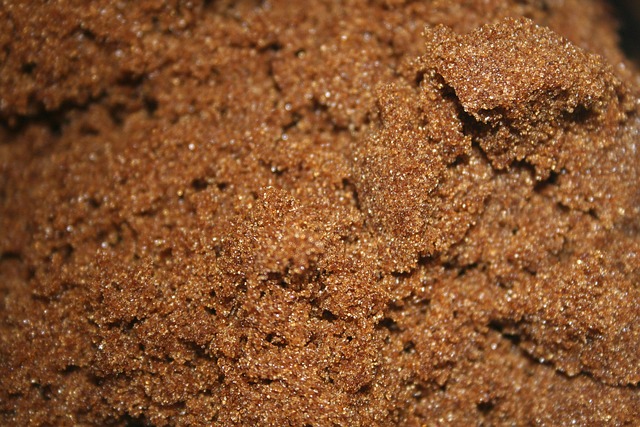
 Brown Sugar
Brown sugar isn't toxic to dogs — it's ordinary sugar plus a little molasses, so it's the same sugar story as white: empty calories, a dental and weight concern, not a poison. The molasses changes nothing meaningful for a dog. The one real catch is the opposite product: sugar-free 'keto' brown sugar substitutes, some of which use xylitol — which is genuinely dangerous. Regular brown sugar: a sugar treat. Sugar-free substitute: check the label.
Read full guide →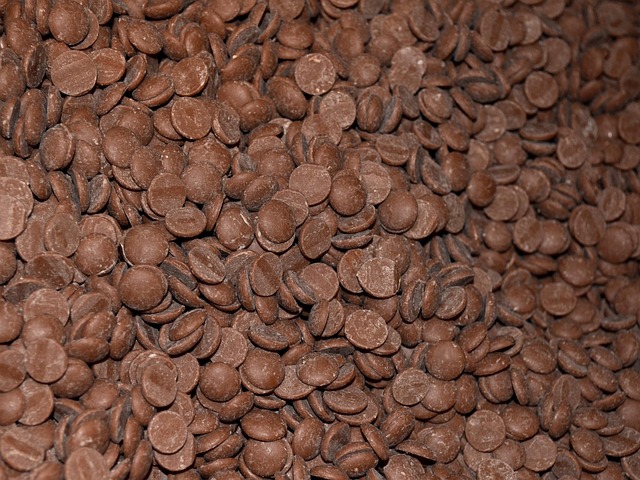 Toxic
Toxic Chocolate Chips
Chocolate chips look like a mild baking ingredient, but standard semi-sweet chips are dark-chocolate-tier — more theobromine per gram than a milk chocolate bar. They're small and easy to eat in quantity, so a dog into a bag of chips is a bigger exposure than most owners assume. See the chocolate hub for the full dose math.
Read full guide →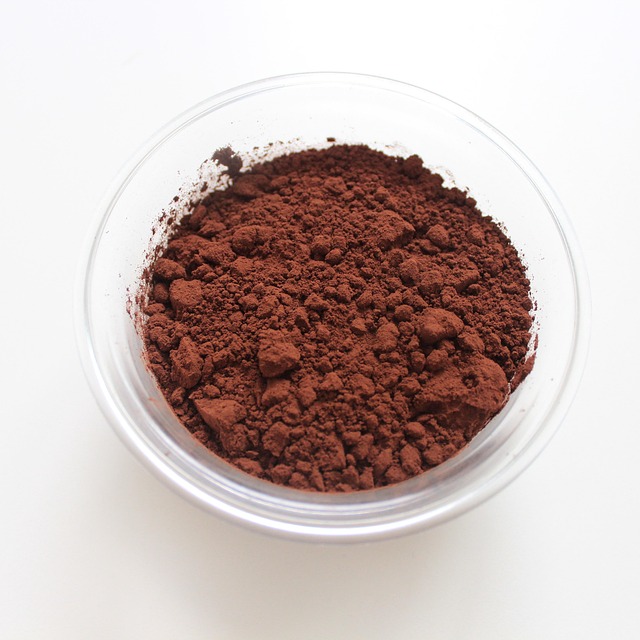 Toxic
Toxic Cocoa Powder
Cocoa powder is the most dangerous common chocolate form — ~807 mg of theobromine per ounce (~150 mg per tablespoon), roughly 12× a milk chocolate bar per gram. A couple of teaspoons can reach toxic signs in a small dog. See the chocolate hub for the full dose math.
Read full guide →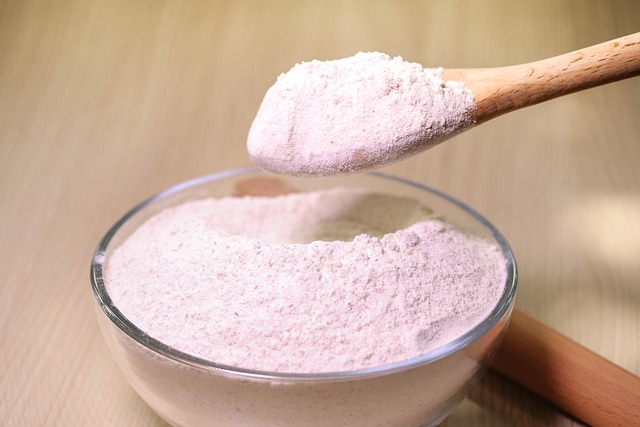 Caution
 Flour
Veterinary and pet-nutrition sources generally describe plain flour as non-toxic to dogs, but note potential risks related to digestion, allergies, and its role in raw dough products.
Read full guide → Caution
 Pancake Mix
Veterinary and pet-nutrition sources describe pancake mix as not inherently toxic to dogs but highlight risks related to added sugar, salt, leavening agents, and other ingredients commonly found in commercial mixes.
Read full guide →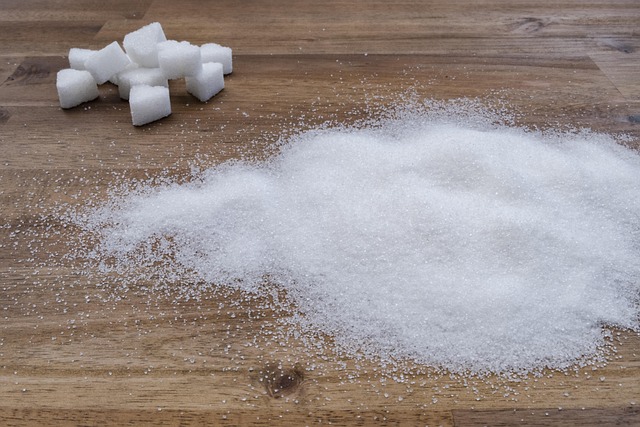 Caution
 Sugar
Sugar is not classified as toxic to dogs, but veterinary sources note concerns related to digestive upset, obesity, dental disease, and related health effects when consumed.
Read full guide → Toxic
Toxic Vanilla Extract
Vanilla extract is classified as unsafe for dogs because it contains high levels of alcohol, which veterinary toxicology sources list as toxic to dogs.
Read full guide →