Is Cocoa Powder Safe for Dogs?
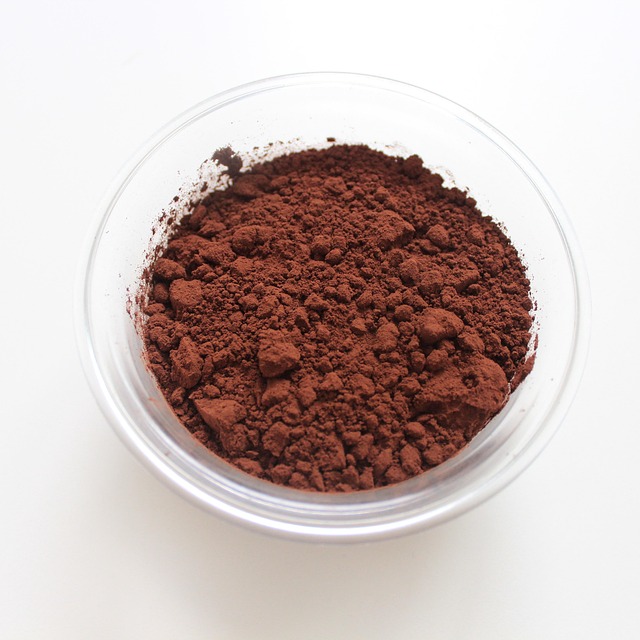
No — cocoa powder is the most concentrated common chocolate hazard in a kitchen. It’s essentially pure cocoa solids, which is where the theobromine lives, so gram for gram it’s far more dangerous than any chocolate bar. The mechanism is the standard chocolate toxicity covered on the chocolate hub; what matters here is the concentration.
The Most Concentrated Common Form
Cocoa powder carries about 28.5 mg/g of theobromine — roughly 807 mg per ounce, or ~150 mg per tablespoon (Merck). That’s around 12 times the theobromine of a milk chocolate bar by weight, and more than dark chocolate or baking chocolate.
Because it’s so concentrated, small amounts reach a toxic dose:
- A 10 kg (22 lb) dog reaches mild-toxicity signs (~200 mg theobromine) from a bit over a tablespoon.
- A 5 kg (11 lb) dog gets there from around two teaspoons.
And it’s a fine powder — easy for a dog to lick up from a spill, a dusted countertop, or an open tub, and easy to underestimate by volume. Unsweetened and “baking” cocoa are the most concentrated; see hot chocolate mix for the heavily-diluted drinking version, which is a very different dose. The chocolate hub has the full weight-by-weight table.
Where Dogs Encounter Cocoa Powder
- Baking — a spilled tub, a dusting on the counter, a licked bowl or whisk
- Recipes and mixes — brownie batter, frosting, chocolate sauces
- Cocoa mulch — garden mulch made from cocoa bean shells is high in theobromine and smells appealing to dogs; a genuine outdoor exposure worth knowing about
Symptoms & What To Do
Signs begin within 1–4 hours (not delayed for days like allium poisoning): vomiting, diarrhoea, restlessness, a racing heart; at higher doses tremors, seizures, and heart-rhythm changes.
Given how little cocoa powder it takes, treat any real ingestion as urgent — call your vet or a poison line with your dog’s weight and the amount (in teaspoons/tablespoons if you can estimate). Don’t wait for symptoms. Full dose math on the chocolate hub.
Frequently Asked Questions
This FAQ summarises general veterinary toxicology guidance. It’s informational only and not a substitute for advice from your own vet.
Is cocoa powder more dangerous than a chocolate bar?
Much more, by weight — it’s the most concentrated common form, around 12× a milk chocolate bar gram for gram. A couple of teaspoons can matter for a small dog, whereas the same dog would need to eat far more of a milk chocolate bar.
My dog licked up some spilled cocoa powder — should I worry?
Yes — because it’s so concentrated, even a small licked-up amount can be a real dose, especially for a small dog. Estimate the amount, note your dog’s weight, and call your vet or a poison line.
Is baking cocoa the same as hot chocolate mix?
No — and the difference is large. Baking/unsweetened cocoa powder is highly concentrated; hot chocolate mix is cocoa heavily diluted with sugar and milk powder, which puts it at roughly milk-chocolate level per gram. Don’t treat the two as equivalent.
About This Guide
This guide was researched and written by Claire Donnelly for Is It Safe For My Dog?. We are not veterinarians. Each guide is compiled from published, publicly accessible veterinary and toxicology sources — for this page, the ASPCA, the American Kennel Club, PetMD, and the Merck Veterinary Manual — and cross-checked before publication. For the full theobromine dose math, see the chocolate reference page. This is general information; it does not replace a consultation with your vet.
Sources for the figures on this page
- Merck Veterinary Manual — Chocolate Toxicosis in Animals (cocoa powder 28.5 mg/g / ~807 mg/oz theobromine — the most concentrated form listed; mild-signs threshold ~20 mg/kg; within-hours onset)
- ASPCA / AKC / PetMD — chocolate and cocoa classified toxic to dogs; cocoa powder highlighted as especially concentrated; clinical signs (ASPCA — People Foods to Avoid; AKC — Chocolate; PetMD — Chocolate)
- Per-tablespoon conversion — ~150 mg theobromine per tablespoon derived from Merck’s per-gram figure; cocoa mulch theobromine content from published horticultural/toxicology data, not a veterinary source
This page is informational only and does not constitute veterinary or medical advice.