Affiliate disclosure: This guide contains affiliate links. If you purchase via these links, we may earn a small commission at no extra cost to you. This never affects our safety assessments — see our Editorial Standards for how we work.
Recommendations on this page
- For training and travel: PAWUP Freeze-Dried Quail Egg Yolk Treats — single-ingredient egg yolk, a shelf-stable complement to fresh cooked eggs. View on Amazon →
- For preparedness: ARCA Pet First Aid Kit — a small investment for unexpected pet emergencies. View on Amazon →
- Further reading: The Forever Dog by Habib & Becker — a well-regarded reference on canine nutrition and longevity. View on Amazon →
Are Eggs Safe for Dogs?
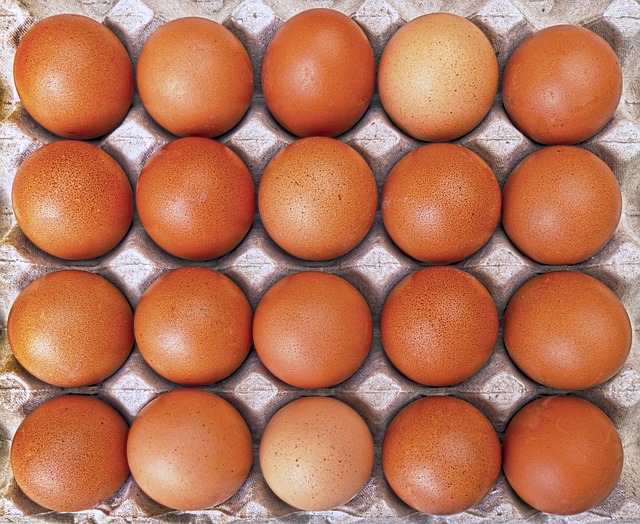
Yes — cooked, plain eggs are not just safe but genuinely good for dogs, and they are one of the simplest, most economical treats you can offer. The American Kennel Club describes eggs as a source of protein, fatty acids, and vitamins and minerals; PetMD calls the protein “high-quality, easy-to-digest.” Most dogs love them, and a little plain cooked egg makes an excellent food topper or training reward.
So this is not a “don’t feed your dog eggs” page. The honest picture is that eggs are good, with a small set of specific, well-defined cautions — none of which is a reason to avoid eggs, and all of which are easy to manage:
- Cook them. Raw eggs carry a low-but-real salmonella risk, and cooking removes it.
- Cook them plain. Oil, butter, salt, and especially onion or garlic in egg dishes are the real problems — far more than the egg itself.
- Keep them occasional. Eggs are nutritious but calorie-dense; they’re a treat, not a meal replacement.
The much-repeated “raw egg whites are dangerous” claim is mostly a theoretical concern that rarely matters in practice — covered in full below. The sections that follow take each point in turn.
Raw vs. Cooked: Cook Them
The single most useful rule for feeding eggs to dogs is to cook them. Doing so resolves the two raw-egg concerns at once — salmonella and avidin — which is why it is the standard veterinary recommendation. The AKC puts it plainly: “Most veterinarians recommend cooking eggs fully before feeding them to your dog.”
Salmonella — low but real, and cooking eliminates it
Raw eggs can carry Salmonella, the same bacterium of concern in raw eggs for people. PetMD notes that salmonella from raw eggs can cause vomiting, diarrhoea, and dehydration in dogs. The realistic risk from a single fresh commercial egg given to a healthy dog is low — but it is not zero, and it rises for puppies, senior dogs, and dogs with weakened immune systems. There is no downside to cooking and a clear upside, so cooking is the calibrated choice. Cooked egg, served plain, carries no salmonella risk at all.
(You may see the claim that dogs are immune to salmonella because of their stomach acidity. That overstates it: dogs are not a high-salmonella-illness species the way humans are, but they can carry and be affected by it, and they can shed it. The simple, defensible position is the one the veterinary sources take — cook the egg.)
Avidin and biotin — the concern that sounds bigger than it is
This is the claim that drives most of the “raw eggs are dangerous” content online, and it deserves an honest, calibrated answer.
Raw egg whites contain a protein called avidin. The Merck Veterinary Manual explains that “raw egg whites contain a glycoprotein called avidin that binds biotin and prevents its absorption in the GI tract.” Biotin is a B vitamin involved in skin, coat, and metabolic health, so in principle a diet heavy in raw egg whites could reduce biotin absorption over time.
In practice, this almost never happens. The same Merck source states directly: “Naturally occurring biotin deficiency is very rare in dogs and cats.” Producing an actual deficiency would require feeding large quantities of raw whites, consistently, over an extended period — not the occasional egg. Two facts make it even less of a concern: cooking denatures avidin entirely, neutralising the issue, and egg yolks are themselves a good source of biotin, so a whole egg partly offsets the white’s effect even before cooking. The takeaway: cook the egg and the question disappears; even raw, a normal amount is not a realistic deficiency risk.
Yolk vs. White
The two parts of an egg have different profiles, which is why “feed the whole cooked egg” is better advice than feeding either part raw on its own:
- Yolk — where the fat, calories, and most of the fat-soluble vitamins sit, along with biotin. Nutrient-dense, but the part to account for when watching calories or fat.
- White — almost pure protein, and the part that contains avidin when raw.
A whole, cooked egg gives you the protein and the nutrients without the raw-white avidin concern. There is no need to separate them, and no benefit to feeding raw whites alone — that is the one combination that maximises the avidin issue while adding the least.
How to Cook Eggs for Dogs
Preparation matters more than most owners expect, because the additions are usually a bigger deal than the egg. The AKC’s guidance is to “cook or boil eggs plain, without oil, butter, salt, seasoning, spices, or other additives.”
- Boiled, poached, or plain scrambled (no butter, oil, milk, or salt) are all good options.
- Fried eggs add cooking fat — not toxic, but unnecessary calories and fat load. See butter for the dairy-fat picture.
- Salt and seasonings are best left out entirely; see salt.
- The real hazard in egg dishes is allium. Omelettes, frittatas, and many breakfast scrambles contain onion or garlic — genuine toxins for dogs that cause oxidative red-blood-cell damage. A plain egg is fine; an onion-and-cheese omelette is a different question, and the onion is the reason. If a dog eats an egg dish containing onion or garlic in any quantity, that is the concern to act on.
For other protein toppers, plain cooked chicken follows the same “plain and unseasoned” logic.
How Many Eggs Can a Dog Eat?
Eggs are nutritious but calorie-dense, so they are a treat, not a staple. The standard guideline is the 10% rule: treats — eggs included — should make up no more than 10% of a dog’s daily calories, with the rest coming from a complete, balanced diet.
PetMD offers a practical per-size starting point, fed roughly once or twice a week:
| Dog size | Rough serving | Frequency |
|---|---|---|
| Extra-small (toy breeds) | ~¼ egg | 1–2× / week |
| Small | ~½ egg | 1–2× / week |
| Medium | ~¾–1 egg | 1–2× / week |
| Large | ~1–1½ eggs | 1–2× / week |
| Extra-large | up to ~2 eggs | 1–2× / week |
These are starting points, not prescriptions — a smaller, less active, or overweight dog needs less. Introduce eggs gradually the first time, as you would any new food, and watch for digestive upset. For dogs that tolerate dairy poorly, note that eggs are not dairy despite often sharing the fridge shelf — see milk, cheese, and yogurt for those.
Eggshells as a Calcium Source
A popular piece of folk wisdom is to grind eggshells into a powder and use them as a calcium supplement. The underlying claim is true — eggshell is largely calcium carbonate — but the practical picture needs care:
- Sharp edges. The AKC warns that egg shells “have sharp edges that can hurt your dog’s throat or internal organs.” A shell fed in pieces is a hazard; only a finely ground powder avoids this.
- Dosing is imprecise. Getting the calcium amount right matters, especially for growing puppies, and homemade eggshell powder is hard to dose accurately.
- Use vet guidance. PetMD frames eggshell calcium as something to do under veterinary direction, not freelance.
For a dog on a complete, balanced commercial diet, no calcium supplement is needed — the diet already provides it, and adding more can do harm. Eggshell powder is really only relevant to home-prepared diets being balanced with a vet or veterinary nutritionist. For most owners, this is a “don’t bother” rather than a “do this.”
Symptoms to Watch For
Plain cooked eggs rarely cause problems. The signs below relate to the specific scenarios above.
Digestive upset (too much, too rich, or a sensitive dog):
- Vomiting, diarrhoea, gas
- Usually mild and self-limiting
Salmonella (raw egg, more likely in puppies, seniors, or immunocompromised dogs):
- Vomiting, diarrhoea, dehydration
- Lethargy, fever, reduced appetite
- Contact your vet if signs are significant or persistent
Allium toxicity (if the egg dish contained onion or garlic):
- Onset often delayed 3–5 days — the dog may seem fine initially
- Lethargy, weakness, pale or yellowish gums, dark urine
- This warrants a vet call — see onions and garlic; do not wait for symptoms
For preparedness
ARCA Pet First Aid Kit
For households where pet emergencies are infrequent enough that response time matters, a first aid kit on hand is a small investment in preparedness — wound care, bandaging, and a reference for situations that don't require an emergency clinic but do require immediate response.
View on Amazon →What To Do
Your dog ate plain cooked egg: No concern — that’s the recommended way to feed it. Keep total treats within the 10% rule.
Your dog ate a raw egg: Low concern for a healthy adult dog. Watch for digestive upset over the next day or two and keep water available. For a puppy, senior, or immunocompromised dog, or if significant GI signs develop, call your vet.
Your dog ate an egg dish with onion or garlic (omelette, quiche, fried rice): This is the scenario that warrants attention. Note how much and what was in it, and call your vet — allium toxicity has a delayed onset and is the real hazard here, not the egg.
Your dog ate eggshell pieces: Usually passes without issue, but the sharp edges are a minor risk. Watch for any mouth discomfort, retching, or digestive upset, and call your vet if you see them — particularly in a small dog.
A Convenient Egg Treat for Training and Travel
For training and travel
PAWUP Freeze-Dried Quail Egg Yolk Treats
Plain cooked eggs are the simplest and most economical option, and the primary recommendation of this page. Freeze-dried egg treats are a shelf-stable complement for training sessions away from home, travel, or any time preparing fresh eggs isn't practical. A single-ingredient egg-yolk version delivers the protein and nutrient profile of an egg in a portable, mess-free form — useful as a high-value reward, not a replacement for the real thing.
View on Amazon →Frequently Asked Questions
This FAQ summarises general veterinary guidance. It’s informational only and not a substitute for advice from your own vet, who knows your dog.
Why does the internet say raw egg whites are dangerous?
Because of avidin — a protein in raw egg whites that binds the B vitamin biotin and blocks its absorption. The concern is real in principle, but it is widely overstated for realistic feeding. The Merck Veterinary Manual states that naturally occurring biotin deficiency is “very rare” in dogs, and producing one would take large amounts of raw egg white fed consistently over a long period. Two things settle it: cooking destroys avidin completely, and egg yolks supply biotin themselves. An occasional egg — and certainly any cooked egg — is not a biotin problem.
Can dogs eat raw eggs?
They can, and a single raw egg is unlikely to harm a healthy adult dog — but the calibrated advice is to cook them. Cooking removes the low-but-real salmonella risk and the avidin concern in one step, with no downside. If you do feed raw, use fresh eggs and be more cautious with puppies, senior dogs, and dogs with weakened immune systems.
Are scrambled eggs okay for dogs?
Yes, if they’re plain — cooked with no butter, oil, milk, salt, or seasoning. The egg itself is fine; the additions are what cause problems. Skip anything with onion or garlic entirely.
How many eggs can my dog have?
Follow the 10% rule — eggs and other treats together shouldn’t exceed 10% of daily calories. As a rough guide, that’s around a quarter of an egg for a toy breed up to about two eggs for a very large dog, once or twice a week. Smaller, less active, or overweight dogs need less.
Are eggs good for a dog’s coat?
Eggs provide protein and fatty acids that support skin and coat condition, which is the kernel of truth behind the “eggs for a shiny coat” idea. Cooked eggs in moderation are a reasonable contributor — just not a cure-all, and not a reason to overfeed a calorie-dense food.
Can puppies eat eggs?
Yes, cooked and plain, in small amounts appropriate to their size. Because puppies are more vulnerable to foodborne bacteria, cooking matters more for them, not less — skip raw eggs for puppies.
About This Guide
This guide was researched and written by Claire Donnelly for Is It Safe For My Dog?. We are not veterinarians. Each guide is compiled from published, publicly accessible veterinary and pet-nutrition sources — for this page, the American Kennel Club, the Merck Veterinary Manual, PetMD, and the ASPCA — and cross-checked before publication. This is general information to help you understand the risk; it does not replace a consultation with your vet.
A note on sources and this revision: The previous version of this page cited a Veterinary Centers of America (VCA) article on eggs and dogs. That URL is no longer live, and our verification could not locate a current replacement page from VCA on this topic. This rewrite draws the avidin/biotin calibration from the Merck Veterinary Manual instead, which addresses the question more directly and authoritatively.
Sources for the figures on this page
- American Kennel Club — Can Dogs Eat Eggs? (“Most veterinarians recommend cooking eggs fully before feeding them to your dog”; eggs as a source of protein, fatty acids, and vitamins/minerals; raw egg whites contain avidin which interferes with biotin absorption; egg shells “have sharp edges that can hurt your dog’s throat or internal organs”; “cook or boil eggs plain, without oil, butter, salt, seasoning, spices, or other additives”)
- Merck Veterinary Manual — Nutritional Requirements and Related Diseases of Small Animals (“raw egg whites contain a glycoprotein called avidin that binds biotin and prevents its absorption in the GI tract”; “naturally occurring biotin deficiency is very rare in dogs and cats”; egg yolks noted as a good biotin source; applied here as the primary source for the avidin/biotin calibration)
- PetMD — Can Dogs Eat Eggs? (cooked eggs safe in moderation; high-quality, easy-to-digest protein; raw eggs can carry salmonella causing vomiting, diarrhoea, dehydration; avidin binds biotin “when fed regularly”; eggshell calcium under veterinary guidance; the 10% treat rule and a per-size serving guide of roughly ¼ egg for extra-small dogs up to 2 eggs for extra-large dogs, fed 1–2 times weekly; cook plain, no salt/butter/oil)
- ASPCA — People Foods to Avoid Feeding Your Pets (eggs are not listed among toxic people-foods, supporting their non-toxic status; onion and garlic identified as allium toxins, applied here to onion/garlic-containing egg dishes)
This page is informational only and does not constitute veterinary or medical advice.