Affiliate disclosure: This guide contains affiliate links. If you purchase via these links, we may earn a small commission at no extra cost to you. This never affects our safety assessments — see our Editorial Standards for how we work.
Recommendations on this page
- A dog-safe treat instead: The Honest Kitchen Bone Broth Bites — a human-grade dog treat made with real bone broth, no lactose or added sugar. View on Amazon →
- For preparedness: ARCA Pet First Aid Kit — a small investment for unexpected pet emergencies. View on Amazon →
- Further reading: The Forever Dog by Habib & Becker — a well-regarded reference on canine nutrition and longevity. View on Amazon →
Is Milk Safe for Dogs?
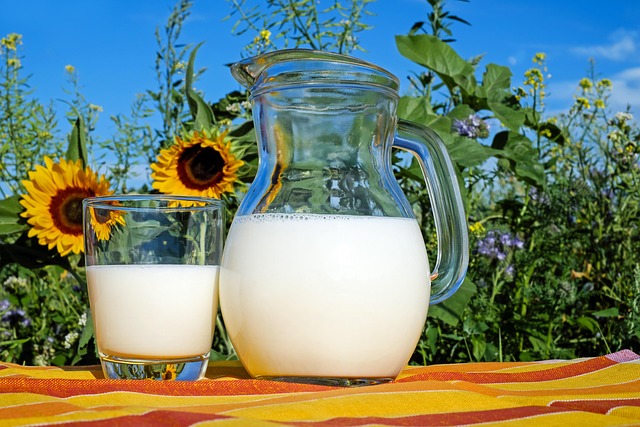
Milk isn’t toxic to dogs — but it’s the food in the dairy family that dogs handle worst, and it’s worth understanding why. Milk is unfermented, which makes it the highest-lactose option in a progression that gets gentler as you go: milk → yogurt → Greek yogurt. Yogurt is partially fermented (some lactose already broken down); Greek yogurt is strained on top of that (lower again). Plain milk sits at the high end, which is why “can dogs drink milk?” has a more cautious answer than “can dogs eat yogurt?”
The honest calibration:
- Lactose is the lead concern, and tolerance is individual. Most adult dogs produce less lactase than they did as puppies, but the degree varies a lot — some dogs handle a splash of milk fine, others don’t.
- Milk type matters less than people think for lactose (whole vs. skim is mostly a fat difference), with lactose-free milk the one genuinely gentler option.
- Goat’s milk is not the special dog-friendly milk it’s marketed as.
- Plant milks are fine plain, but sweetened, chocolate, and (rarely) xylitol-containing versions are the real concerns.
- Puppies are a separate case — they need dog-specific formula, not any cow’s or goat’s milk.
This page is the anchor of a small dairy cluster; see its siblings yogurt and evaporated milk for those specific products.
Lactose: It’s Individual — and Milk Is the High-Lactose Case
The single most useful thing to know is that there’s no one answer — it depends on your dog. The AKC’s verdict on milk is a frank “maybe,” to be given “only in moderation,” noting that “many canines are lactose intolerant.” PetMD is blunter still: milk “carries more risks than benefits for the average dog,” and some dogs react whatever the amount.
Because milk is the highest-lactose dairy option, it’s the most likely of the three cluster foods to cause trouble. The practical approach is the same test-and-observe discipline that works for yogurt: offer a very small amount once, and watch for a few hours. A dog that’s fine afterward tolerates it; a dog that gets gas, loose stools, or an unsettled stomach doesn’t — and there’s no need to try again. This is low-stakes precisely because the signal is quick and the consequence (temporary GI upset) is mild, not dangerous.
How much, if your dog tolerates it: small and occasional. The AKC’s concrete guidance is that “a few tablespoons of cow’s milk or goat’s milk on an occasional basis can be a nice reward” — but not “an entire bowl in one sitting.” Milk is also calorie-dense, so it counts toward the treat budget, not the meal.
Milk Types: Whole, Skim, and Lactose-Free
For the everyday reader question — which milk is best (or least bad):
- Whole vs. 2% vs. skim. The main difference between these is fat, not lactose — the lactose content is roughly comparable across them. Skim is lower in fat and calories, but it carries essentially the same lactose load, so it isn’t meaningfully easier on a lactose-intolerant dog. Whole milk adds more fat (see the fat note below).
- Lactose-free cow’s milk (e.g. Lactaid). This is the one genuinely gentler option: the lactose has been broken down with added lactase, so the main trigger is largely removed. It’s a reasonable choice for a dog that loves a splash of milk but doesn’t tolerate the regular kind. It still contains milk sugars, fat, and calories, though — “gentler” isn’t “necessary,” and it’s still a treat, not a food.
Goat’s Milk
Goat’s milk gets marketed — especially in raw-feeding circles — as the dog-friendly milk. The honest picture is more modest.
Goat’s milk is modestly lower in lactose than cow’s milk, and its fat globules are somewhat smaller, which is where the “easier to digest” claim comes from. But it is not fundamentally different: it still contains meaningful lactose, and a lactose-intolerant dog can still react to it. The AKC treats goat’s milk and cow’s milk the same way — a few tablespoons as an occasional reward. There’s no veterinary basis for treating goat’s milk as a special health food for dogs, and we’re not going to imply one. If your dog tolerates dairy, goat’s milk is a fine occasional option; if it doesn’t, goat’s milk won’t rescue that. Same rules as cow’s milk.
Plant-Based Milks
Plant milks (almond, oat, soy, coconut) contain no lactose, which removes the lead concern — but “no lactose” doesn’t automatically mean “good for dogs,” and lumping all plant milks together as safe alternatives (as a lot of online content does) misses the real distinctions.
- Plain, unsweetened plant milk in small amounts is generally fine for most dogs. See the dedicated pages for almond milk, soy milk, and coconut milk; oat milk follows the same logic (a little plain, unsweetened oat milk is fine, though it’s higher in carbohydrates).
- Sweetened and vanilla versions are the everyday concern. These add sugar and calories, which is the practical reason to reach for unsweetened. PetMD also notes plant milks are “relatively high in calories and fat” — not something a dog needs.
- Chocolate almond/oat milk carries the chocolate hazard. Chocolate is genuinely toxic to dogs; a chocolate-flavoured plant milk is a separate and more serious concern than plain.
- Xylitol is rare in mainstream plant milk, but read the label. Some flavoured or “sugar-free” products could use it, and if present it’s an emergency (see the meta-honesty FAQ and the xylitol and peanut butter pages). But like sugar-free yogurt, mainstream plant milks generally aren’t sweetened with xylitol — the five-second label check is cheap insurance, not a reason to assume the worst.
Dog-safe bone-broth treat
The Honest Kitchen Bone Broth Bites
For dogs who enjoy something flavourful but don't tolerate milk well, a bone-broth dog treat is a safer indulgence — no lactose, no added sugars, and made without ingredients that concern dogs. This is a page-and-audience fit rather than a nutritional substitute for milk specifically; the primary recommendation of this page stays simple — small amounts of plain milk if your dog tolerates it, otherwise skip.
View on Amazon →Puppies: Cow’s Milk Is Not Puppy Milk
This is the one part of the milk question with a firm answer. Puppies should not be given cow’s milk or goat’s milk as a substitute for their mother’s milk or a proper formula. PetMD is direct: “Puppies should not be offered other milks, such as cow milk or goat milk, which are not created with dogs in mind and may be too rich in some components and deficient in others.” Only a dog-specific milk replacer is appropriate.
If you’re caring for a puppy that can’t nurse, the evaporated milk page covers the dog-formulated puppy milk replacer (PetAg Esbilac) that’s the correct product for that scenario — not any milk from the grocery dairy aisle.
Raw (Unpasteurised) Milk
Raw milk is sometimes promoted as more “natural” for dogs. It isn’t a solution to anything here: it contains the same lactose as pasteurised milk, so it doesn’t help the lead concern — and it adds the risk of bacterial contamination (Salmonella, Listeria, E. coli, and others) that pasteurisation exists to remove. That’s the same raw-versus-cooked/pasteurised logic covered on the eggs page. There’s no offsetting benefit that makes the added pathogen risk worthwhile. If you’re giving milk at all, pasteurised is the sensible choice.
A Note on Fat
Whole milk and cream add fat, and both the AKC and PetMD flag that too much dietary fat can contribute to obesity and pancreatitis. At the small, occasional quantities appropriate for milk anyway, fat isn’t the lead concern — lactose is — but it’s a reason to prefer lower-fat options for dogs prone to pancreatitis. The detailed fat-and-pancreatitis picture is on the bacon page. (Kefir, a closely related fermented-milk drink, is often lower in lactose than milk and follows the same general rules; we may give it a dedicated page later.)
Symptoms to Watch For
Lactose intolerance (the common case) — usually within a few hours:
- Gas, bloating
- Loose stools or diarrhoea
- Stomach gurgling or discomfort, sometimes vomiting
- Mild and self-limiting; resolves as it clears the gut. Stop offering milk if it appears.
Chocolate (chocolate-flavoured plant milk) or xylitol (if a sweetened product contained it) — treat as urgent:
- Chocolate: vomiting, restlessness, elevated heart rate, tremors — call your vet; see chocolate
- Xylitol: weakness, unsteadiness, vomiting, collapse, seizures — a veterinary emergency; call your vet immediately; see xylitol
For preparedness
ARCA Pet First Aid Kit
For households where pet emergencies are infrequent enough that response time matters, a first aid kit on hand is a small investment in preparedness — wound care, bandaging, and a reference for situations that don't require an emergency clinic but do require immediate response.
View on Amazon →What To Do
Dog drank a small amount of plain milk: Low concern. Watch for GI upset over the next few hours, especially the first time. Keep total treats within about 10% of daily calories.
Dog got gassy or loose after milk: Lactose intolerance, most likely. It’s self-limiting — make water available and let it pass. Don’t offer milk again; your dog has told you it’s not for them.
Dog drank a large amount (a whole bowl): Expect GI upset from the lactose, and monitor a fat-sensitive or pancreatitis-prone dog more closely. Call your vet if symptoms are severe or persistent.
Dog drank chocolate-flavoured or sweetened plant milk: Check the label. Chocolate → call your vet (chocolate). Xylitol or “birch sugar” → treat as an emergency and call your vet immediately (xylitol).
A puppy was given cow’s or goat’s milk: A one-off small amount usually just risks GI upset, but it’s not appropriate nutrition — switch to a dog-specific puppy milk replacer (evaporated milk covers this) and check with your vet for a young or unwell puppy.
Frequently Asked Questions
This FAQ summarises general veterinary guidance. It’s informational only and not a substitute for advice from your own vet, who knows your dog.
Can dogs drink milk?
Some can, some can’t — it’s individual. Milk isn’t toxic, but it’s the highest-lactose dairy food, and many adult dogs are lactose intolerant to some degree. A few tablespoons of plain milk is a fine occasional treat for a dog that tolerates it; for a dog that doesn’t, it means gas and loose stools. Test with a small amount and watch the response.
Is goat’s milk better for dogs than cow’s milk?
Only marginally. Goat’s milk is modestly lower in lactose, but it’s not the special dog-friendly milk it’s often marketed as — it still contains lactose, and a lactose-intolerant dog can still react. Veterinary guidance treats it the same as cow’s milk: small amounts, occasionally, if your dog tolerates dairy at all.
Is almond milk (or oat/soy milk) safe for dogs?
Plain, unsweetened plant milk is generally fine in small amounts, since it has no lactose. The concerns are the add-ons: sweetened and vanilla versions carry added sugar, chocolate versions carry the chocolate hazard, and you should read the label for xylitol. See our almond milk, soy milk, and coconut milk pages.
Why does the internet say plant milks are risky because of xylitol?
Because xylitol is genuinely dangerous to dogs, so “check sugar-free products for xylitol” is sound general advice — but it’s outrun the actual products in this category. Mainstream plant milks are unsweetened or sweetened with sugar, not xylitol; it’s not a standard plant-milk sweetener. The honest takeaway is the same as for sugar-free yogurt: read the ingredient list so you’d catch xylitol if it ever appeared, but don’t assume a plant milk contains it, because in this category they generally don’t.
Can puppies drink cow’s milk?
No. Puppies need their mother’s milk or a dog-specific milk replacer — cow’s and goat’s milk aren’t formulated for them and can be too rich or nutritionally incomplete. See the evaporated milk page for the correct puppy-formula option.
For further reading
The Forever Dog by Rodney Habib and Karen Becker
A well-regarded reference covering canine nutrition, health, and longevity — for dog owners interested in a deeper look at the choices behind their dog's diet and lifestyle.
View on Amazon →About This Guide
This guide was researched and written by Claire Donnelly for Is It Safe For My Dog?. We are not veterinarians. Each guide is compiled from published, publicly accessible veterinary and pet-nutrition sources — for this page, the American Kennel Club, PetMD, VCA Hospitals, and the ASPCA — and cross-checked before publication. This is general information to help you understand the risk; it does not replace a consultation with your vet.
Sources for the figures on this page
- American Kennel Club — Can Dogs Drink Milk? (milk conditionally acceptable “in moderation”; “many canines are lactose intolerant”; “a few tablespoons of cow’s milk or goat’s milk on an occasional basis can be a nice reward” but not “an entire bowl in one sitting”; high fat and natural sugars linked to obesity and pancreatitis; applied here for the lactose calibration, quantity guidance, and goat’s-milk treatment)
- PetMD — Can Dogs Drink Milk? (milk “carries more risks than benefits for the average dog”; lactase declines with age and some dogs react regardless of amount; plant-based milks “relatively high in calories and fat” and may contain added sugars or sweeteners “such as xylitol”; “puppies should not be offered other milks, such as cow milk or goat milk… only dog-specific formulas”; applied here for the individual-variation, plant-milk, and puppy points)
- VCA Hospitals — Xylitol Toxicity in Dogs (xylitol mechanism: rapid insulin release causing hypoglycaemia, with risk of liver failure at higher doses; clinical signs; applied here as the Emergency-tier reference for xylitol in sweetened plant milks)
- ASPCA — People Foods to Avoid Feeding Your Pets (dairy noted as a cause of digestive upset due to limited lactase in pets; xylitol identified among sweeteners toxic to pets; applied here as the framework source for the lactose and sweetener concerns)
- Lactose progression and plant-milk sweeteners — milk (unfermented, highest lactose) → yogurt (partially fermented) → Greek yogurt (strained, lowest); lactose-free cow’s milk treated with added lactase; mainstream plant milks sweetened with sugar or unsweetened rather than xylitol as of mid-2026; based on standard product composition, with the individual product label the authority on any specific item
This page is informational only and does not constitute veterinary or medical advice.