 Caution
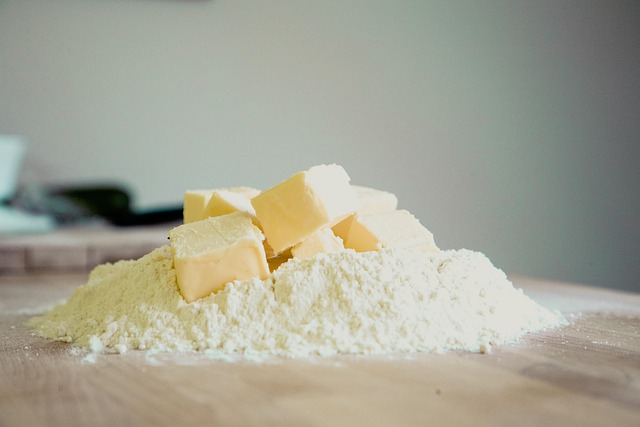
 Butter
Veterinary pet-nutrition sources state that butter is not toxic to dogs, but it is very high in fat and dairy components that are commonly linked to digestive upset and other health concerns.
Read full guide →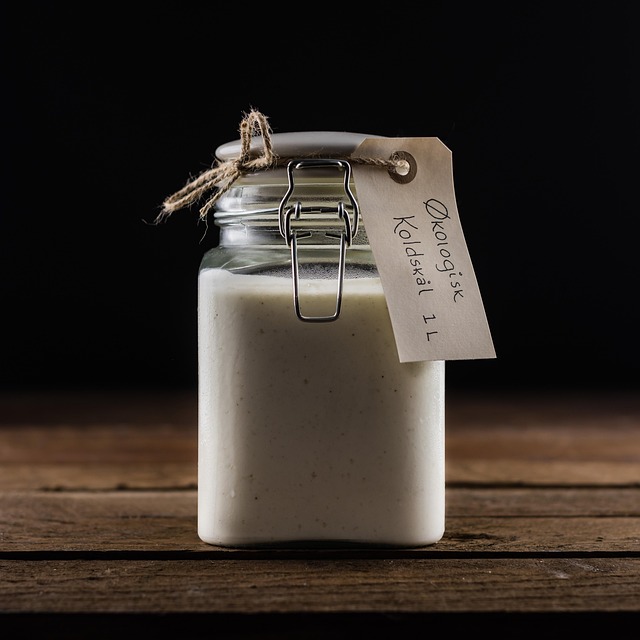 Caution
 Buttermilk
Despite the name, store buttermilk isn't rich — it's cultured low-fat milk, and one of the gentler dairy options for dogs: the lowest fat in the dairy cluster and less lactose than plain milk. It isn't toxic, and a small amount is low-concern for most dogs. The honest caveats are that lactose tolerance is still individual, buttermilk is saltier than milk, and the ranch dressing people make with it brings garlic and onion powder — though that's the dressing, not the buttermilk.
Read full guide →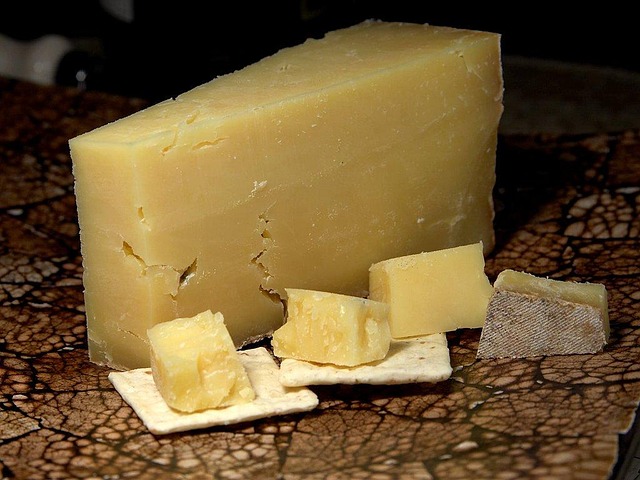 Caution
 Cheddar Cheese
Veterinary pet-care sources state that cheddar cheese is not toxic to dogs, but it is high in fat and contains lactose, which may cause digestive upset and other health concerns in some dogs.
Read full guide → Caution
 Cheese Slices
Veterinary pet-care sources state that cheese is not toxic to dogs, but processed cheese slices are high in fat, salt, and additives that may increase the risk of digestive upset and other health concerns.
Read full guide →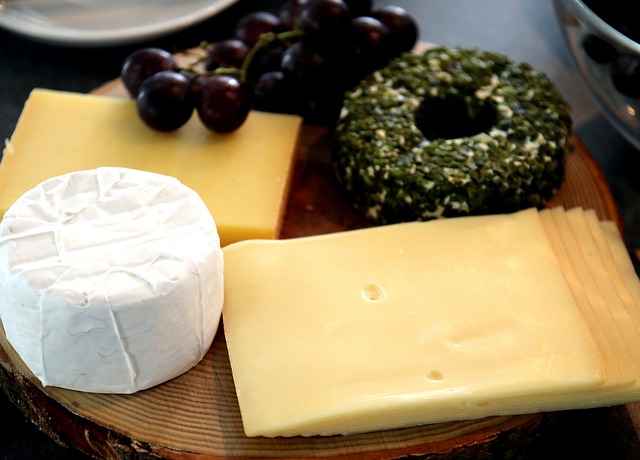 Caution
 Cheese
Veterinary organisations note that many dogs can eat small amounts of plain cheese, but concerns include lactose intolerance, high fat content, and added seasonings.
Read full guide →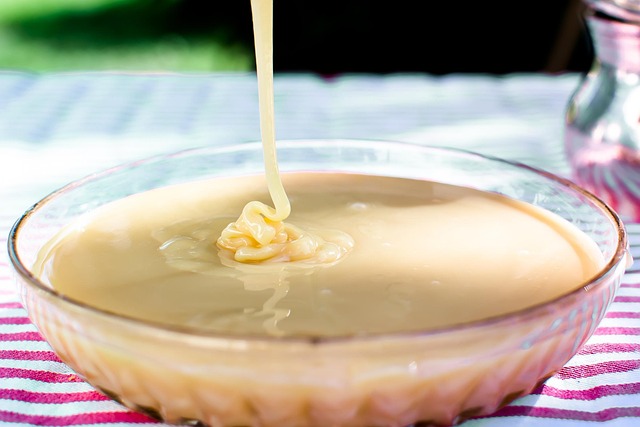 Caution
 Condensed Milk
Veterinary pet-care sources state that condensed milk is not toxic to dogs, but it contains very high levels of sugar and lactose, which are commonly associated with digestive upset and other health concerns.
Read full guide →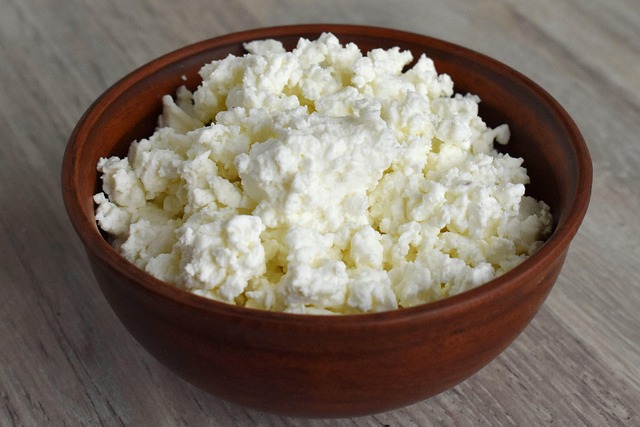 Caution
 Cottage Cheese
Veterinary pet-care sources state that cottage cheese is not toxic to dogs, but its lactose and sodium content may cause digestive upset in some dogs.
Read full guide →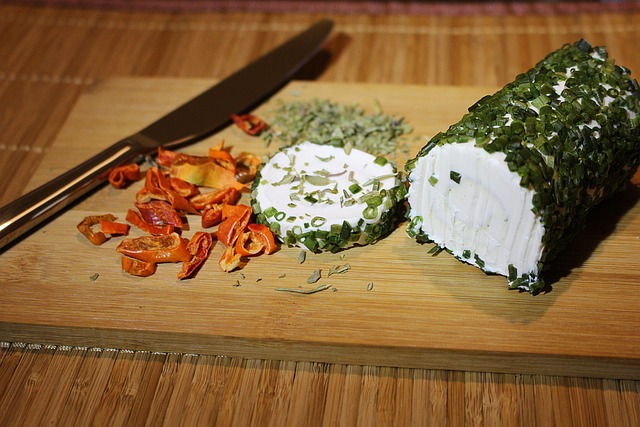 Caution
 Cream Cheese
Veterinary pet-care sources state that cream cheese is not toxic to dogs, but its lactose, fat, and sodium content may lead to digestive upset in some dogs.
Read full guide →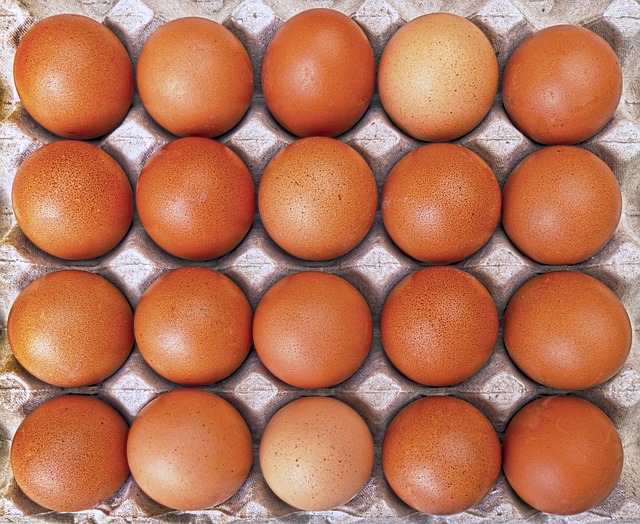 Caution
 Eggs
Cooked, plain eggs are one of the best simple foods you can give a dog — high-quality protein and a long track record. The cautions are narrow and specific: raw eggs carry a low-but-real salmonella risk, raw egg whites contain avidin (a biotin concern that is real but rare in practice), and how the egg is cooked matters more than most people think. This page calibrates each one.
Read full guide → Caution
 Evaporated Milk
Evaporated milk is not toxic to dogs, but its concentrated lactose and fat content make GI upset likely in many dogs — and the fat load raises pancreatitis risk at larger quantities. No nutritional reason to give it.
Read full guide →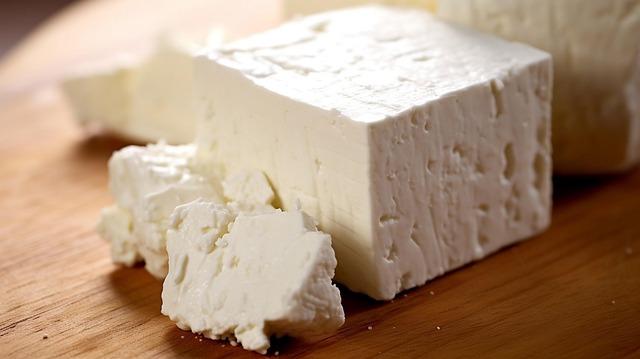 Caution
 Feta Cheese
Feta isn't toxic to dogs, but it sits at the salty end of the dairy family — a brined cheese at roughly 312 mg sodium an ounce, in the same league as ricotta salata and about three times as salty as milk. Salt is the real concern, not lactose (feta is actually fairly low in it). Two extras worth knowing: garlic-herb feta is a genuine garlic exposure, and the red onion in a Greek salad is another.
Read full guide →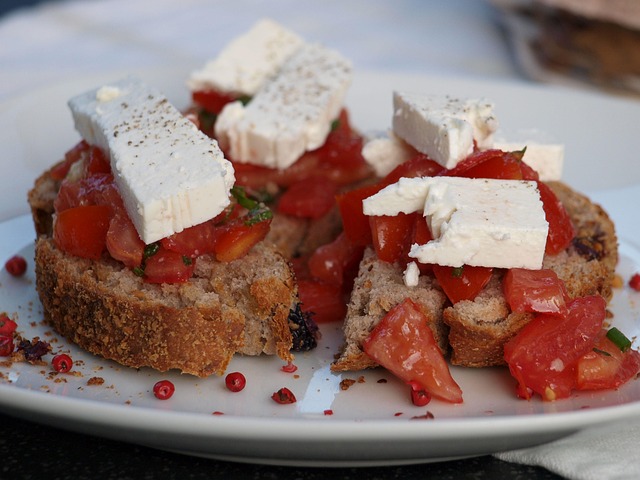 Caution
 Goat Cheese
Veterinary and pet-nutrition sources generally describe cheese as non-toxic to dogs, but note risks related to lactose, fat, and salt content, which can vary by type, including goat cheese.
Read full guide → Caution
 Ice Cream
Veterinary and pet-nutrition sources generally describe ice cream as non-toxic to dogs, but note risks related to lactose intolerance, high sugar and fat content, and potentially toxic flavour ingredients.
Read full guide → Caution
 Milk
Milk isn't toxic to dogs, but it's the highest-lactose member of the dairy cluster — so tolerance is genuinely individual, and many adult dogs get GI upset from it. Goat's milk isn't the special dog-friendly option it's marketed as; plant milks are fine unsweetened but carry sugar, chocolate, and rare-but-serious xylitol concerns in flavoured versions. This page calibrates each.
Read full guide →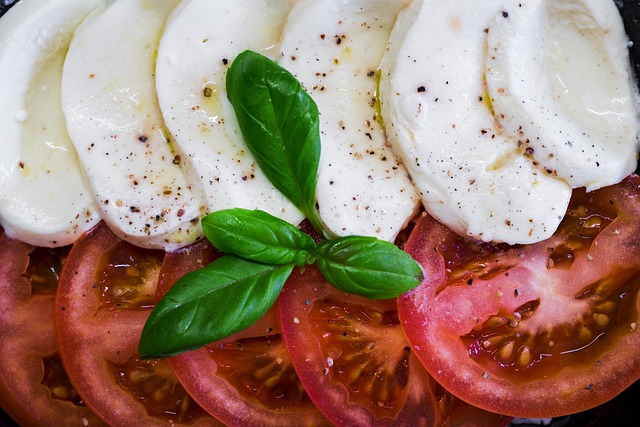 Caution
 Mozzarella
Veterinary and pet-nutrition sources describe mozzarella as non-toxic to dogs, but note concerns related to lactose intolerance, fat content, and salt, particularly in larger amounts or processed forms.
Read full guide →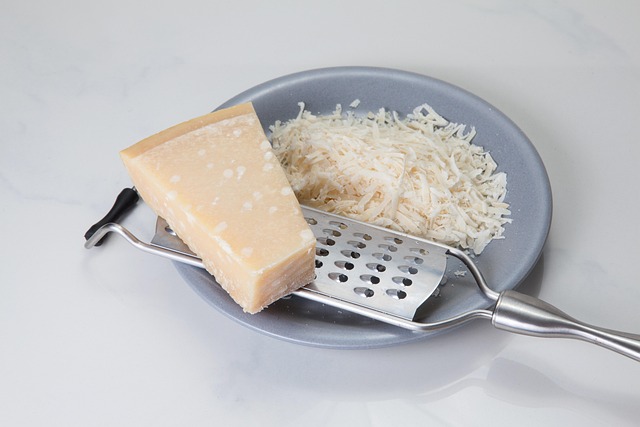 Caution
 Parmesan Cheese
Parmesan is nearly lactose-free like other aged cheeses, so that's not the issue. What sets it apart is salt: at around 1,529 mg of sodium per 100 g, it's the saltiest cheese we've calibrated — above feta. A sprinkle over food is genuinely low-risk, but that's a cooking habit, not a property of the cheese; a dog that gets a chunk or a bowl of shredded parmesan is a real salt-and-fat load. Plus a distinct hazard: the rock-hard rind.
Read full guide →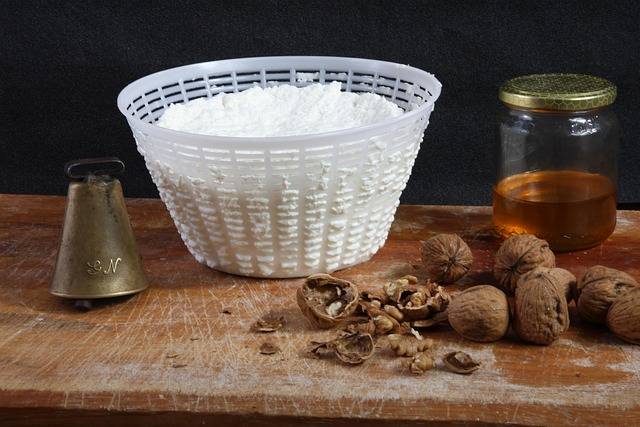 Caution
 Ricotta Cheese
Yes — plain ricotta isn't toxic, and it's one of the gentler dairy options for dogs: low in lactose, lower in fat than most cheese, so a small spoonful is fine for most dogs. The real cautions are the salty aged 'ricotta salata', the sugar in sweet ricotta desserts, and the fat, salt, and garlic in the lasagna and stuffed shells ricotta usually turns up in.
Read full guide →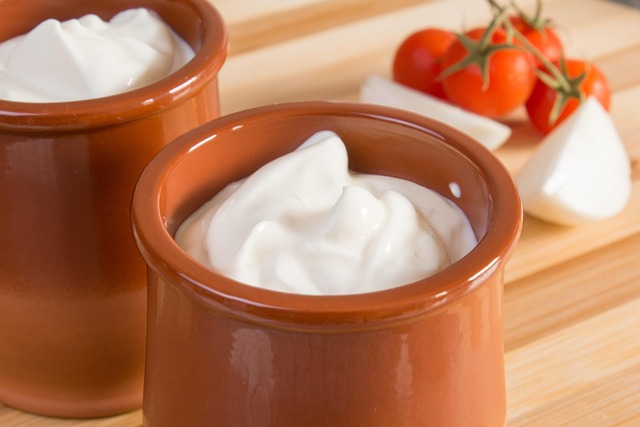 Caution
 Sour Cream
Plain sour cream isn't toxic to dogs — it's a fat-and-lactose question, and a dollop is minor. But flavoured sour cream is a different story: French onion dip and sour-cream-and-onion or -chive dips contain concentrated onion and garlic powder, which are genuinely toxic to dogs. Plain = fat/lactose; flavoured = allium.
Read full guide →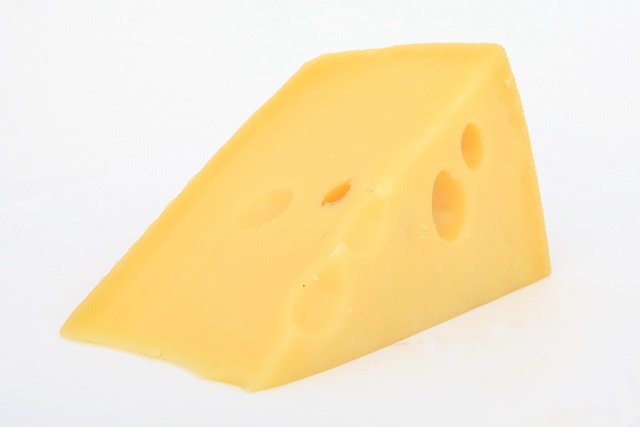 Caution
 Swiss Cheese
Swiss cheese is one of the better-tolerated cheeses for dogs on the two axes that usually cause trouble: it's an aged cheese with almost no lactose, and it's genuinely low in sodium — far below feta. It stays a Caution for one reason that stands on its own: like most cheese, it's high in fat (~30%), and fat is a real pancreatitis trigger. Gentle on lactose and salt doesn't cancel that out.
Read full guide → Caution
 Whipped Cream
Whipped cream is not considered toxic to dogs, but veterinary sources note concerns related to lactose intolerance, high fat content, and added sugar.
Read full guide →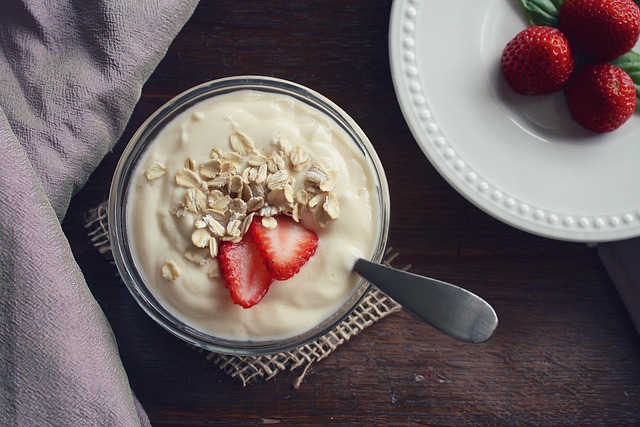 Caution
 Yogurt
Plain, unsweetened yogurt is fine for many dogs in small amounts — but tolerance is genuinely individual, and some dogs get GI upset from the lactose. The everyday concern is sugar in flavoured yogurts; the rarer but serious one is xylitol, which (unlike sugar-free peanut butter) is largely absent from mainstream sugar-free yogurt. This page calibrates each, plus the overstated probiotic claim.
Read full guide →