Affiliate disclosure: This guide contains affiliate links. If you purchase via these links, we may earn a small commission at no extra cost to you. This never affects our safety assessments — see our Editorial Standards for how we work.
Recommendations on this page
- For preparedness: ARCA Pet First Aid Kit — a small investment for unexpected pet emergencies. View on Amazon →
- Further reading: The Forever Dog by Habib & Becker — a well-regarded reference on canine nutrition and longevity. View on Amazon →
Is Sour Cream Safe for Dogs?
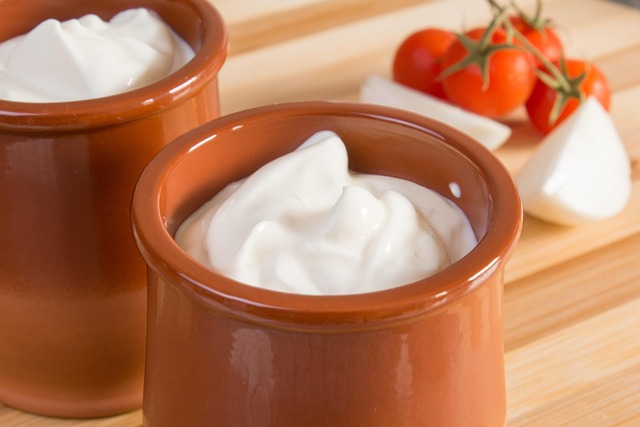
Plain sour cream isn’t toxic to dogs, and a small dollop is a minor thing for most dogs. But “sour cream” hides two very different questions, and getting them straight is the whole point of this page:
- Plain sour cream is a fat-and-lactose question — a matter of how much and how well your dog handles dairy, not a toxin.
- Flavoured sour cream is potentially an allium question — French onion dip and sour-cream-and-onion or -chive dips carry concentrated onion and garlic powder, which are genuinely toxic to dogs.
That makes sour cream a dairy-cluster sibling to milk, yogurt, and evaporated milk on the plain side, and a twin of the chives page on the flavoured side. Read on for which one you’re actually dealing with.
Fat: The Leading Everyday Concern
Of the two plain-sour-cream concerns, fat is the more prominent one. Regular sour cream is 18–20% milkfat — noticeably higher-fat than yogurt (~3–5%). A two-tablespoon dollop is roughly 6 g of fat, about half of it saturated.
- A dollop on top of food is a minor indulgence for a healthy dog.
- A tub, or a large amount, is a genuine fat load — and a high-fat meal is a real pancreatitis trigger, especially in small dogs and breeds prone to it. This is the reason not to let a dog work through a container.
The bacon page has the full detail on how fat drives pancreatitis and which dogs are most at risk; the same logic applies to a big serving of sour cream. Light / reduced-fat sour cream is about half the fat (~5–7% milkfat), so it’s gentler on this axis — though the lactose and flavoured-dip questions are unchanged.
Lactose: A Secondary, Individual Concern
Sour cream’s lactose is a smaller issue than its fat, because sour cream sits on the lower end of the dairy lactose spectrum. Fermentation cuts the lactose down — roughly 0.6 g per tablespoon (about 9–11 g per cup) — which puts it below milk (the highest-lactose member of the cluster), roughly level with regular yogurt, and not far above strained Greek yogurt.
As with all dairy, tolerance is individual: most adult dogs have reduced lactase (the enzyme that breaks down lactose), so some handle a dollop with no trouble while others get gas or loose stools within a few hours. A dollop’s worth of lactose is small; the amount, and your particular dog, decide it. See yogurt and milk for the full comparative dairy picture.
The Real Hazard: Onion and Chive Sour Cream Dips
This is where sour cream stops being a mild dairy question and becomes a genuine one. French onion dip, sour-cream-and-onion, and sour-cream-and-chive dips are built on concentrated allium. A typical recipe or commercial product carries something like 1 teaspoon of onion powder plus ½ teaspoon of garlic powder per cup, often with chopped chives and dried onion flakes on top of that.
Onions, garlic, and chives are all genuinely toxic to dogs, and the dried powders used in these dips retain full toxicity and are concentrated relative to the fresh vegetable (garlic powder especially). The mechanism is oxidative damage to red blood cells — Heinz-body formation leading to haemolytic anaemia — with an onset that is typically delayed 3–5 days. So a dog that gets into a bowl of French onion dip has taken on an allium exposure on top of the fat and salt — a different and more serious situation than plain sour cream, not “just a bit of dairy.”
This is the same finding as our chives page, seen from the other side: sour-cream-and-chive dip is exactly the concentrated-allium product that page flags — sour cream and chives are two halves of the same dip. The practical rule: check the label of any flavoured sour cream or dip. If it lists onion or garlic powder, treat it as an allium exposure and act on how much was eaten.
Salt in Flavoured Dips
The same dips and seasoned sour creams also tend to be high in salt — a secondary concern next to the allium question, but a real one for small dogs and any dog on a vet-prescribed low-sodium diet. Plain sour cream itself is modest in sodium; the salt comes with the flavouring.
Light and Non-Dairy Sour Cream
- Light / reduced-fat sour cream: about half the fat, so easier on the fat concern; the lactose story is the same.
- Non-dairy sour cream (cashew-, soy-, or coconut-based): sidesteps the lactose entirely, but check the ingredient list for additives — and, crucially, the flavoured non-dairy dips still carry the allium risk. “Sour cream and onion” is a concern because of the onion, not the dairy, so a dairy-free onion dip is no safer on that front.
Symptoms to Watch For
From plain sour cream (lactose or fat):
- Diarrhoea, gas, vomiting, abdominal discomfort
- After a large, fatty amount, watch for pancreatitis signs over 24–72 hours — repeated vomiting, a hunched/painful posture, marked lethargy, loss of appetite
From a flavoured dip that contained onion, garlic, or chive (allium — often delayed 3–5 days):
- Lethargy, weakness, pale gums
- Reddish or brown urine
- Reduced appetite
For preparedness
ARCA Pet First Aid Kit
A lick of plain sour cream rarely amounts to much — but for the situations that do matter (a dog into a tub, or a bowl of onion-and-chive dip), having a first aid kit on hand is a small, sensible bit of preparedness while you get to your vet.
View on Amazon →What To Do
- A lick of plain sour cream, healthy dog: low concern. Watch for loose stools if your dog is lactose-sensitive.
- A large amount or a tub of plain sour cream: monitor for GI upset and, given the fat, pancreatitis signs over the next 1–3 days. Call your vet for repeated vomiting, or sooner for a small dog or a breed with pancreatitis risk.
- Any onion/chive dip (French onion, sour cream & onion, sour cream & chive): treat it as an allium exposure — note how much, call your vet, and watch for the delayed signs over 3–5 days.
- Light or non-dairy versions: check the label; if it’s a flavoured/onion dip, the allium check still applies.
Frequently Asked Questions
This FAQ summarises general veterinary and nutrition guidance. It’s informational only and not a substitute for advice from your own vet, who knows your dog.
Can dogs eat French onion dip?
No — this is the sour-cream situation to actually avoid. French onion dip (and sour-cream-and-onion or -chive dips) contains concentrated onion and garlic powder, which are toxic to dogs. The sour cream is the harmless part; the allium is the hazard, and it’s the concentrated dried form. A dog that ate a meaningful amount of onion dip warrants a call to your vet, and watching over the next 3–5 days for the delayed signs of allium toxicity.
Is plain sour cream bad for dogs?
Not really, in small amounts — plain sour cream is a fat-and-lactose question, not a toxin. A dollop is low-concern for most dogs. The things to watch are quantity (a tub is a real fat load) and your dog’s own dairy tolerance (lactose-sensitive dogs may get loose stools).
Is sour cream better or worse than yogurt for dogs?
Yogurt — especially plain Greek yogurt — is the better choice: it’s lower in fat and often lower in lactose. Sour cream is higher-fat, so if you’re going to give a dairy dollop, plain yogurt is the gentler option. Neither should be a flavoured or sweetened version. See the yogurt page.
My dog licked some sour cream off a plate — should I worry?
For a small amount of plain sour cream, no. The real question is whether it was flavoured — a chip dip or a sour-cream-and-onion topping is the part to check, because of the allium. If it was plain, watch for mild stomach upset and move on.
For Further Reading
For further reading
The Forever Dog by Rodney Habib and Karen Becker
A well-regarded reference covering canine nutrition, health, and longevity — for dog owners interested in a deeper look at the choices behind their dog's diet and everyday dairy.
View on Amazon →About This Guide
This guide was researched and written by Claire Donnelly for Is It Safe For My Dog?. We are not veterinarians. Each guide is compiled from published, publicly accessible veterinary and toxicology sources — for this page, the American Kennel Club, PetMD, VCA Hospitals, and the ASPCA — and cross-checked before publication. Because neither the AKC nor PetMD publishes a sour-cream-specific article, we apply their general human-foods and cultured-dairy (yogurt) guidance to sour cream and say so openly. This is general information; it does not replace a consultation with your vet.
Sources for the figures on this page
- American Kennel Club — People Foods Dogs Can and Can’t Eat (dairy is tolerated in moderation by many dogs but can cause GI upset; garlic and the allium family flagged as toxic; excess salt cautioned; applied here as the dairy and allium framework, no AKC sour-cream page existing)
- PetMD — Can Dogs Eat Yogurt? (cultured dairy and lactose tolerance in dogs; applied here as the closest live analog, since sour cream is a fermented/cultured dairy product like yogurt, no PetMD sour-cream page existing)
- VCA Hospitals — Onion, Garlic, Chive, and Leek Toxicity in Dogs (onion, garlic, and chive classified toxic; oxidative red-blood-cell damage; dried/powdered forms concentrated; applied here to the onion/garlic powder in French onion and sour-cream-and-chive dips)
- ASPCA Animal Poison Control — People Foods to Avoid Feeding Your Pets (onion and garlic listed as hazards; fatty foods associated with GI upset and pancreatitis; excess salt cautioned; applied here for the allium, fat, and salt concerns)
- Lactose and fat figures — regular sour cream ~18–20% milkfat (~6 g fat per 2 tbsp) and ~0.6 g lactose per tablespoon; light sour cream ~5–7% fat; from published food-composition data, not veterinary sources, used to position sour cream on the dairy fat/lactose spectrum
This page is informational only and does not constitute veterinary or medical advice.