Affiliate disclosure: This guide contains affiliate links. If you purchase via these links, we may earn a small commission at no extra cost to you. This never affects our safety assessments — see our Editorial Standards for how we work.
Recommendations on this page
- For preparedness: ARCA Pet First Aid Kit — a small investment for unexpected pet emergencies. View on Amazon →
- Further reading: The Forever Dog by Habib & Becker — a well-regarded reference on canine nutrition and longevity. View on Amazon →
Is Parmesan Cheese Safe for Dogs?
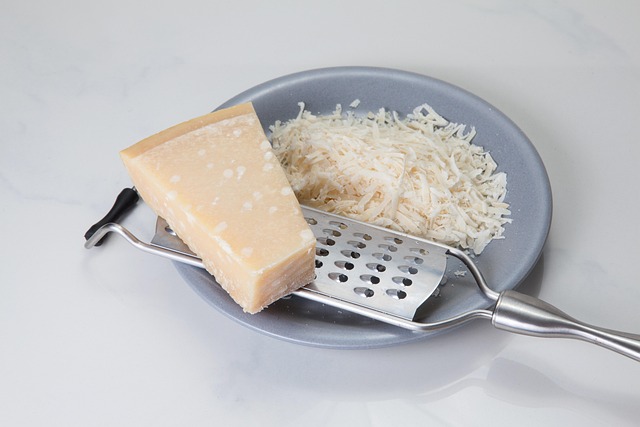
Parmesan isn’t toxic to dogs. Where it sits among the cheeses we’ve calibrated is a little unusual, so it’s worth placing precisely.
On lactose, parmesan is one of the easy ones. It’s a hard, extensively aged cheese, and — the same as Swiss — the long ageing leaves it with almost no lactose (well under 1%). So the milk-sugar problem that makes many dogs gassy with cheese isn’t the concern here.
But parmesan is not a “gentle” cheese the way Swiss is, and the reason is salt. At roughly 1,529 mg of sodium per 100 g (about 430 mg per ounce), parmesan is the saltiest cheese we’ve calibrated — higher than feta (~1,100 mg/100 g), and many times saltier than mild cheeses. That, plus a high fat content, is why parmesan is a Caution. Here’s the honest reasoning behind that badge, because it’s worth understanding.
Why the Badge Reflects the Cheese, Not How You Use It
You might reasonably think: but nobody feeds a dog a block of parmesan — it’s a sprinkle on pasta. That’s true, and it matters for the practical advice (a light grating really is low-risk, and we’ll say so). But it’s worth being clear about what it does not do: it doesn’t lower what parmesan is.
“Used sparingly” describes a human cooking habit, not a property of the cheese. Parmesan is the saltiest cheese in the fridge whether you sprinkle a teaspoon of it or leave a bowl of it shredded on the counter — and a dog doesn’t respect the sprinkle habit. A dog gets into parmesan by grabbing a chunk, licking out the bowl of shredded cheese, or finding the bag — none of which are “a light grating.” So the safety badge reflects the composition of the food (very salty, high fat), which is fixed, rather than the portion a careful cook would use, which a raiding dog ignores.
The practical upshot lands in a reassuring place — a sprinkle of parmesan over your dog’s food is genuinely a low-risk treat — but the classification stays a Caution because that’s what the cheese is. (This is a different point from why something is a caution once you’re weighing it; it’s about the fact that a typical serving size can’t downgrade what the food fundamentally is.)
The Rind: a Rock-Hard Choking and Tooth Hazard
Here’s the parmesan-specific hazard that has nothing to do with salt or fat, and it’s a real one. A wedge of parmesan comes with a hard rind — and on a properly aged parmesan, that rind is extremely hard, dense enough after a year or two of ageing that it’s difficult even for a person to bite through.
For a dog, that makes the rind a mechanical hazard, the same category as an apple core or an artichoke’s tough leaves: not toxic, but a genuine risk of a cracked or fractured tooth, and — if a dog bites off and swallows a chunk — a choking or intestinal-obstruction risk. This matters because parmesan rinds are exactly the kind of thing that gets handed to a dog as a “chew,” or dropped for one while you cook. Don’t give the rind as a chew, and don’t leave it where a dog can grab it. It’s edible for humans in the sense of non-toxic, but for a dog it’s a hard object, not a food.
Fat
Set alongside the salt and the rind, fat is the quieter concern, but it’s a real one and the same across the hard cheeses. Parmesan is about 28% fat (roughly 7–8 g per ounce) — a full-fat cheese, in the same range as Swiss and cheddar. A sprinkle is trivial, but a large amount — a stolen chunk, a raided bag — is a genuine fat load, and fat is a real trigger for pancreatitis, especially in small, overweight, or predisposed dogs. The mechanism is covered in full on the bacon page and applies here unchanged. So a big parmesan raid is a salt and fat event, not just a salty one.
Parmesan on Pasta: That’s the Sauce, Not the Cheese
Parmesan mostly reaches a dog grated over something — and the most common something is pasta with a garlic-heavy sauce. If a dog cleans a plate of garlicky pasta, the parmesan is the least of it: the real concern is the garlic and onion in the sauce, which are genuinely toxic to dogs, plus the fat. As on our other dish pages, that’s a property of the dish, not the cheese — the parmesan itself brings salt and fat, not allium. Judge a shared pasta plate by its sauce.
A Note on Pre-Grated Parmesan
Shelf-stable, pre-grated parmesan (the kind in a shaker) usually contains anti-caking agents like cellulose to keep it from clumping. It’s worth saying plainly: those additives are not a meaningful concern for a dog in the amounts involved — pre-grated parmesan is essentially the same salt-and-fat story as fresh. Don’t over-worry the “additives”; the salt and fat are the actual considerations either way.
Symptoms to Watch For
From the salt and fat (a chunk, a bowl of shredded, or a raided bag):
- Increased thirst and urination, vomiting, diarrhoea, gas, abdominal discomfort
- After a large, fatty amount, watch for pancreatitis signs over 24–72 hours — repeated vomiting, a hunched or painful posture, marked lethargy, loss of appetite
- After a genuinely large salty amount in a small dog, the more serious sodium signs — marked lethargy, wobbliness, tremors — warrant a prompt vet call
From the rind (mechanical):
- Gagging or difficulty swallowing at the time; or, if a chunk was swallowed, repeated vomiting, no appetite, a tense belly over the next day or two — potential obstruction signs that warrant a vet call, sooner for a small dog
For preparedness
ARCA Pet First Aid Kit
A sprinkle of parmesan is a non-event — but the parmesan scenarios that do matter (a dog into a bag of shredded cheese, or one that swallowed a piece of the rock-hard rind) are exactly the kind worth being ready for. A first aid kit is a small, sensible bit of preparedness while you get to your vet.
View on Amazon →What To Do
- A light sprinkle of parmesan over food, healthy dog: genuinely low-risk — this is the amount the cheese is normally used in, and it’s a fine occasional treat. The Caution is about larger amounts, not this.
- A stolen chunk, a bowl of shredded, or a raided bag: now the salt and fat matter — watch for GI upset and thirst, and for pancreatitis signs over 1–3 days, sooner to the vet for a small dog or one prone to pancreatitis.
- The rind: don’t give it as a chew, and if your dog swallowed a piece, watch for choking at the time and obstruction signs over the next day or two.
- A garlicky pasta plate: judge it by the garlic and onion in the sauce, not the parmesan.
- A dog on a low-sodium diet: parmesan is the wrong cheese to pick — it’s the saltiest one there is. Choose something milder like a little Swiss if you’re sharing cheese at all.
Frequently Asked Questions
This FAQ summarises general veterinary and nutrition guidance. It’s informational only and not a substitute for advice from your own vet, who knows your dog.
Is parmesan cheese safe for dogs?
A small sprinkle over food is low-risk for most dogs — parmesan is almost lactose-free, so it’s easy on that front. It’s a Caution rather than fully safe because it’s the saltiest cheese there is and it’s high in fat, so a larger amount (a chunk, a bag of shredded) is a real salt-and-fat load. Think “a light grating, occasionally” — and keep the block and the rind out of reach.
Can dogs eat parmesan rind?
Best not. The rind isn’t toxic, but on aged parmesan it’s rock-hard — a genuine risk of cracking a tooth, and a choking or blockage hazard if a dog bites off and swallows a chunk. Despite the popular idea of giving cheese rinds to dogs as a chew, a parmesan rind is a hard object rather than a safe treat. Don’t offer it, and don’t leave it where a dog can grab it.
Why is parmesan a Caution if it’s usually just a sprinkle?
Because the safety rating reflects what the cheese is, not how a careful cook uses it. Parmesan is the saltiest, and among the fattier, cheeses — and a dog doesn’t stick to a “sprinkle” when it grabs a chunk or finds the bag. So the badge reflects the composition, which is fixed, while the reassuring part — that a light grating is genuinely low-risk — is the practical guidance. Both are true at once.
My dog ate a lot of parmesan — what should I do?
Watch for stomach upset and increased thirst from the salt, and — because it’s also fatty — for pancreatitis signs (repeated vomiting, a hunched posture, lethargy, loss of appetite) over the next one to three days. A small dog, an overweight dog, or one with a pancreatitis history is more at risk, so call your vet sooner in those cases. If what they actually swallowed was a piece of the hard rind, watch for choking and obstruction signs instead.
About This Guide
This guide was researched and written by Claire Donnelly for Is It Safe For My Dog?. We are not veterinarians. Each guide is compiled from published, publicly accessible veterinary and toxicology sources — for this page, the American Kennel Club, PetMD, VCA Hospitals, and the Merck Veterinary Manual — and cross-checked before publication. Because neither the AKC nor PetMD publishes a parmesan-specific article, we apply their general cheese guidance to parmesan and say so openly, with the sodium and fat concerns anchored to veterinary toxicology. This is general information; it does not replace a consultation with your vet.
Sources for the figures on this page
- American Kennel Club — Can Dogs Eat Cheese? (cheese not toxic but a food of caution; many dogs are lactose intolerant; cheese high in fat and can carry high salt — applied here to parmesan, no AKC parmesan-specific page existing)
- PetMD — Can Dogs Eat Cheese? (cheese, lactose, and fat in dogs; plain-versus-processed guidance; applied here as the general-cheese analog for parmesan)
- VCA Hospitals — Pancreatitis in Dogs (dietary fat as a pancreatitis trigger; risk factors including small breeds and prior episodes; the anchor for parmesan’s fat concern)
- Merck Veterinary Manual — Salt Toxicosis in Animals (sodium toxicosis in the range of ~2–3 g salt per kg body weight; used to scale parmesan’s high sodium — the highest of the cheeses covered)
- Composition figures — parmesan ~1,529 mg sodium per 100 g (~430 mg/oz — the highest of the cheeses we’ve calibrated, above feta’s ~1,100 mg/100 g), <1% lactose (aged, near-zero), and ~28% fat (~7–8 g/oz); the rind is edible for humans but extremely hard; from published food-composition data, used to position parmesan on the cheese spectrum
This page is informational only and does not constitute veterinary or medical advice.