Are Chives Safe for Dogs?
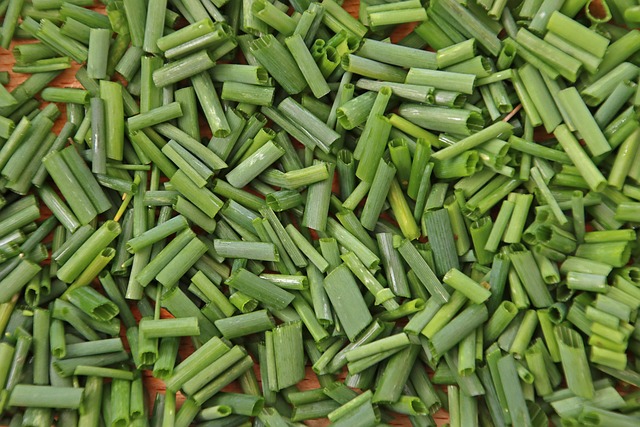
No. Chives are toxic to dogs. They’re the most delicate-looking member of the onion family, but the Allium toxicity is identical in kind to onions and garlic — chives just tend to be eaten in smaller amounts.
This is an accurate “toxic” label, not an overstated one. Where the site pushes back on inflated reputations (oregano, lemon, avocado), the allium family is the opposite: a genuine, well-documented blood toxin. Chives sit squarely inside it.
The Allium Mechanism, in Brief
Chives contain the same organosulfur compounds as the rest of the family. Absorbed, they oxidise a dog’s red blood cells, forming Heinz bodies and driving haemolytic anaemia — red cells destroyed faster than they’re replaced. The serious signs are delayed, typically appearing over 3–5 days. The full mechanism, dose maths, and breed-sensitivity detail live on the onions and garlic hub pages; this page covers what’s specific to chives.
Where the Real Exposure Actually Comes From
This is the practical heart of the chives question, and it’s about dose, not garnish.
- Fresh chives as a garnish — the sprinkle on a baked potato, in scrambled eggs, over a salad — is usually a small per-incident amount. A dog that licked a plate with a little chopped chive on it is generally lower concern than the word “toxic” might suggest. That’s honest calibration: quantity matters, and garnish quantities are small.
- Chive-flavoured products are the real risk. Chive cream cheese, sour-cream-and-chive dips, and onion-and-chive spreads are eaten by the spoonful, not the pinch — and a dog that gets into a tub of dip can take in far more allium than one that licked a garnished plate. These products often combine chives and onion, compounding the dose. Sour-cream-and-chive dip is the other half of this same product — see the sour cream page, which covers it from the dairy-and-dip side.
- Dried and powdered chives are concentrated by weight, like all dried allium — a small measure represents more chive than the fresh herb.
The takeaway: don’t panic over a stray fresh sprinkle, but don’t treat chives as a harmless herb either — the flavoured products are where dogs actually reach a concerning dose.
Symptoms to Watch For
Allium toxicity presents in two delayed stages:
Early (hours) — gastrointestinal: vomiting, diarrhoea, drooling, abdominal discomfort, reduced appetite.
Later (typically 3–5 days) — the anaemia: lethargy, weakness, pale gums, rapid heart rate, rapid breathing, reddish or brown urine, and collapse in severe cases.
A dog that seems fine the day after eating a chive dip is not necessarily clear — the anaemia is the delayed part.
What To Do
- A lick of a fresh-chive garnish in a healthy dog: usually low concern. Note it and watch for 3–5 days.
- A meaningful amount of a chive-flavoured product (a good scoop of chive dip or cream cheese), or any amount in a small dog: call your vet or the Pet Poison Helpline — allium dose is what matters, and these products carry more than a garnish. Remember many also contain onion.
- Don’t wait for symptoms with a significant exposure, and don’t induce vomiting unless a vet directs you to.
Frequently Asked Questions
This FAQ summarises general veterinary toxicology guidance. It’s informational only and not a substitute for advice from your own vet.
Are chives as toxic as onions and garlic?
They’re the same kind of toxin — the allium mechanism is identical. Garlic is the most potent by weight and onions have the clearest dose data; chives sit in the same family and are simply usually eaten in smaller amounts. That’s a difference in typical dose, not in whether they’re toxic.
My dog licked some chive cream cheese — should I worry?
It depends on how much. A tiny lick is lower concern; a real scoop is a genuine allium exposure (and the product may contain onion too). For anything beyond a trace, call your vet, and watch for 3–5 days.
Does cooking or drying chives make them safe?
No. Cooking doesn’t remove the toxic compounds, and drying concentrates them by weight.
About This Guide
This guide was researched and written by Claire Donnelly for Is It Safe For My Dog?. We are not veterinarians. Each guide is compiled from published, publicly accessible veterinary and toxicology sources — for this page, the ASPCA, PetMD, the Merck Veterinary Manual, VCA Hospitals, and the Pet Poison Helpline — and cross-checked before publication. This is general information; it does not replace a consultation with your vet, and any suspected allium ingestion warrants direct veterinary advice.
Sources for the figures on this page
- Merck Veterinary Manual — Garlic and Onion (Allium spp.) Toxicosis in Animals (Heinz-body haemolytic anaemia mechanism shared across alliums; delayed onset; all forms toxic)
- VCA Hospitals — Onion, Garlic, Chive, and Leek Toxicity in Dogs (chive named and classified toxic; oxidative red-blood-cell damage; onset may take several days; clinical signs)
- ASPCA Animal Poison Control — Chives (chives classified toxic to dogs as an allium)
- PetMD — Chive Poisoning in Dogs (chives as an Allium toxin; sulfur compounds; Heinz-body anaemia; cooked and raw both a risk)
- Pet Poison Helpline — Chives (chive toxicity in dogs; allium red-blood-cell damage)
This page is informational only and does not constitute veterinary or medical advice.