Affiliate disclosure: This guide contains affiliate links. If you purchase via these links, we may earn a small commission at no extra cost to you. This never affects our safety assessments — see our Editorial Standards for how we work.
Recommendations on this page
- For preparedness: ARCA Pet First Aid Kit — a small investment for unexpected pet emergencies. View on Amazon →
- Further reading: The Forever Dog by Habib & Becker — a well-regarded reference on canine nutrition and longevity. View on Amazon →
Is Buttermilk Safe for Dogs?
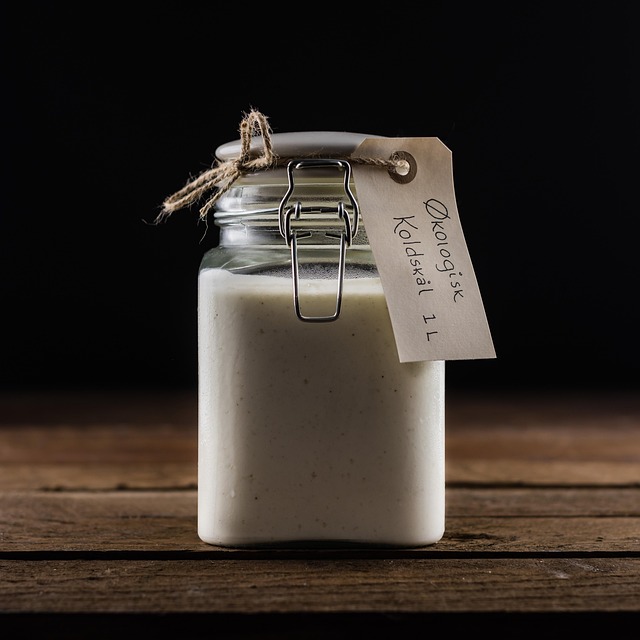
Here’s the thing the name hides: buttermilk is not a rich, fatty dairy. The “butter” in the name suggests something heavy, but the buttermilk sold in every supermarket today is cultured low-fat or skim milk — regular milk with bacterial cultures stirred in, closer in spirit to a thin yogurt than to cream. It’s a genuinely low-fat product, and one of the gentler members of the dairy family for dogs.
So plain buttermilk isn’t toxic, and a small amount is a low-concern treat for most dogs. This page stays a Caution rather than reaching Safe for two honest reasons: dairy tolerance is still individual (some dogs get loose stools from any lactose), and buttermilk carries one surprise the name doesn’t advertise — it’s saltier than plain milk. We’ll take those in turn, then cover the thing most people are actually thinking about when they search “buttermilk”: the ranch dressing and baking they use it for.
Where Buttermilk Sits Among the Dairy Options
We’ve calibrated the whole dairy cluster, so here’s where buttermilk lands on the two axes that matter for dogs — and it’s a soft landing:
- Fat — the lowest in the cluster. Modern cultured buttermilk is typically 1–2% fat, because it’s made from low-fat or skim milk. That’s below whole milk (~3.25%), far below sour cream (18–20%) and ricotta (5–12%), and nowhere near butter despite the shared name. Fat — the driver of the pancreatitis concern elsewhere in the cluster — is simply not the buttermilk story.
- Lactose — reduced, roughly yogurt-tier. Fermentation partially breaks down the milk sugar, leaving buttermilk with noticeably less lactose than plain milk (on the order of a quarter less). That puts it near yogurt and below milk, the highest-lactose member of the cluster.
So on both counts buttermilk is gentler than milk and much gentler than sour cream — comparable to yogurt. Dairy tolerance is still individual: some dogs handle a splash fine, others get loose stools from any lactose. But if you’re going to share a little dairy, buttermilk is one of the softer places to start.
Sodium: the One Way Buttermilk Is “Worse” Than Milk
Here’s the trade the name doesn’t advertise. Buttermilk is lower in fat and lower in lactose than milk — but it’s saltier. The culturing process (and, in many brands, a little added salt) pushes sodium to roughly 180–290 mg per cup, versus plain milk’s ~105 mg. So buttermilk carries something like two to three times the sodium of regular milk.
For a healthy dog sharing a small amount, this is minor — not a reason to panic. But it’s worth knowing for small dogs and any dog on a vet-prescribed low-sodium diet, where a cup of buttermilk is a more meaningful salt load than the same amount of milk. See the salt page for sodium context. It’s a proportionate caveat, not an alarm — but it’s the honest counterweight to buttermilk’s otherwise-gentle profile.
What Buttermilk Is Actually Used For
Most people don’t drink buttermilk by the glass — it’s a baking and cooking ingredient. That matters for how you read a “my dog got into something with buttermilk” situation, because the concern usually belongs to the dish, not the buttermilk:
- Buttermilk baked goods — pancakes, biscuits, cornbread, some cakes. The buttermilk here is a minor player; the concern is the sugar, fat, and any add-ins of the baked good itself (chocolate chips, raisins, xylitol in some “diet” baking), exactly as it would be for any baked good. The buttermilk isn’t what makes a chocolate-chip pancake a problem.
- Buttermilk fried-chicken marinade or batter — buttermilk is a classic soak for fried chicken. If a dog gets a piece, the concern is the frying fat and any seasoning, not the buttermilk that was mostly rinsed or cooked off. Fried, greasy food is its own fat-load question independent of the marinade.
In both cases, buttermilk is the innocent ingredient and the preparation is what to actually judge.
The Ranch Question: That’s the Dressing, Not the Buttermilk
One buttermilk use deserves a clear, specific note, because a lot of people searching “buttermilk” are really thinking about ranch dressing — which is buttermilk-based. Ranch (and buttermilk ranch dips and dressings) contains garlic powder and onion powder, which are genuinely toxic to dogs, part of the allium family alongside garlic.
But it’s worth being precise about the relationship, because it’s different from some other pages on this site. Plain buttermilk contains no onion or garlic. Ranch is a separate downstream product you make from buttermilk — buttermilk plus mayonnaise, herbs, and the garlic/onion powder. This is not like sour cream, where French onion dip comes with the allium mixed into the sour-cream product itself, or like coleslaw, where onion is a standard ingredient of the dish. With buttermilk, the product this page is about is plain; the allium only shows up once you’ve turned it into something else.
So the practical rule: plain buttermilk is a fat-and-lactose question; buttermilk ranch is an allium question — and if a dog eats a meaningful amount of ranch dressing, treat it as an allium exposure (garlic and garlic powder are more concentrated than the fresh clove) and watch over the following days, calling your vet if the amount was significant. Just don’t let the ranch association attach a risk to plain buttermilk that the buttermilk itself doesn’t carry.
A Note on Powdered / Dried Buttermilk
Dried buttermilk powder turns up in baking mixes, pancake mixes, and — relevantly — ranch seasoning packets. As a plain baking ingredient it carries the same low-fat, reduced-lactose profile as the liquid, just concentrated and shelf-stable, so it’s no more of a concern spoon-for-spoon. The one thing to flag is the ranch seasoning packet, which pairs the buttermilk powder with the same garlic and onion powder as the dressing — so a dog that gets into a ranch seasoning packet is, again, an allium question, not a dairy one.
Symptoms to Watch For
From plain buttermilk (lactose, or its saltiness in quantity):
- Loose stools or diarrhoea, gas or bloating, mild vomiting, abdominal discomfort
- After a large, salty amount in a small dog, increased thirst
From ranch dressing or a ranch seasoning packet (allium — often delayed 3–5 days):
- Lethargy, weakness, pale gums, reddish or brown urine, reduced appetite
For preparedness
ARCA Pet First Aid Kit
A splash of plain buttermilk rarely amounts to much — but the situation that does matter (a dog into a bowl of ranch dressing, or a ranch seasoning packet) is exactly the kind worth being ready for. A first aid kit is a small, sensible bit of preparedness while you get to your vet.
View on Amazon →What To Do
- A splash or small amount of plain buttermilk, healthy dog: low concern. Watch for loose stools if your dog is lactose-sensitive; keep it occasional.
- A large amount of plain buttermilk: monitor for GI upset; for a small dog, be mindful of the sodium as well.
- A buttermilk baked good (pancake, biscuit, cornbread): judge it by the recipe — check for chocolate, raisins, or xylitol, which matter far more than the buttermilk.
- Ranch dressing, buttermilk ranch dip, or a ranch seasoning packet: treat it as an allium exposure; if the amount was meaningful, call your vet and watch over the next 3–5 days.
- On a low-sodium diet: buttermilk’s higher salt makes it a poorer dairy choice than a splash of plain milk — pick something else.
Frequently Asked Questions
This FAQ summarises general veterinary and nutrition guidance. It’s informational only and not a substitute for advice from your own vet, who knows your dog.
Is buttermilk safe for dogs?
In small amounts, for most dogs, yes — it’s one of the gentler dairy options. Modern buttermilk is cultured low-fat milk, so it’s low in fat and has less lactose than plain milk. A splash is a low-concern treat; watch for loose stools if your dog is lactose-sensitive, mind the higher salt for small dogs, and don’t make it a regular habit. It stays a “caution” mainly because dairy tolerance is individual, not because buttermilk is dangerous.
Isn’t buttermilk high in fat, because of the “butter” in the name?
No — that’s the common misconception. The name is historical: original buttermilk was the thin liquid left after churning butter, which was itself low in fat. Today’s store buttermilk isn’t a butter byproduct at all; it’s low-fat or skim milk with cultures added, usually 1–2% fat — lower than whole milk, and one of the lowest-fat products in the whole dairy aisle.
Can dogs have buttermilk ranch dressing?
Best avoided — but the reason is the ranch, not the buttermilk. Ranch dressing contains garlic and onion powder, which are genuinely toxic to dogs, so a meaningful amount of ranch is an allium exposure worth watching for a few days. Plain buttermilk, by contrast, contains no onion or garlic. If you want to share the dairy part, a little plain buttermilk is far safer than the dressing made from it.
Is buttermilk better than milk for dogs?
On fat and lactose, yes — buttermilk is lower in both, so it’s gentler on those counts. The one place milk wins is sodium: buttermilk has roughly two to three times the salt. For a healthy dog in small amounts the difference is minor; for a small dog or one on a low-sodium diet, plain milk (or just water) is the better pick.
About This Guide
This guide was researched and written by Claire Donnelly for Is It Safe For My Dog?. We are not veterinarians. Each guide is compiled from published, publicly accessible veterinary and toxicology sources — for this page, the American Kennel Club, PetMD, VCA Hospitals, and the ASPCA — and cross-checked before publication. Because neither the AKC nor PetMD publishes a buttermilk-specific article, we apply their general dairy and cultured-dairy (milk and yogurt) guidance to buttermilk and say so openly; the allium guidance is applied to the ranch and seasoning products made from buttermilk, not to buttermilk itself. This is general information; it does not replace a consultation with your vet.
Sources for the figures on this page
- American Kennel Club — Can Dogs Drink Milk? (dairy and lactose guidance for dogs; many dogs are lactose intolerant; small amounts of low-fat dairy tolerated by many — applied here to buttermilk as a milk product, no AKC buttermilk page existing)
- PetMD — Can Dogs Eat Yogurt? (cultured/fermented-dairy tolerance and lactose in dogs; applied here as the closest cultured-dairy analog, buttermilk being fermented like yogurt)
- VCA Hospitals — Onion, Garlic, Chive, and Leek Toxicity in Dogs (onion and garlic classified toxic to dogs; applied here to the garlic/onion powder in ranch dressing and ranch seasoning made from buttermilk, not to buttermilk itself)
- ASPCA Animal Poison Control — People Foods to Avoid Feeding Your Pets (onion and garlic listed as hazards; excess salt cautioned; dairy associated with GI upset)
- Composition figures — modern cultured buttermilk ~1–2% fat and ~180–290 mg sodium per cup (versus milk’s ~105 mg), with lactose reduced roughly a quarter below milk by fermentation; from published food-composition data, used to position buttermilk on the dairy spectrum
This page is informational only and does not constitute veterinary or medical advice.