Is Coffee Safe for Dogs?
No. Coffee is toxic to dogs. The toxin is caffeine, a stimulant that dogs are more sensitive to than people and clear more slowly.
It’s worth saying up front why coffee is treated differently from its caffeinated cousins on this site. We recalibrated tea and soda from Toxic to Caution, because so much of each category is genuinely caffeine-free (herbal teas; root beer and citrus sodas) and per-serving doses are modest. Coffee gets no such reprieve — there is no caffeine-free coffee (even decaf contains some), and it’s concentrated at realistic exposure. So coffee stays firmly Toxic — the same rigour that lowered tea and soda is exactly why coffee isn’t lowered.
This page is the site’s caffeine reference: how much is dangerous, why grounds and beans are worse than a brewed cup, and the pill/supplement scenario.
How Caffeine Poisons Dogs — the Mechanism
Caffeine is a methylxanthine — the same chemical family as the theobromine in chocolate — and it works the same way: it over-stimulates the heart and nervous system. Dogs metabolise it slowly, with a half-life of about 4.5 hours (Merck Veterinary Manual). The result at a high enough dose is a racing, irregular heart, agitation, tremors, and in severe cases seizures.
How Much Caffeine Is Toxic? The Dose Math
Because caffeine and theobromine are both methylxanthines, Merck’s thresholds apply to caffeine too: mild signs at ~20 mg/kg, cardiotoxic effects at 40–50 mg/kg, seizures at ≥60 mg/kg, with a reported oral LD50 of 100–200 mg/kg.
Typical caffeine amounts: brewed coffee ~95 mg per 8-oz cup, espresso ~63 mg per shot, and grounds and beans far more concentrated per gram than any brewed cup.
Translating the mild-signs threshold (20 mg/kg) into brewed-coffee terms:
| Dog weight | Mild signs (~20 mg/kg) | Serious (~40–50 mg/kg) | ≈ brewed coffee to reach mild |
|---|---|---|---|
| 5 kg (11 lb) | ~100 mg | ~200–250 mg | ~1 cup |
| 10 kg (22 lb) | ~200 mg | ~400–500 mg | ~2 cups |
| 20 kg (44 lb) | ~400 mg | ~800–1000 mg | ~4 cups |
| 30 kg (66 lb) | ~600 mg | ~1200–1500 mg | ~6 cups |
These are thresholds for where signs begin, not safe-below lines. And the brewed-coffee column is almost misleading in one direction: a dog rarely drinks cups of hot coffee, but it can very easily eat a mouthful of grounds, which deliver the same caffeine in a fraction of the volume — which is why the concentrated forms, below, are the real story.
(A note on method: this same methylxanthine table technically applies to tea and soda as well. We use a qualitative, type-by-type approach on those pages instead — because a “cup of tea” or “can of soda” varies so much by tea type and soda product that the per-serving comparison is more practically useful there than a per-kg table. Coffee is consistent and concentrated enough that the dose math earns its place.)
Grounds and Beans — the Real Danger
The most important practical point on this page: the serious coffee exposures are grounds and beans, not a lapped-up brewed cup.
- Coffee grounds — used or fresh — are concentrated caffeine with the water removed. A dog that raids a compost bin (used grounds are a common compost addition), a spilled canister, or a countertop bag can take in far more caffeine than it ever would from brewed coffee. Used grounds still contain a substantial amount.
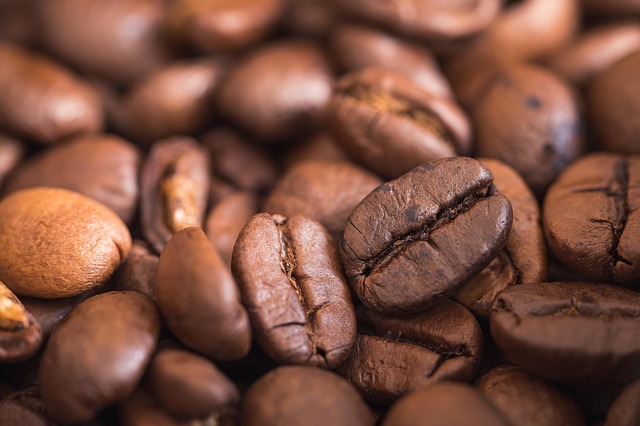
- Whole or ground beans are similarly concentrated, and chocolate-covered espresso beans are a double hit — caffeine plus chocolate theobromine.
If a dog has eaten grounds or beans, treat it as urgent regardless of how little “liquid” was involved — the dose is in the solids.
Caffeine Pills and Supplements — the Highest-Concentration Scenario
Caffeine pills, pre-workout powders, and energy supplements are the most concentrated everyday caffeine sources of all — a single pill can contain 100–200 mg. VCA Hospitals notes that one or two caffeine pills can be fatal for a small dog. This is a genuine emergency scenario: if a dog has gotten into caffeine tablets or a pre-workout tub, call your vet or a poison line immediately, with the dog’s weight and the milligrams per pill.
Coffee-Flavoured Foods
Coffee turns up in foods too — tiramisu, coffee ice cream, espresso-flavoured treats, coffee-flavoured desserts. These carry caffeine and often combine it with other concerns (chocolate, or xylitol in some sugar-free versions). The caffeine dose is usually lower than straight coffee, but check what else is in the product.
Onset and Timeline
Like chocolate — and unlike the delayed 3–5 days of onion/garlic poisoning — caffeine acts fast: signs typically begin within 1–2 hours and can last 12–36 hours (VCA). A dog that ate grounds an hour ago and seems jittery is showing early signs, not a false alarm.
Symptoms to Watch For
Beginning within 1–2 hours:
- Restlessness, hyperactivity, pacing, or vocalising
- Racing or irregular heart rate
- Vomiting
- Increased urination
- Tremors, and in severe cases seizures and collapse
What To Do
- Any coffee grounds, beans, or caffeine pills/supplements: call your vet or a poison line now — these are the concentrated, urgent scenarios. Have the dog’s weight and an estimate of the amount (and mg per pill for supplements).
- A lap of brewed coffee: lower dose, but still note the amount and your dog’s size and watch for jitteriness — call if the dog is small or drank a meaningful amount.
- Don’t induce vomiting at home unless a vet directs you to. There’s no home remedy; care is veterinary (decontamination and support for the heart and nervous system).
Frequently Asked Questions
This FAQ summarises general veterinary toxicology guidance. It’s informational only and not a substitute for advice from your own vet, who knows your dog.
Why is coffee Toxic when you list tea and soda as only Caution?
Because tea and soda have genuinely caffeine-free members (herbal teas; root beer and citrus sodas) and modest per-serving doses, so a blanket “toxic” overstated those categories. Coffee has no caffeine-free equivalent — even decaf contains some — and it’s concentrated, so it stays Toxic. The difference is calibration to the evidence, applied consistently in both directions.
My dog ate coffee grounds — how worried should I be?
Take it seriously and call your vet or a poison line. Grounds are concentrated caffeine, so even a small volume can be a meaningful dose, especially for a small dog. Used grounds from the compost still count.
Is decaf coffee safe for dogs?
No. Decaf still contains a small amount of caffeine and offers a dog nothing. It’s lower-dose than regular, but not a safe drink to share.
How much coffee is dangerous?
Mild signs begin around 20 mg/kg of caffeine — roughly two cups of brewed coffee for a 10 kg dog, and far less in grounds, beans, or pills. Use the table above and confirm the specific amount with your vet or a poison line.
My dog licked some coffee off the floor — is that an emergency?
A small lick of brewed coffee is a low dose for most dogs; note the amount and watch for restlessness. It’s the grounds, beans, and pills — the concentrated forms — that turn a lick into a real problem.
About This Guide
This guide was researched and written by Claire Donnelly for Is It Safe For My Dog?. We are not veterinarians. Each guide is compiled from published, publicly accessible veterinary and toxicology sources — for this page, the ASPCA, the Pet Poison Helpline, VCA Hospitals, and the Merck Veterinary Manual — and cross-checked before publication. This is general information; it does not replace a consultation with your vet, and any suspected caffeine ingestion warrants direct veterinary advice.
Sources for the figures on this page
- Merck Veterinary Manual — Chocolate Toxicosis in Animals (caffeine and theobromine as methylxanthines; combined thresholds — mild 20 mg/kg, cardiotoxic 40–50 mg/kg, seizures ≥60 mg/kg; oral LD50 of both caffeine and theobromine 100–200 mg/kg; caffeine half-life ~4.5 hours)
- VCA Hospitals — Caffeine Toxicity in Pets (dogs more sensitive to caffeine than people; one to two caffeine pills can be fatal for a small dog; onset within 1–2 hours, effects lasting 12–36 hours; grounds and beans more concentrated than brewed)
- Pet Poison Helpline — Caffeine (caffeine toxicity in dogs; dogs and cats more sensitive than people)
- ASPCA Animal Poison Control — People Foods to Avoid Feeding Your Pets (caffeine-containing products listed among the foods to avoid)
- Caffeine content figures — brewed coffee ~95 mg per 8-oz cup, espresso ~63 mg per shot, caffeine pills ~100–200 mg each; from published food-composition and product data, not veterinary sources; brewing strength affects the actual amount
This page is informational only and does not constitute veterinary or medical advice.