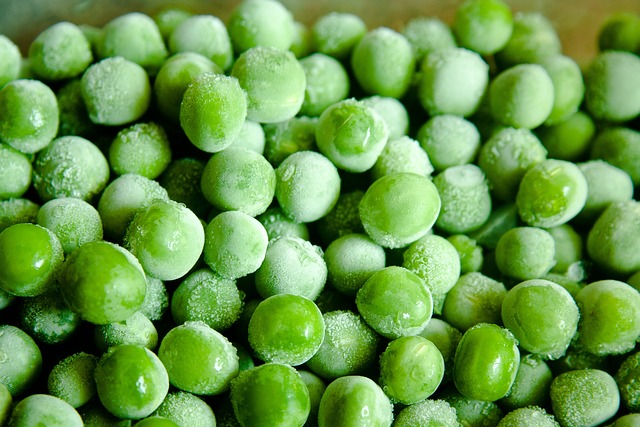
Are Frozen Peas Safe for Dogs?
Veterinary and pet-nutrition organisations generally classify plain peas as non-toxic to dogs. Freezing does not alter the basic safety profile of peas.
However, these same sources commonly discuss peas as a food requiring caution. The AKC and PetMD explain that peas are legumes and can contribute to digestive discomfort in some dogs. They also highlight that peas are often consumed as part of processed foods, where added ingredients change the risk profile.
Frozen peas are typically discussed in the same way as fresh peas, with attention focused on preparation and formulation rather than temperature or storage.
Why Frozen Peas Can Be a Problem for Some Dogs
Digestive tolerance
Pet-nutrition sources note that peas contain fibre and complex carbohydrates, which may contribute to gas or loose stools in some dogs.
Legume-related considerations
The AKC discusses peas within broader dietary conversations about legumes, noting that context and overall diet composition are important factors in how peas are evaluated.
Processing and additives
Frozen peas may be packaged with salt, sauces, or mixed vegetables. Veterinary guidance consistently flags these additions as potential sources of digestive upset.
Signs Reported When Dogs React Poorly to Peas
Veterinary sources describe the following signs when dogs experience sensitivity to peas or legume-rich foods:
- Gas
- Bloating
- Diarrhoea
- Abdominal discomfort
These signs are generally linked to digestion rather than toxicity.
Ingredients or Additives to Watch For
Frozen pea products may include ingredients that veterinary organisations frequently flag as concerns:
- ❌ Onion or garlic, sometimes included in mixed vegetable blends
- ⚠️ Added salt, common in seasoned frozen vegetables
- ⚠️ Butter or oils, associated with digestive upset
Concerns focus on added ingredients rather than peas themselves.
Puppies vs. Adult Dogs
Veterinary literature notes that puppies may have more sensitive digestive systems. Gastrointestinal reactions related to fibre and legumes may appear more readily in younger dogs, though similar effects can occur in adults.
Other Common Forms of Peas
Fresh peas
Veterinary sources discuss fresh peas similarly to frozen peas, focusing on fibre and digestion.
Canned peas
Pet-nutrition articles often highlight canned peas as higher risk due to added salt and preservatives.
Vegetables Commonly Discussed Alongside Peas
Veterinary and pet-nutrition sources often reference these vegetables when discussing legumes and fibre:
- Green beans
- Lentils
- Chickpeas
Discussions focus on digestion and formulation rather than toxicity.
Frequently Asked Questions (FAQ)
This FAQ summarises themes appearing in veterinary and pet-nutrition articles.
It is informational only and not a substitute for professional veterinary care.
Are frozen peas different from fresh peas?
Veterinary sources state that freezing does not change whether peas are safe. Preparation and added ingredients are the primary concerns.
Are peas toxic to dogs?
Veterinary organisations do not classify peas as toxic. Concerns relate to digestion, legume content, and processed forms.
Why do veterinary sources mention legumes?
The AKC discusses legumes, including peas, in the context of overall diet composition rather than identifying them as poisons.
Source Reference
This page compiles information from publicly accessible veterinary and pet-safety resources, including:
-
American Kennel Club (AKC) — “Can Dogs Eat Peas?”
https://www.akc.org/expert-advice/nutrition/can-dogs-eat-peas/ -
PetMD — “Can Dogs Eat Peas?”
https://www.petmd.com/dog/nutrition/can-dogs-eat-peas -
ASPCA Animal Poison Control — “People Foods to Avoid Feeding Your Pets”
https://www.aspca.org/pet-care/animal-poison-control/people-foods
This page is informational only and does not constitute veterinary or medical advice. Readers are encouraged to review the cited sources directly.