Are Scallops Safe for Dogs?
According to veterinary and pet-nutrition sources including the American Kennel Club and PetMD, scallops are not considered toxic to dogs when they are properly cooked and unseasoned. These sources do not list scallops among foods that cause poisoning.
However, veterinary literature generally categorises scallops as a food of caution. This reflects concerns related to preparation, fat content, and digestive tolerance rather than inherent toxicity.
Why Scallops Can Be a Problem for Some Dogs
Preparation differences
Veterinary sources note that scallops are commonly prepared with butter, oils, salt, or seasonings, which introduce risks unrelated to the scallops themselves.
Raw seafood concerns
Pet-nutrition articles highlight that raw scallops may carry bacteria or parasites, which are discussed as a potential health risk for dogs.
Rich protein and fat profile
Veterinary literature mentions that scallops are relatively rich foods, which may cause digestive upset in some dogs.
Signs Reported When Dogs React Poorly to Scallops
Veterinary and pet-nutrition sources describe the following possible signs:
- Vomiting
- Diarrhoea
- Abdominal discomfort
These effects are typically linked to digestion or preparation rather than toxicity.
Ingredients or Additives to Watch For
Veterinary sources distinguish plain scallops from prepared seafood dishes:
- ❌ Butter or oils — increase fat content
- ❌ Salt or seasonings — add sodium and irritants
- ❌ Garlic or onion — commonly used in seafood dishes and classified as toxic to dogs
- ⚠️ Breaded scallops — include coatings and additives
Puppies vs. Adult Dogs
Veterinary nutrition sources note that puppies may be more sensitive to digestive upset from rich foods. Preparation-related concerns apply to dogs of all ages.
Other Common Variants of Scallops
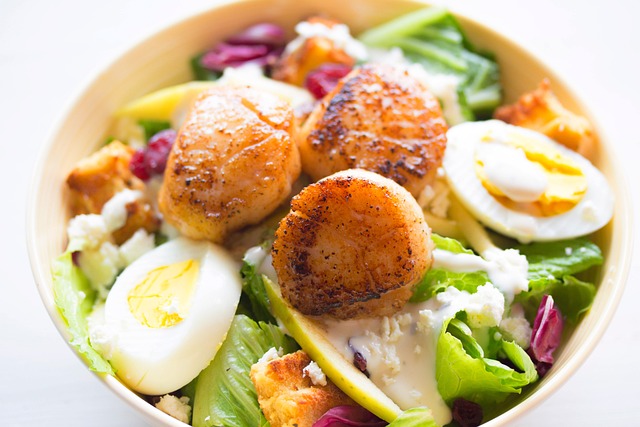
Fresh cooked scallops
Veterinary literature discusses plain cooked scallops as the safest form referenced in canine diet discussions.
Raw scallops
Pet-safety sources treat raw scallops as higher risk due to potential bacterial contamination.
Breaded or fried scallops
Veterinary sources classify these as more problematic due to oils, coatings, and seasonings.
Dog-Friendly Alternatives Mentioned in Pet-Nutrition Sources
Veterinary and pet-nutrition articles commonly reference the following seafood or protein sources in canine diet discussions:
- Plain cooked fish
- Plain cooked chicken
- Commercial dog foods with seafood proteins
Frequently Asked Questions (FAQ)
This FAQ summarises themes appearing in veterinary pet-nutrition literature.
It is informational only and not a substitute for professional veterinary care.
Are scallops toxic to dogs?
Veterinary sources do not classify scallops as toxic. Concerns relate to preparation and digestion.
Are scallops safe if cooked?
Pet-nutrition literature states that cooking reduces risks associated with raw seafood, though additives remain a concern.
Are scallops different from other shellfish?
Veterinary sources treat scallops similarly to other shellfish, noting preparation as the primary factor.
Source Reference
This page compiles information from publicly accessible veterinary and pet-nutrition resources, including:
-
American Kennel Club (AKC) — “Can Dogs Eat Scallops?”
https://www.akc.org/expert-advice/nutrition/can-dogs-eat-scallops/ -
PetMD — “Can Dogs Eat Seafood?”
https://www.petmd.com/dog/nutrition/can-dogs-eat-seafood
This page is informational only and does not constitute veterinary or medical advice. Readers are encouraged to review these sources directly.