Are Clams Safe for Dogs?
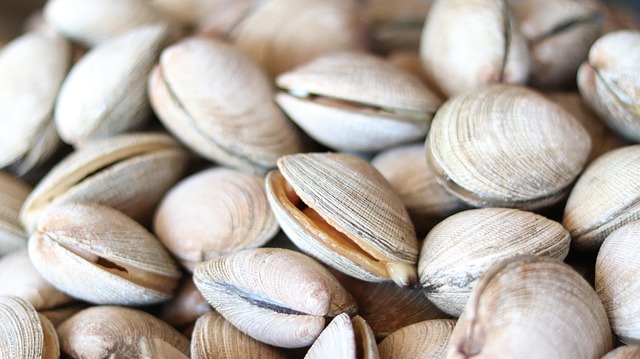
Veterinary pet-nutrition sources including the American Kennel Club and PetMD describe clams as non-toxic to dogs. Shellfish such as clams are not listed among foods that inherently cause poisoning.
However, clams are consistently discussed with caution. Veterinary literature highlights food-safety risks related to raw or undercooked shellfish, as well as concerns about sodium and additives in processed clam products.
Across authoritative sources, safety depends largely on handling, preparation, and ingredients.
Why Clams Can Be a Problem for Some Dogs
Main factors of concern
- Bacterial contamination, as raw or undercooked clams may carry harmful bacteria.
- Marine toxins, which veterinary sources note can accumulate in shellfish during harmful algal blooms.
- High sodium, commonly present in canned or preserved clams.
Portion size and dog size
Veterinary articles note that tolerance varies between individual dogs, but rich or salty foods are broadly described as more likely to cause digestive upset.
Preparation differences
Veterinary sources distinguish between plain, thoroughly cooked clams and raw, smoked, or canned clams, with processed forms raising additional concerns.
Signs Reported When Dogs React Poorly to Clams
Veterinary sources commonly associate shellfish-related issues with:
- Vomiting
- Diarrhoea
- Abdominal discomfort
More serious signs
- Signs of foodborne illness
- Neurological signs linked to marine toxins (rare but noted in veterinary literature)
Ingredients or Additives to Watch For
- ❌ Salt or brine (commonly present in canned clams)
- ❌ Butter, garlic, or onion (often used in clam dishes and classified as unsuitable or toxic)
- ⚠️ Preservatives (which may irritate the digestive tract)
Puppies vs. Adult Dogs
Veterinary sources indicate that puppies may be more sensitive to foodborne bacteria and digestive upset. Preparation-related risks apply to both puppies and adult dogs.
Other Common Variants of Clams
Raw Clams
Veterinary references commonly associate raw shellfish with bacterial and toxin-related risks.
Canned Clams
Veterinary sources note that canned clams are often high in sodium and may contain added preservatives.
Clam Chowder
Veterinary literature highlights additional concerns due to dairy, fat, salt, and onion content.
Dog-Friendly Alternatives Mentioned in Pet-Nutrition Sources
- Plain cooked fish without seasoning
- Plain cooked chicken
- Commercial dog foods containing seafood ingredients
Frequently Asked Questions (FAQ)
This FAQ summarises themes appearing in veterinary pet-care articles.
It is informational only and not a substitute for professional veterinary care.
Are clams toxic to dogs?
Veterinary sources state that clams are not toxic, but they may pose risks related to contamination and preparation.
Why is raw shellfish a concern for dogs?
Pet-nutrition references explain that raw shellfish can carry bacteria and marine toxins that may cause illness.
Are canned clams safer than fresh clams?
Veterinary articles distinguish canned clams as having fewer bacterial risks but greater sodium and additive concerns.
Source Reference
This page compiles information from publicly accessible veterinary and pet-safety resources, including:
-
American Kennel Club (AKC) — “Can Dogs Eat Clams?”
https://www.akc.org/expert-advice/nutrition/can-dogs-eat-clams/ -
PetMD — “Can Dogs Eat Clams?”
https://www.petmd.com/dog/nutrition/can-dogs-eat-clams -
VCA Hospitals — “Can Dogs Eat Shellfish?”
https://vcahospitals.com/know-your-pet/can-dogs-eat-shellfish
This page is informational only and does not constitute veterinary or medical advice. Readers are encouraged to review the cited sources directly.