Is Soda Safe for Dogs?
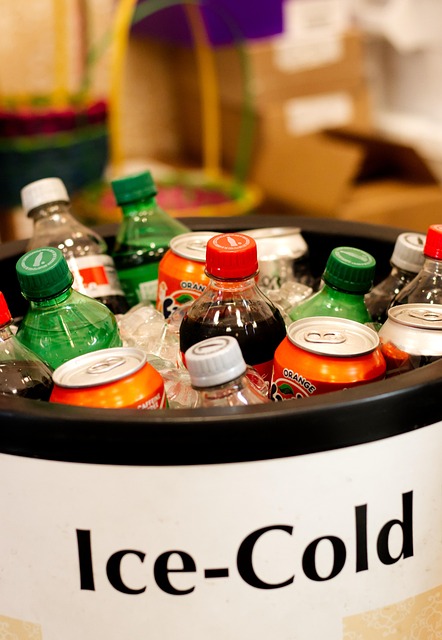
Veterinary toxicology sources consistently classify soda as unsafe for dogs. The primary concern highlighted by organisations such as the ASPCA and Pet Poison Helpline is caffeine, which is listed as toxic to dogs and is present in many soft drinks.
Even when caffeine is not present, veterinary sources note that soda still contains high sugar levels and carbonation, which are not discussed as appropriate for dogs in pet-health literature.
Why Soda Is a Problem for Dogs
Main substances of concern
- Caffeine, listed by veterinary toxicology organisations as toxic to dogs
- High sugar content, frequently noted in pet-care articles as a digestive concern
- Carbonation, which veterinary sources associate with gastrointestinal discomfort
Caffeine toxicity
According to the ASPCA and Pet Poison Helpline, caffeine can affect a dog’s nervous system and heart. Soda is specifically mentioned alongside coffee, tea, and energy drinks as a source of caffeine exposure.
Preparation and product differences
Colas and energy-style soft drinks are more commonly referenced due to caffeine content. Even caffeine-free sodas are discussed cautiously because of sugar and carbonation.
Signs Reported With Soda or Caffeine Exposure
Veterinary toxicology sources list the following signs associated with caffeine ingestion in dogs:
- Restlessness or agitation
- Increased heart rate
- Vomiting
- Diarrhoea
More serious signs
- Tremors
- Seizures
- Collapse
Ingredients or Additives to Watch For
- ❌ Caffeine, listed as toxic by ASPCA and Pet Poison Helpline
- ❌ High sugar levels, commonly cited as a digestive concern
- ⚠️ Artificial flavourings and additives, frequently present in soft drinks
Puppies vs. Adult Dogs
Veterinary sources generally note that smaller dogs and puppies may be more vulnerable to the effects of caffeine due to body size. However, caffeine toxicity concerns apply to dogs of all ages.
Other Common Beverage Variants
Diet soda
Veterinary sources continue to highlight caffeine as the primary concern in diet sodas that contain it. Diet varieties are also discussed cautiously due to artificial additives.
Energy drinks
Energy drinks are repeatedly highlighted in veterinary literature as particularly dangerous due to high caffeine concentrations.
Dog-Friendly Alternatives Mentioned in Pet-Care Sources
- Plain water
- Veterinary-formulated dog hydration products
- Moisture from dog food
Frequently Asked Questions (FAQ)
This FAQ summarises themes appearing in veterinary pet-care articles.
It is informational only and not a substitute for professional veterinary care.
Is soda toxic to dogs?
Veterinary organisations classify soda as unsafe primarily because it may contain caffeine, which is listed as toxic to dogs.
Is caffeine-free soda safe?
Veterinary sources still discuss concerns due to sugar, carbonation, and additives, even when caffeine is not present.
Why is caffeine such a concern?
Caffeine is listed in veterinary toxicology resources as affecting the nervous system and heart, making it a recognised poisoning risk for dogs.
Source Reference
This page compiles information from publicly accessible veterinary and pet-safety resources, including:
-
ASPCA — “Caffeine”
https://www.aspca.org/pet-care/animal-poison-control/people-foods/caffeine -
Pet Poison Helpline — “Caffeine”
https://www.petpoisonhelpline.com/poison/caffeine/ -
American Kennel Club (AKC) — “Caffeine and Dogs”
https://www.akc.org/expert-advice/health/caffeine-and-dogs/
This page is informational only and does not constitute veterinary or medical advice. Readers are encouraged to review the cited sources directly.