Is Tomato Sauce Safe for Dogs?
“Tomato sauce” means genuinely different things in different contexts. Before anything else:
- UK readers: In British English, “tomato sauce” typically means ketchup. See the ketchup page.
- Plain pureed tomato sauce (canned cooking base — tomato, salt, citric acid, nothing else): low risk. Continue reading below.
- Seasoned tomato sauce (garlic, onion, herbs — the pasta-style variety): a real allium hazard. See marinara sauce and pasta sauce for the full picture.
The label tells you which type you have. Check it before anything else.
Plain Pureed Tomato Sauce
The canned cooking-base product — brands like Hunt’s and Del Monte — is typically just tomato puree or paste, salt, and citric acid. No garlic. No onion. No alliums.
The hazard profile is closely parallel to tomato paste: ripe tomato flesh is non-toxic to dogs, as confirmed by the AKC, PetMD, and the ASPCA. The ASPCA’s tomato plant classification lists solanine as the toxic principle — but also explicitly states that “ripe fruit is non-toxic.” Solanine is concentrated in leaves, stems, and unripe fruit, not in ripe processed tomato. The solanine concern that follows tomatoes around online does not apply to sauce made from ripe tomatoes.
Sodium is the main practical concern for the plain product. Plain tomato sauce typically contains around 300–350mg of sodium per half-cup serving, based on typical product labelling — meaningfully higher than tomato paste (around 20–40mg per tablespoon) but modest compared to commercial broth or soy sauce. For a healthy dog that lapped up a small amount, the sodium load is unlikely to be significant. For dogs on a vet-prescribed low-sodium diet, it is worth noting. For context on sodium and dogs, see the salt page.
At larger amounts, GI upset from acidity and concentration is possible — similar to the tomato-paste picture. This is self-limiting, not toxicological.
The detailed ripe-tomato safety picture — including solanine, tomatine, and why the plant-toxicity reputation does not transfer to the fruit — is at the tomatoes and tomato-paste pages.
Seasoned Tomato Sauce
If the label lists garlic, onions, garlic powder, onion powder, or “natural flavors” without clarification, the product is functionally a pasta sauce — and the allium hazard applies. PetMD notes that “tomato sauce often contains harmful ingredients, like garlic, onion, or unsafe herbs.” The AKC flags the same: “the tomato sauce on your pizza or spaghetti likely contains additional ingredients like garlic and onions.” Garlic and onion cause oxidative red blood cell damage (Merck Veterinary Manual: haemolytic anaemia, delayed onset 3–5 days, all forms retain full toxicity).
This is the same hazard covered fully at marinara sauce. If your dog ate seasoned tomato sauce, that page has the dose calibration, action guidance, and symptoms. Route there; don’t treat this as a plain-tomato-sauce incident.
Reading the Label: Which Type Do You Have?
Plain cooking-base type: Ingredient list is short — tomato puree or paste, salt, possibly citric acid. That’s it. No other named ingredients.
Seasoned type: Garlic, onion, herbs, spices, or “natural flavors” appear anywhere in the list.
If the label is unavailable (open container, no packaging), treat it as seasoned — the allium concern warrants the more cautious response.
Symptoms to Watch For
From plain tomato sauce in larger amounts:
- Mild vomiting, loose stools, stomach discomfort
- Self-limiting; reflects GI sensitivity, not toxicological harm
- Increased thirst or urination if salt load was meaningful
From seasoned tomato sauce (allium exposure):
- Onset delayed 3–5 days — dog may appear normal initially
- Lethargy, weakness, pale or yellowish gums
- Rapid heart rate, laboured breathing, dark urine
If alliums were present, contact your vet — do not wait for symptoms.
What To Do
Dog licked plain tomato sauce: Low concern. Monitor for mild GI upset. No vet call needed unless symptoms persist or the dog is small or has kidney or cardiac disease.
Dog ate a significant amount of plain tomato sauce: Monitor for GI upset and note the sodium load if it was a large quantity. Call your vet if symptoms are severe or last more than 12 hours.
Dog ate seasoned tomato sauce: Check the label for garlic and onion. If present: call your vet. Allium toxicosis onset is delayed 3–5 days; early intervention produces the best outcomes.
Frequently Asked Questions
This FAQ summarises general veterinary guidance. It’s informational only and not a substitute for advice from your own vet, who knows your dog.
Is Hunt’s-style plain tomato sauce safe for dogs?
Plain tomato sauce with no garlic or onion is low risk. Ripe tomato is non-toxic, and the main concern at small quantities is modest sodium. A dog that lapped up some plain canned tomato sauce is not in acute danger. Monitor for mild GI upset.
My dog ate pasta with tomato sauce — is that different?
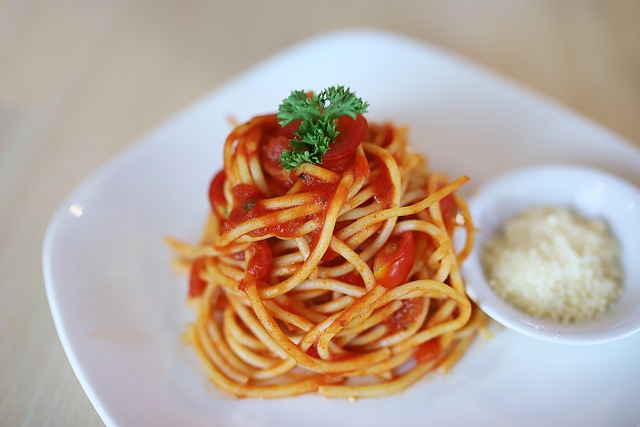
If the sauce was a seasoned pasta-style product (garlic, onion, herbs), yes — that’s a different exposure. See the marinara sauce page for the calibrated guidance. If the sauce was plain pureed tomato with no alliums, the risk is low.
Why do some sites say tomato sauce is toxic?
The “tomato = toxic” concern originates from solanine in tomato plant parts (leaves, stems, unripe fruit). Ripe tomatoes and products made from ripe tomatoes don’t carry meaningful solanine levels — confirmed by the AKC, PetMD, and the ASPCA. The concern transfers from the plant to the fruit online more than the toxicology supports. Seasoned sauces are a separate and legitimate concern — but the hazard is the garlic and onion, not the tomato.
I’m in the UK — is tomato sauce safe for dogs?
In British English, “tomato sauce” is ketchup. See the ketchup page for that answer.
About This Guide
This guide was researched and written by Claire Donnelly for Is It Safe For My Dog?. We are not veterinarians. Each guide is compiled from published, publicly accessible veterinary and toxicology sources — for this page, the American Kennel Club, PetMD, the ASPCA, and the Merck Veterinary Manual — and cross-checked before publication. This is general information to help you understand the risk; it does not replace a consultation with your vet.
Sources for the figures on this page
- American Kennel Club — Can Dogs Eat Tomatoes? (ripe tomatoes non-toxic; solanine concentrated in green plant parts; “the tomato sauce on your pizza or spaghetti likely contains additional ingredients like garlic and onions, which can also cause gastrointestinal distress”)
- PetMD — Can Dogs Eat Tomatoes? (ripe tomatoes safe; “tomato sauce often contains harmful ingredients, like garlic, onion, or unsafe herbs”; ketchup flagged for sugar, salt, and possible xylitol)
- ASPCA — Tomato Plant (toxic principle: solanine; ripe fruit explicitly classified non-toxic; clinical signs from plant parts: hypersalivation, inappetence, severe GI upset, depression, weakness, dilated pupils, slow heart rate)
- Merck Veterinary Manual — Garlic and Onion (Allium spp.) Toxicosis in Animals (toxic dose: onion 15–30 g/kg body weight; garlic 3–5× more potent; all forms retain full toxicity; onset 3–5 days; mechanism: oxidative RBC damage, Heinz body formation, haemolytic anaemia; applied here to seasoned tomato sauce containing alliums)
- Sodium figure — ~300–350mg per half-cup serving for plain canned tomato sauce: based on typical product labelling across major brands; no single manufacturer URL confirmed at time of writing
This page is informational only and does not constitute veterinary or medical advice.