Are Tortillas Safe for Dogs?
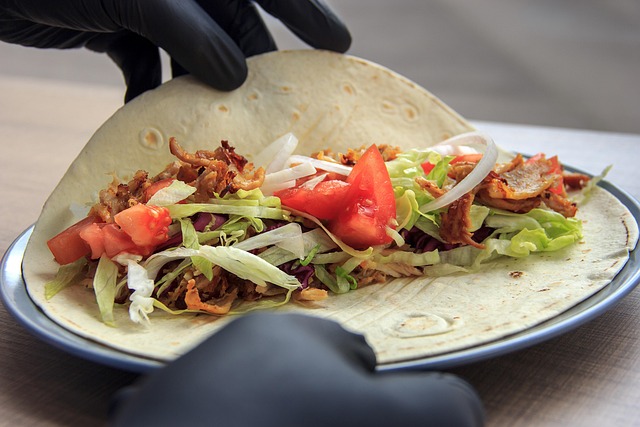
Veterinary and pet-nutrition sources generally classify tortillas as non-toxic, but they are commonly discussed under a caution category. While the base ingredients (corn or wheat flour) are not listed as toxic, tortillas are processed grain products that may include salt, oils, and preservatives.
The AKC and PetMD discuss tortilla chips and similar products as foods that can contribute to digestive issues due to added ingredients. VCA Hospitals similarly notes that many processed people foods are not ideal for dogs.
Why Tortillas Can Be a Problem for Some Dogs
Main concerns noted by veterinary sources
- Added salt, commonly present in packaged tortillas
- Oils or fats, used in preparation and preservation
- Processing and preservatives, which may affect digestion
Portion size and dog size
Veterinary articles note that smaller dogs may experience digestive effects more quickly, but sensitivity to processed grains can occur in dogs of all sizes.
Preparation differences
Veterinary sources distinguish plain, unseasoned tortillas from flavoured, fried, or seasoned varieties. Corn and flour tortillas are discussed similarly, with emphasis on processing rather than the grain itself.
Signs Reported When Dogs React Poorly to Tortillas
Veterinary and pet-care resources commonly associate reactions with digestive signs, including:
- Vomiting
- Diarrhoea
- Abdominal discomfort
Less commonly discussed concerns
- Excessive thirst linked to salt intake
- Weight gain when refined carbohydrates are consumed frequently
Ingredients or Additives to Watch For
- ❌ Salt, frequently highlighted as a concern in processed grain products
- ❌ Seasonings or flavourings, sometimes added to wraps or flavoured tortillas
- ⚠️ Preservatives or oils, depending on brand and formulation
Puppies vs. Adult Dogs
Veterinary sources generally indicate that puppies may have more sensitive digestive systems than adult dogs. However, processed grain concerns apply to dogs of all ages.
Other Common Tortilla Variants
Flour tortillas
Flour tortillas are discussed similarly to corn tortillas, with attention focused on processing and added ingredients.
Whole wheat tortillas
Whole wheat tortillas are addressed under the same caution category, as added salt and oils remain the primary concerns.
Dog-Friendly Alternatives Mentioned in Pet-Nutrition Sources
- Plain cooked rice
- Plain cooked pasta
- Commercial dog treats formulated with grains
Frequently Asked Questions (FAQ)
This FAQ summarises themes appearing in veterinary pet-care articles.
It is informational only and not a substitute for professional veterinary care.
Are tortillas toxic to dogs?
Veterinary sources do not classify tortillas as toxic, but they consistently highlight digestive risks related to processing and added ingredients.
Are corn tortillas safer than flour tortillas?
Pet-nutrition articles do not make a strong distinction between corn and flour tortillas, focusing instead on salt, oils, and processing.
Why are processed grain foods discussed cautiously?
Veterinary sources note that processed grain products often contain salt and fats that may contribute to digestive upset in dogs.
Source Reference
This page compiles information from publicly accessible veterinary and pet-safety resources, including:
-
American Kennel Club (AKC) — “Can Dogs Eat Tortilla Chips?”
https://www.akc.org/expert-advice/nutrition/can-dogs-eat-tortilla-chips/ -
PetMD — “Can Dogs Eat Tortilla Chips?”
https://www.petmd.com/dog/nutrition/can-dogs-eat-tortilla-chips -
VCA Hospitals — “Snacks and People Foods for Dogs”
https://vcahospitals.com/know-your-pet/snacks-and-people-foods-for-dogs
This page is informational only and does not constitute veterinary or medical advice. Readers are encouraged to review the cited sources directly.