Is Tuna Safe for Dogs?
Veterinary and pet-nutrition sources generally agree that tuna is not toxic to dogs, but it is commonly discussed under a caution classification. The AKC and PetMD both explain that tuna differs from many other fish due to higher mercury levels, which are a recurring concern in veterinary nutrition discussions.
VCA Hospitals also notes that fish and fish products can be part of canine diets, but preparation and type of fish matter.
Why Tuna Can Be a Problem for Some Dogs
Main concerns noted by veterinary sources
- Mercury content, which is higher in tuna than in many other fish
- Added salt, commonly present in canned tuna products
- Digestive sensitivity, particularly with rich or processed foods
Mercury considerations
Veterinary articles frequently note that mercury accumulation is a concern with certain fish. Tuna is often cited as a fish that warrants more caution compared with smaller fish species.
Preparation differences
Veterinary sources distinguish plain, cooked tuna from canned tuna, which may contain added salt or oils. Flavoured or seasoned tuna products are discussed more cautiously.
Signs Reported When Dogs React Poorly to Tuna
Veterinary and pet-care resources commonly associate tuna-related reactions with digestive signs, including:
- Vomiting
- Diarrhoea
- Abdominal discomfort
Less commonly discussed concerns
- Sensitivity reactions with repeated exposure
- Nutritional imbalance when tuna is consumed frequently
Ingredients or Additives to Watch For
- ❌ Added salt, frequently present in canned tuna
- ❌ Oils or flavourings, sometimes included in packaged products
- ⚠️ Seasonings, which may irritate the digestive system
Puppies vs. Adult Dogs
Veterinary sources generally indicate that puppies may be more sensitive to dietary imbalances and rich foods. Mercury-related concerns apply to dogs of all ages.
Other Common Tuna Variants
Canned tuna
Veterinary articles discuss canned tuna cautiously due to salt content and processing.
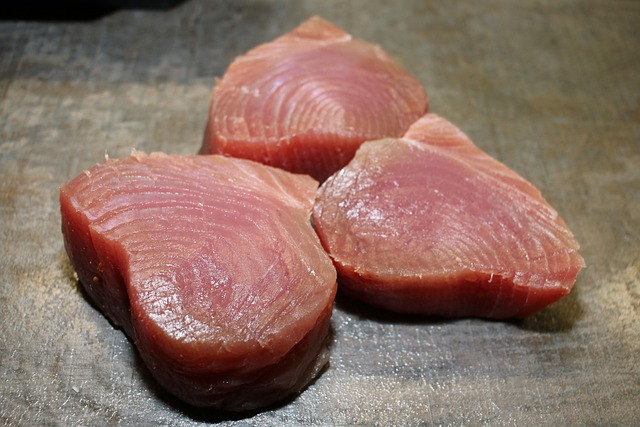
Raw tuna
Raw fish is addressed separately in veterinary literature due to bacterial and parasite concerns, which are distinct from tuna-specific issues.
Dog-Friendly Alternatives Mentioned in Pet-Nutrition Sources
- Plain cooked salmon
- Plain cooked white fish
- Commercial dog foods containing fish
- Veterinary-formulated dog treats
Frequently Asked Questions (FAQ)
This FAQ summarises themes appearing in veterinary pet-care articles.
It is informational only and not a substitute for professional veterinary care.
Is tuna toxic to dogs?
Veterinary sources do not classify tuna as toxic, but they consistently highlight mercury and preparation-related risks.
Why is mercury mentioned so often?
Pet-nutrition articles note that tuna contains higher mercury levels than many other fish, which influences its caution classification.
Is canned tuna different from fresh tuna?
Veterinary sources explain that canned tuna often contains added salt or oils, increasing digestive and dietary concerns.
Source Reference
This page compiles information from publicly accessible veterinary and pet-safety resources, including:
-
American Kennel Club (AKC) — “Can Dogs Eat Tuna?”
https://www.akc.org/expert-advice/nutrition/can-dogs-eat-tuna/ -
PetMD — “Can Dogs Eat Tuna?”
https://www.petmd.com/dog/nutrition/can-dogs-eat-tuna -
VCA Hospitals — “Fish and Fish Products in Dogs”
https://vcahospitals.com/know-your-pet/fish-and-fish-products-in-dogs
This page is informational only and does not constitute veterinary or medical advice. Readers are encouraged to review the cited sources directly.