Is Vanilla Extract Safe for Dogs?
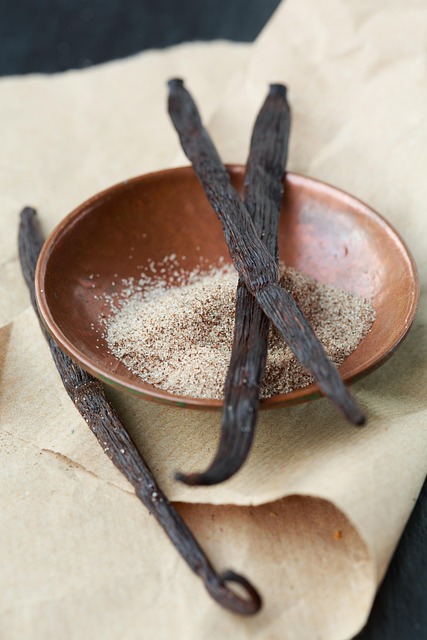
Veterinary toxicology sources consistently classify vanilla extract as unsafe for dogs. The primary concern is its high alcohol content, which is listed by the ASPCA and Pet Poison Helpline as toxic to dogs.
Pure vanilla extract typically contains a significant percentage of alcohol, making it fundamentally different from vanilla-flavoured foods or products that do not contain alcohol.
Why Vanilla Extract Is Dangerous for Dogs
Main substance of concern
- Alcohol (ethanol), identified by veterinary toxicology organisations as toxic to dogs
Alcohol affects the nervous system and can cause serious systemic effects in dogs, even in relatively small amounts.
Concentration concerns
Veterinary sources highlight that vanilla extract is highly concentrated, meaning even small quantities contain a significant amount of alcohol compared with many other foods.
Product differences
Pure vanilla extract is discussed differently from imitation vanilla flavouring, which may contain less or no alcohol but can include other additives. Veterinary sources still caution against both due to formulation and concentration.
Signs Reported With Alcohol Exposure in Dogs
Veterinary toxicology sources list the following signs associated with alcohol ingestion:
- Vomiting
- Diarrhoea
- Lethargy
- Disorientation
More serious signs
- Tremors
- Difficulty breathing
- Low body temperature
- Seizures
- Collapse
Ingredients or Additives to Watch For
- ❌ Alcohol, the primary toxic concern
- ⚠️ Other flavouring agents, depending on formulation
Puppies vs. Adult Dogs
Veterinary sources note that puppies and smaller dogs are at greater risk of alcohol poisoning due to lower body weight. However, alcohol is toxic to dogs of all ages.
Other Common Vanilla Products
Vanilla-flavoured baked goods
Veterinary articles discuss baked goods separately, noting that alcohol may evaporate during baking, but other ingredients such as sugar, butter, chocolate, or artificial sweeteners may pose additional concerns.
Imitation vanilla flavouring
Imitation vanilla may contain less alcohol, but veterinary sources still discuss these products cautiously due to additives and lack of nutritional value for dogs.
Dog-Friendly Alternatives Mentioned in Pet-Care Sources
- Plain water
- Balanced commercial dog foods
- Veterinary-formulated dog treats
Frequently Asked Questions (FAQ)
This FAQ summarises themes appearing in veterinary pet-care articles.
It is informational only and not a substitute for professional veterinary care.
Is vanilla extract toxic to dogs?
Veterinary organisations classify vanilla extract as toxic due to its high alcohol content.
Why is alcohol so dangerous for dogs?
According to veterinary toxicology resources, alcohol can depress the nervous system and lead to serious, potentially life-threatening effects in dogs.
Is vanilla flavouring the same as vanilla extract?
Veterinary sources distinguish vanilla extract as particularly concerning due to alcohol, while other flavourings vary by formulation and still warrant caution.
Source Reference
This page compiles information from publicly accessible veterinary and pet-safety resources, including:
-
ASPCA — “Alcohol”
https://www.aspca.org/pet-care/animal-poison-control/people-foods/alcohol -
Pet Poison Helpline — “Alcohol Poisoning”
https://www.petpoisonhelpline.com/poison/alcohol/ -
American Kennel Club (AKC) — “Can Dogs Eat Vanilla?”
https://www.akc.org/expert-advice/nutrition/can-dogs-eat-vanilla/
This page is informational only and does not constitute veterinary or medical advice. Readers are encouraged to review the cited sources directly.