Is Vegetable Oil Safe for Dogs?
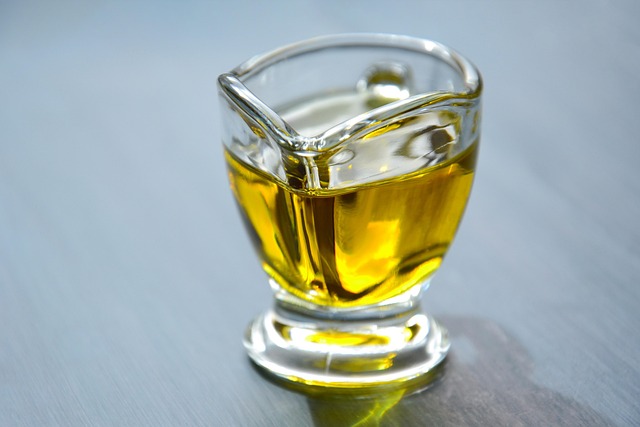
Veterinary and pet-nutrition sources generally agree that vegetable oil is not toxic to dogs, but it is commonly discussed under a caution classification. The AKC and PetMD both explain that while vegetable oils do not contain substances classified as poisonous, they are pure fats, which can be difficult for dogs to tolerate in certain situations.
VCA Hospitals also notes that fat plays a role in canine diets, but excessive or unbalanced fat intake may lead to digestive issues.
Why Vegetable Oil Can Be a Problem for Some Dogs
Main concerns noted by veterinary sources
- High fat content, which may overwhelm the digestive system
- Calorie density, which may contribute to weight gain
- Digestive sensitivity, particularly in dogs prone to gastrointestinal upset
Portion size and dog size
Veterinary articles note that smaller dogs may experience digestive effects more quickly due to lower body weight. However, sensitivity to high-fat foods can occur in dogs of all sizes.
Preparation differences
Vegetable oil is discussed differently from oils naturally present in whole foods. Refined cooking oils are more concentrated and lack the balance found in formulated dog foods.
Signs Reported When Dogs React Poorly to Vegetable Oil
Veterinary and pet-care resources commonly associate reactions with digestive signs, including:
- Diarrhoea
- Vomiting
- Greasy stools
More serious concerns noted in veterinary literature
- Pancreatic irritation associated with high-fat intake
- Worsening of existing gastrointestinal conditions
Ingredients or Additives to Watch For
- ❌ Large amounts of fat, the primary concern with vegetable oil
- ⚠️ Mixed oils, which may include multiple fat sources with varying tolerance
Puppies vs. Adult Dogs
Veterinary sources generally indicate that puppies may have more sensitive digestive systems. However, fat-related digestive concerns apply to dogs of all ages.
Other Common Oil Variants
Canola, corn, and soybean oil
Veterinary articles generally discuss these oils similarly, focusing on fat content rather than toxicity.
Cooking oils in prepared foods
Prepared foods containing vegetable oil are discussed cautiously due to combined effects of fat, salt, and processing.
Dog-Friendly Alternatives Mentioned in Pet-Nutrition Sources
- Balanced commercial dog foods
- Veterinary-formulated diets with controlled fat levels
- Moisture from plain foods
Frequently Asked Questions (FAQ)
This FAQ summarises themes appearing in veterinary pet-care articles.
It is informational only and not a substitute for professional veterinary care.
Is vegetable oil toxic to dogs?
Veterinary sources do not classify vegetable oil as toxic, but they consistently highlight digestive risks related to high fat content.
Why is fat a concern for dogs?
Pet-nutrition articles explain that excess fat can cause digestive upset and may contribute to pancreatic and gastrointestinal issues.
Is vegetable oil different from fats in dog food?
Veterinary sources note that fats in dog food are balanced and formulated, whereas pure oils are highly concentrated and lack nutritional balance.
Source Reference
This page compiles information from publicly accessible veterinary and pet-safety resources, including:
-
American Kennel Club (AKC) — “Can Dogs Eat Vegetable Oil?”
https://www.akc.org/expert-advice/nutrition/can-dogs-eat-vegetable-oil/ -
PetMD — “Can Dogs Eat Cooking Oil?”
https://www.petmd.com/dog/nutrition/can-dogs-eat-cooking-oil -
VCA Hospitals — “Fats in Dog Food”
https://vcahospitals.com/know-your-pet/fats-in-dog-food
This page is informational only and does not constitute veterinary or medical advice. Readers are encouraged to review the cited sources directly.