Is Pasta Sauce Safe for Dogs?
The answer depends on what kind of pasta sauce it is. “Pasta sauce” covers a wide range of products with meaningfully different hazard profiles — and knowing which type your dog encountered is the first practical step.
PetMD’s position is that pasta sauce “should never be given to a dog,” citing garlic, onion, butter, and cheese as concerns. Those are the right ingredients to focus on, but the framing collapses the picture: a lick of tomato sauce off a plate is a very different exposure from a dog that ate a bowl of pasta with alfredo. This page takes a calibrated, type-by-type view — the hazards are real; the severity varies.
Red and Tomato-Based Sauces
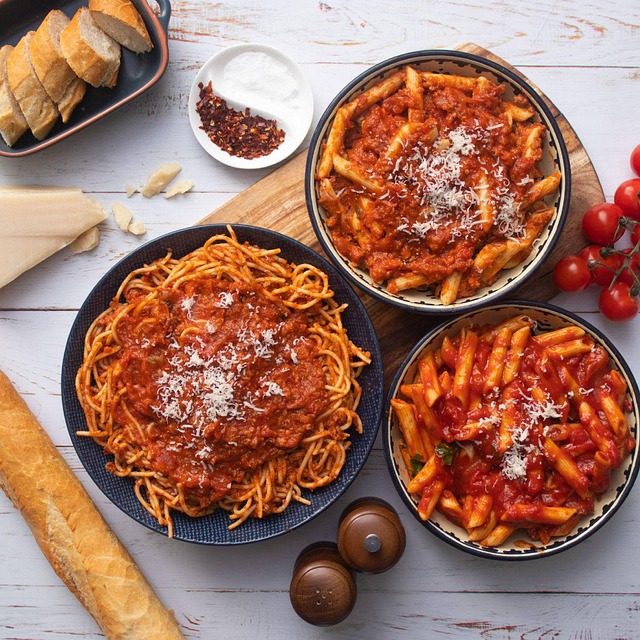
This is the dominant case — what most people have in mind when they search “can dogs eat pasta sauce.” Marinara, bolognese, arrabbiata, and tomato-herb sauces all belong here.
The hazard is garlic and onion. Both are standard aromatics in red pasta sauces, and both are allium toxins: they cause oxidative damage to red blood cells leading to Heinz body formation and haemolytic anaemia (Merck Veterinary Manual). The AKC makes the connection directly: “the tomato sauce on your pizza or spaghetti likely contains additional ingredients like garlic and onions, which can also cause gastrointestinal distress.” Cooked, dried, and powdered alliums retain full toxicity. The ripe tomato itself is not the concern — the tomato-paste and tomato-sauce pages cover that picture.
A lick of sauce off a plate is unlikely to be a crisis for a healthy medium or large dog. A significant serving — a dog that finished the pasta bowl — is a meaningful allium exposure. Regular exposure (pasta leftovers as a habit) is a cumulative risk even when individual portions seem small. The full treatment — dose calibration, product evidence, what to do — is at the marinara sauce page. If your dog ate red pasta sauce, that is where to go next.
Cream and Alfredo-Based Sauces
This is the section with no dedicated page elsewhere on the site. Cream-based pasta sauces — alfredo, carbonara, rosé, creamy mushroom — present a different and less commonly explained hazard profile: two separate concerns that compound each other, with a third almost always added on top.
Dairy: lactose intolerance
Heavy cream, butter, and cream cheese are concentrated dairy. The ASPCA notes that pets “do not possess significant amounts of lactase” — the enzyme that breaks down lactose — and that dairy-based products “can cause diarrhoea or other digestive upset.” Many dogs respond to a significant cream-sauce meal with vomiting, diarrhoea, gas, and abdominal discomfort. The severity varies between individual dogs, but lactose intolerance is common enough that cream-based pasta is a meaningful GI risk for many dogs regardless of any other ingredient. For the broader picture on dairy and dogs, see the milk page.
Fat load and pancreatitis
Separate from lactose, cream sauces are extremely fat-dense. Alfredo made with butter, heavy cream, and parmesan combines three high-fat ingredients in a single dish. PetMD specifically flags cheese in pasta sauce as capable of triggering pancreatitis. Pancreatitis — inflammation of the pancreas triggered by a sudden high-fat load — can range from uncomfortable GI distress to a serious condition requiring veterinary care. Dogs with a history of pancreatitis, or breeds prone to it, face particular risk from cream-sauce exposure. A large serving of alfredo is one of the higher-fat food encounters a dog is likely to have.
Garlic: near-universal in commercial and restaurant alfredo
Most commercial jarred alfredo sauces and the vast majority of restaurant and homemade recipes include garlic as a standard ingredient. This adds the full allium concern on top of the dairy and fat picture. A dog that eats a meaningful portion of commercial alfredo is likely receiving a combined hit: lactose intolerance, a fat load, and an allium dose. Check the ingredient list; if garlic appears in any form — fresh, powder, or extract — the allium guidance applies alongside the dairy concern. For garlic’s specific hazard, see garlic.
Pesto-Based Pasta Sauces
The hazard here is garlic — pesto is one of the most garlic-dense foods in a typical kitchen. The full treatment, including dose thresholds and what to do, is at the pesto page.
Other Pasta Sauces
Wine and butter-based sauces (scampi, aglio e olio, white wine pasta): The primary concern is garlic — these sauces are typically built around it. For the alcohol question specifically, see the wine page; cooking evaporates most of the alcohol, making garlic the more material hazard for dogs.
Vodka sauce: Combines a tomato base, cream, and garlic. Both the red-sauce and cream-sauce concerns apply.
Across all pasta sauce types, garlic is the primary recurring concern. If the sauce contains garlic or onions in any form, those pages carry the relevant action guidance. Commercial sauces also typically contain substantial added salt regardless of type — see that page for sodium context.
What To Do If Your Dog Ate Pasta Sauce
A small taste from the plate (any sauce type): Low to moderate concern for most healthy medium or large dogs. Note what sauce it was and watch for symptoms.
Red or tomato-based sauce, significant serving: Check the label or recipe for garlic and onion. If alliums are present: call your vet. Allium toxicosis has a delayed onset of 3–5 days — a dog that seems fine the same evening is not necessarily out of danger.
Cream or alfredo sauce, significant serving: Monitor for GI upset (vomiting, diarrhoea) from the dairy and fat load. Also check for garlic. If garlic is present and the serving was substantial: call your vet for the allium concern. Watch for signs of pancreatitis in the hours following — vomiting, abdominal pain, lethargy, loss of appetite. If these appear, contact your vet.
Any sauce — small dog, puppy, or a dog with a history of pancreatitis: Call your vet. Small dogs reach allium and fat thresholds at lower absolute quantities; dogs with prior pancreatitis are particularly vulnerable to high-fat exposures.
Regular exposure as a habit: Stop it and mention it at your next vet visit. Cumulative allium exposure adds up below the threshold for any single incident, and regular cream-sauce exposure maintains a persistent fat load.
Frequently Asked Questions
This FAQ summarises general veterinary guidance. It’s informational only and not a substitute for advice from your own vet, who knows your dog.
My dog ate pasta with marinara — what should I do?
Estimate how much sauce was involved. A small taste: low concern for a medium or large dog. A full serving: check for garlic and onion; if present, call your vet. The full guidance is at the marinara sauce page.
Is alfredo safer than tomato sauce because there’s no tomato?
No — alfredo typically has its own hazard profile that can be more serious, not less. The dairy fat load raises pancreatitis risk; the lactose causes GI upset in many dogs; and commercial alfredo almost always contains garlic. A dog that ate a significant amount of alfredo sauce should be monitored for both GI symptoms and allium-related symptoms, and a vet call is warranted.
Does cooking the sauce neutralise the garlic?
No. The Merck Veterinary Manual is explicit: cooked garlic and onion retain their full allium toxicity. Simmering, reducing, and roasting do not neutralise the compounds responsible for oxidative red blood cell damage.
Can dogs eat plain pasta with no sauce?
Plain cooked pasta without sauce or seasoning is not toxic to dogs, but it offers essentially no nutritional value. PetMD describes it as “mostly empty calories.” The concern is the sauce, not the pasta itself.
The sauce lists “natural flavors” — is that a concern?
Possibly. “Natural flavors” is a regulatory category that can include garlic and onion extracts without naming them. If a sauce lists natural flavors without further clarification, treat it as potentially containing alliums. The marinara sauce page covers the full label-reading guidance on this point.
About This Guide
This guide was researched and written by Claire Donnelly for Is It Safe For My Dog?. We are not veterinarians. Each guide is compiled from published, publicly accessible veterinary and toxicology sources — for this page, the Merck Veterinary Manual, the ASPCA, the American Kennel Club, and PetMD — and cross-checked before publication. This is general information to help you understand the risk; it does not replace a consultation with your vet.
Sources for the figures on this page
- Merck Veterinary Manual — Garlic and Onion (Allium spp.) Toxicosis in Animals (toxic dose: onion 15–30 g/kg body weight; garlic 3–5× more potent; all forms — raw, cooked, dehydrated, powdered — retain full toxicity; onset 3–5 days after exposure; mechanism: oxidative RBC damage, Heinz body formation, haemolytic anaemia)
- ASPCA — People Foods to Avoid Feeding Your Pets (dairy: “pets do not possess significant amounts of lactase” → diarrhoea and digestive upset; onion and garlic: allium toxins, GI irritation and red blood cell damage leading to anaemia)
- American Kennel Club — Can Dogs Eat Tomatoes? (direct statement: “the tomato sauce on your pizza or spaghetti likely contains additional ingredients like garlic and onions, which can also cause gastrointestinal distress”; ripe tomato flesh non-toxic to dogs)
- PetMD — Can Dogs Eat Pasta? (pasta sauce identified as a concern; garlic and onion “strictly off-limits”; butter flagged as problematic; cheese noted as capable of causing “lactose intolerance issues, gastrointestinal distress, or trigger pancreatitis”; note: PetMD’s blanket position that pasta sauce “should never be given to a dog” reflects the typical presence of these ingredients, not a categorical sauce toxicity — this page takes a sauce-type and dose-calibrated view of the same underlying concerns)
This page is informational only and does not constitute veterinary or medical advice.