 Caution
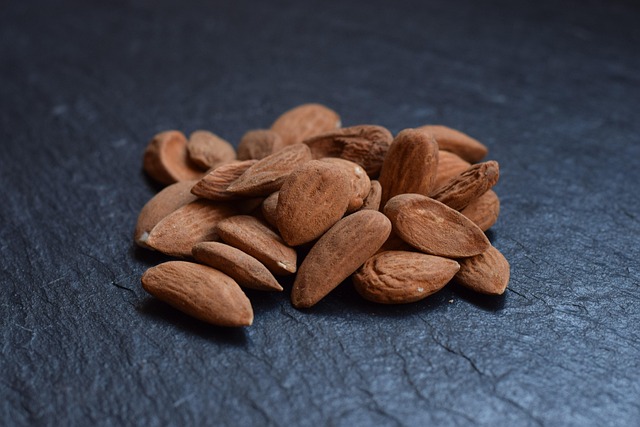
 Almonds
Veterinary organisations generally classify almonds as unsuitable for dogs due to digestive difficulty, high fat content, and choking or obstruction risks, even though they are not considered toxic in the same way as macadamia nuts.
Read full guide →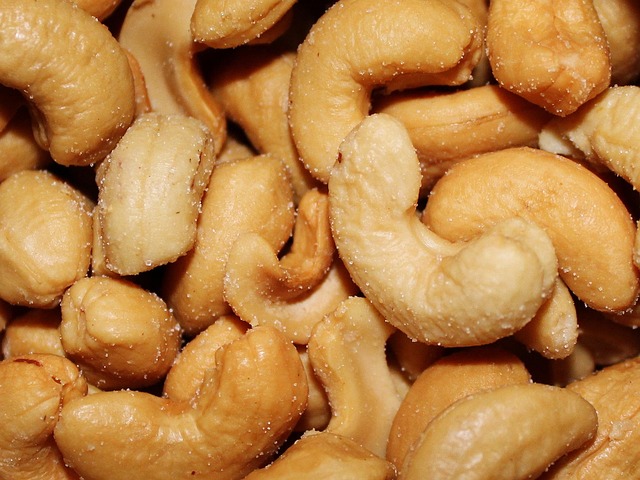 Caution
 Cashews
Veterinary pet-care sources state that cashews are not toxic to dogs, but they are high in fat and are often salted or seasoned, which may contribute to digestive upset and other health concerns.
Read full guide →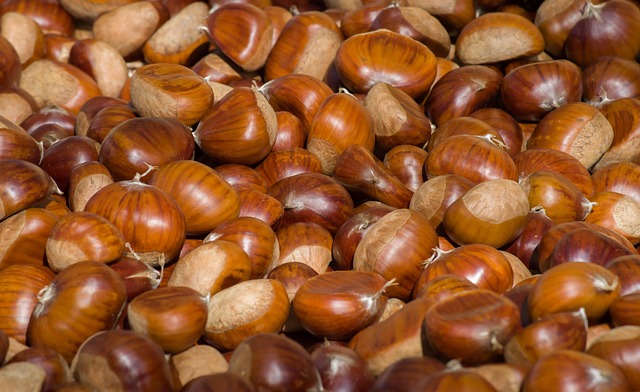 Safe
Safe Chestnuts
Sweet chestnuts — the edible roasting kind — are safe for dogs: no toxin, and unusually for a nut, very low in fat, so they don't carry the fat concern almonds and walnuts do. One vital naming catch first: horse chestnuts and buckeyes share the name 'chestnut' but are a different, toxic plant. This page is about the edible sweet chestnut; roast it, shell it, and a few plain pieces are a fine treat.
Read full guide →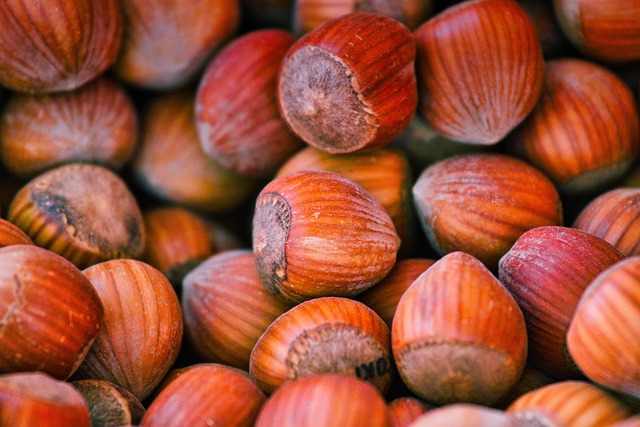 Caution
 Hazelnuts
Veterinary and pet-nutrition sources generally describe hazelnuts as non-toxic to dogs, but note risks related to choking, high fat content, and digestive upset.
Read full guide →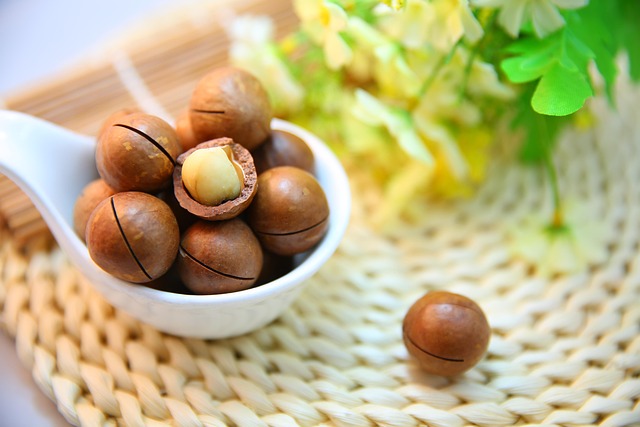 Toxic
Toxic Macadamia Nuts
Veterinary toxicology organisations classify macadamia nuts as toxic to dogs because ingestion has been linked to weakness, tremors, vomiting, and other neurological signs.
Read full guide →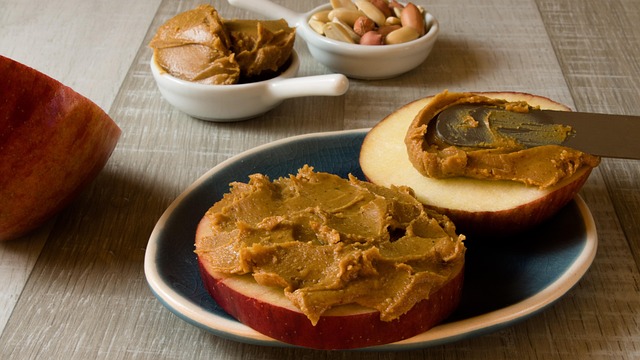 Caution
 Nut Butter
Veterinary and pet-safety sources describe some nut butters as non-toxic to dogs, but warn about serious risks from xylitol and concerns related to fat, salt, and added ingredients.
Read full guide →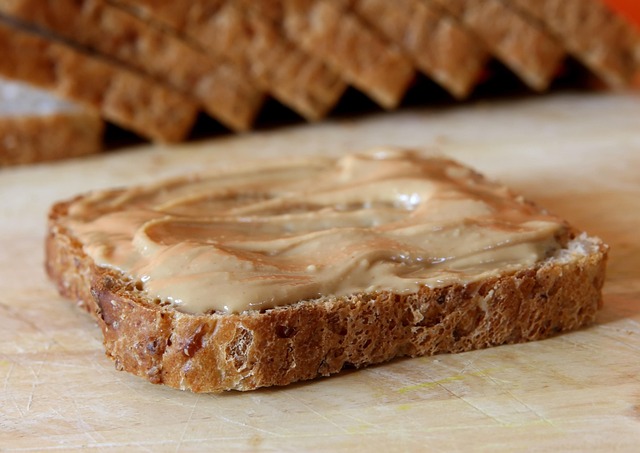 Caution
 Peanut Butter
Standard peanut butter is fine for dogs — but xylitol-sweetened peanut butter is a genuine veterinary emergency. The whole task is telling the two apart. This page gives the xylitol dose math and clear label-reading guidance, not a safe/unsafe binary.
Read full guide →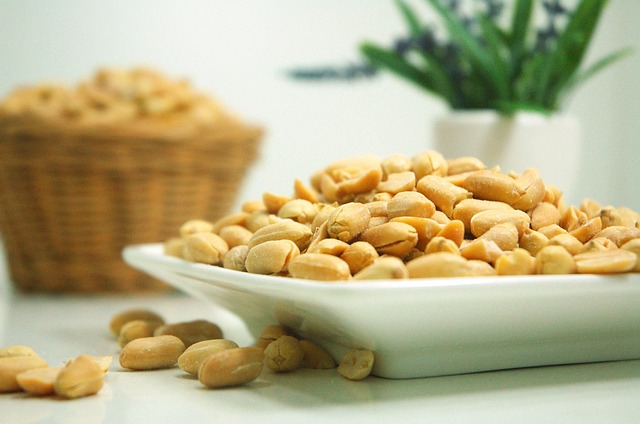 Caution
 Peanuts
Veterinary and pet-nutrition sources describe peanuts as not toxic to dogs but note risks related to high fat content, salt, and added ingredients commonly found in processed peanut products.
Read full guide →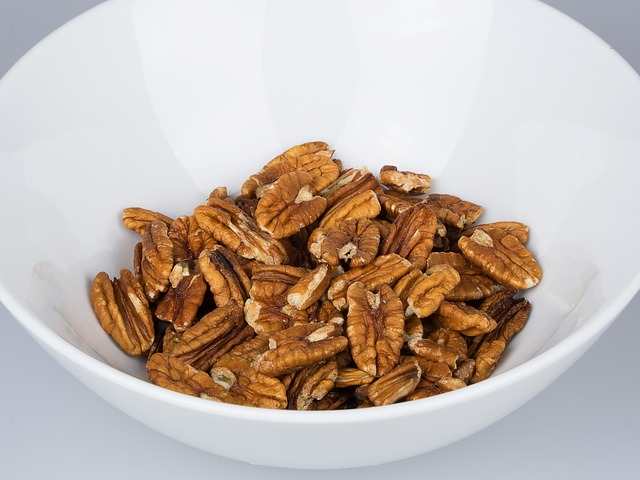 Toxic
Toxic Pecans
Veterinary and pet-safety sources classify pecans as unsafe for dogs due to their high fat content and the risk of mycotoxin contamination, which can cause serious illness.
Read full guide →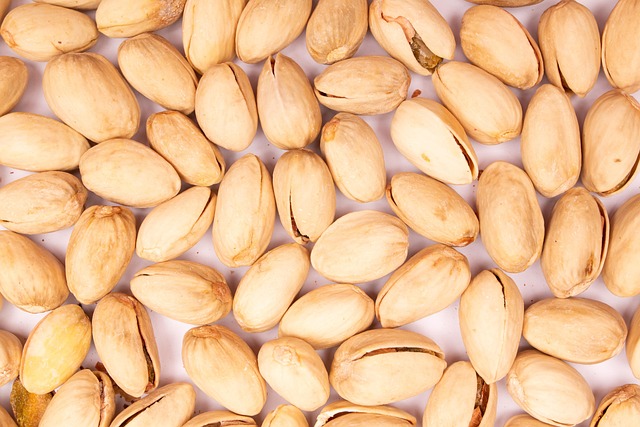 Toxic
Toxic Pistachios
Veterinary and pet-safety sources classify pistachios as unsafe for dogs due to risks from mold-related mycotoxins, high fat content, salt, and the potential for gastrointestinal obstruction from shells.
Read full guide →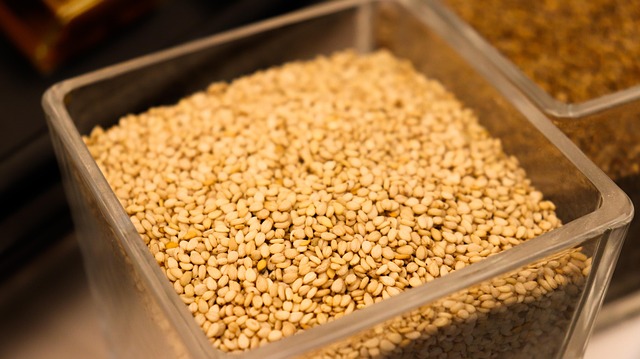 Caution
 Sesame Seeds
Veterinary and pet-nutrition sources describe sesame seeds as not toxic to dogs, while noting potential digestive upset due to fat content and the way seeds are commonly prepared or used.
Read full guide →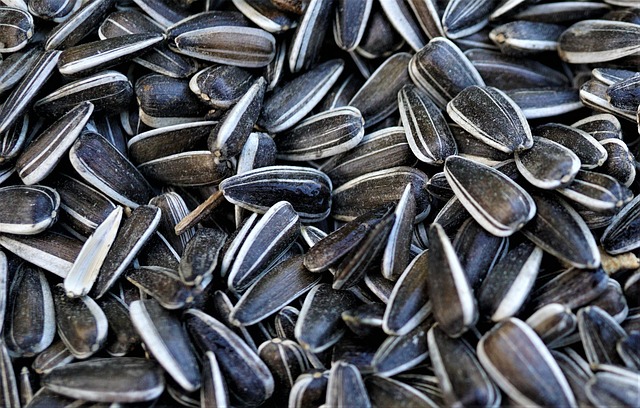 Caution
 Sunflower Seeds
Sunflower seeds are not considered toxic to dogs, but veterinary sources note concerns related to shells, salt, and fat content commonly found in packaged varieties.
Read full guide →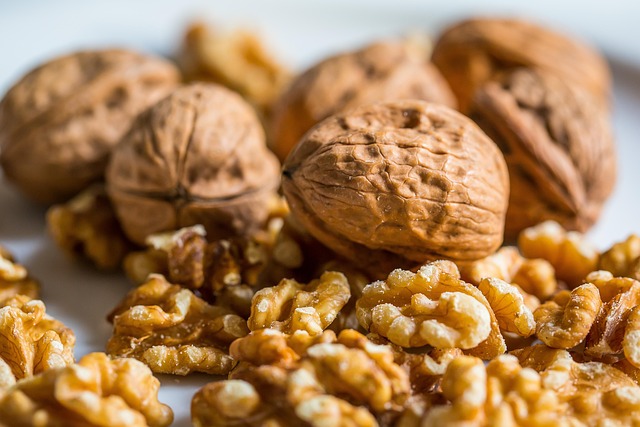 Caution
 Walnuts
Veterinary organisations note that while English walnuts are not classified as highly toxic, they can cause digestive upset, and moldy walnuts may contain tremorgenic mycotoxins that are dangerous for dogs.
Read full guide →