Affiliate disclosure: This guide contains affiliate links. If you purchase via these links, we may earn a small commission at no extra cost to you. This never affects our safety assessments — see our Editorial Standards for how we work.
Recommendations on this page
- For preparedness: ARCA Pet First Aid Kit — a small investment for unexpected pet emergencies. View on Amazon →
- Further reading: The Forever Dog by Habib & Becker — a well-regarded reference on canine nutrition and longevity. View on Amazon →
First, the Naming Trap: Sweet Chestnut vs. Horse Chestnut and Buckeye
Before the reassuring answer, one distinction that genuinely matters — because “chestnut” is used for two completely different plants, and mixing them up is the one way this page could mislead you.
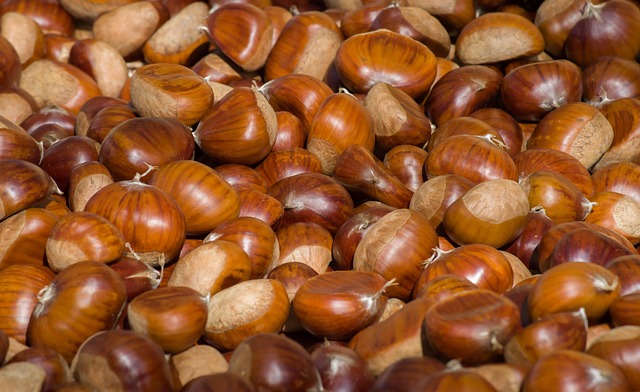
This page is about the edible sweet chestnut (Castanea) — the glossy brown nut you roast, buy in a bag around the holidays, and find in stuffing. That one is safe, and the rest of this page is about it.
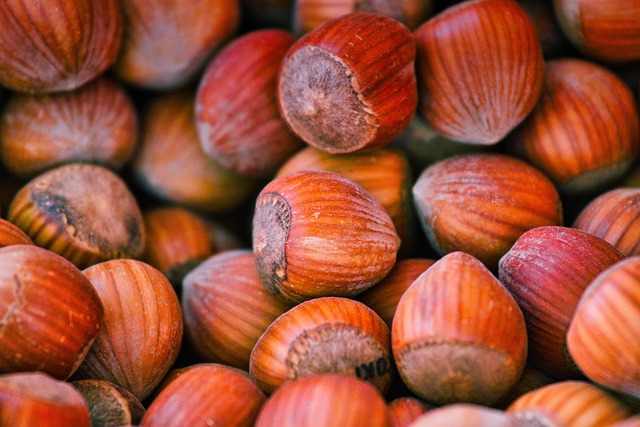
It is not about horse chestnuts or buckeyes (Aesculus) — a different tree whose seeds look similar and share the common name “chestnut” (a horse chestnut is the “conker” children collect in autumn; buckeyes are its close North American relatives). Those are genuinely toxic to dogs. They contain aesculin, and a dog that eats one can suffer vomiting, drooling, weakness, and — in larger amounts — tremors and worse.
So: if your dog picked something up off the ground — a conker under a tree in autumn, a buckeye — rather than eating a roasted chestnut you were sharing, and you’re not certain which plant it was, treat it as the toxic one and call your vet or a pet poison line. Don’t let the reassurance below (which is about the edible sweet chestnut) get applied to a plant it doesn’t cover. With that settled, here’s the good news about actual, edible chestnuts.
Are Sweet Chestnuts Safe for Dogs? Yes
Edible sweet chestnuts are safe for dogs — this is one of the site’s clear-Safe foods, and it’s worth saying so plainly. There’s no toxin in the sweet chestnut, and the two practical considerations that come with it are both fully handled by the way chestnuts are already normally prepared and eaten. Nobody eats a raw chestnut in its shell; you roast it and take it out. That standard preparation is also exactly what makes it fine for a dog.
The two considerations:
- Cook them (which is the norm anyway). Raw chestnuts are astringent and harder to digest, thanks to their tannins, and can cause stomach upset. Roasting or boiling — the standard way chestnuts are eaten — reduces that and makes them easy to digest. This isn’t an exotic requirement; it’s just how chestnuts are prepared. (To be clear, the tannins in the edible chestnut are a digestibility issue, not a serious poison — the “raw chestnuts will damage your dog’s kidneys” claim that circulates online is overstated. Cook them because raw ones can upset a stomach, not because they’re toxic.)
- Shell them and give plain pieces. The hard shell and the papery inner skin come off before eating — for a dog as for a person. That’s the whole of the “preparation,” and it’s ordinary.
Do those two ordinary things and a few plain chestnuts are a genuinely good treat. This is the same shape as our apple page: a wholesome food with a couple of parts you remove as a matter of course, leaving something safe — not a food you have to worry about.
The Shell: a Simple Mechanical Thing to Remove
The one physical caution is the shell, and it’s straightforward. A chestnut’s shell is hard, and a whole in-shell chestnut is dense and round — a genuine choking or obstruction risk if a dog swallows one whole, especially a small dog, and shell fragments can be sharp.
But this is a mechanical point, not a toxic one, and it’s handled the same way you’d handle an apple core or a fruit pit: you take it off and don’t leave whole in-shell chestnuts where a dog can grab them. Give shelled, plain, chopped-if-needed pieces and the shell simply isn’t part of the picture. (A bag of raw chestnuts left within reach is the scenario to avoid — not because the nut is dangerous, but because the hard shells are.)
The Nice Surprise: the Tree Nut That Isn’t Fatty
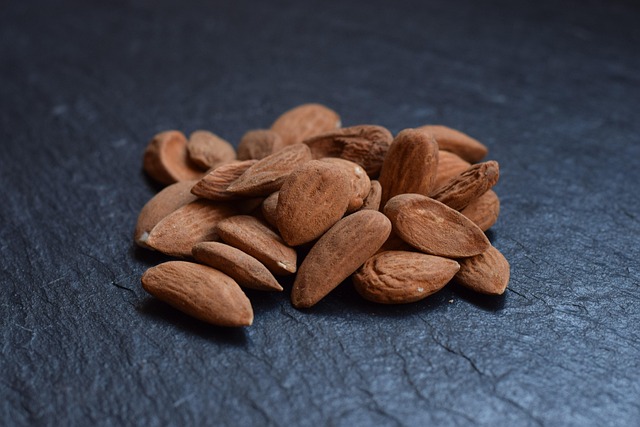
Here’s what makes chestnuts genuinely different from the rest of the nuts on this site, and it’s the reason they land at Safe while other nuts don’t. Chestnuts are remarkably low in fat — around 2 grams of fat per 100 g, compared with roughly 50 g in almonds and 65 g in walnuts. They’re starchy rather than oily, more like a cooked vegetable than a typical nut.
That matters because the caution on most nuts here is fat-driven: almonds and walnuts are a Caution largely for their fat (and, at the serious end, pecans and macadamia nuts are worse — macadamia is outright toxic). Chestnuts sidestep that entirely. The main thing to watch is simply not to overdo it: they’re starchy and filling, so a large amount can cause gas or loose stools and adds unnecessary calories — a moderation point, the same kind that applies to any treat, not a fat-and-pancreatitis worry. A few pieces is the right idea.
A Holiday-Table Note
Chestnuts are a winter food, and they tend to appear surrounded by things that are not as dog-friendly. Roast chestnuts often share a table with stuffing, gravy, and dishes built on onion and garlic — both genuinely toxic to dogs — and with chocolate desserts nearby. If your dog is going to be around holiday cooking, the plain chestnuts are the safe part; the concern is the onion and garlic in the stuffing or the dish they’re mixed into, not the chestnut itself. As ever: that’s the dish, not the ingredient. Give a plain roasted chestnut, and keep the seasoned stuffing to yourself.
Symptoms to Watch For
Edible sweet chestnuts, plain and cooked, rarely cause anything. The things to watch for come from the edges — too many, a swallowed shell, or the wrong plant:
- From a large amount (starch): gas, loose stools, mild stomach upset — a moderation issue, not an emergency
- From a swallowed whole/in-shell chestnut (mechanical): gagging at the time, or — if it lodges — repeated vomiting, no appetite, a tense belly over a day or two; potential obstruction signs that warrant a vet call, sooner for a small dog
- From a horse chestnut or buckeye (the toxic look-alike — not the edible chestnut): vomiting, drooling, weakness, wobbliness or tremors — call your vet or a pet poison line promptly
For preparedness
ARCA Pet First Aid Kit
A few plain roasted chestnuts are a non-event — but the chestnut scenarios that do matter (a swallowed in-shell nut, or a dog that grabbed a conker or buckeye off the ground) are exactly the kind worth being ready for. A first aid kit is a small, sensible bit of preparedness while you get to your vet.
View on Amazon →What To Do
- Sharing a few plain, cooked, shelled chestnuts: go ahead — it’s a fine treat. Keep it to a few pieces (they’re starchy), unsalted, and plain.
- A dog that ate a large amount: watch for gas or loose stools; it’ll usually pass, and it’s a moderation issue rather than a danger.
- A swallowed whole or in-shell chestnut: watch for choking at the time and for obstruction signs over the next day or two, sooner to the vet for a small dog.
- Roasted chestnuts from a street vendor or in stuffing: mind the salt on vendor-roasted ones, and with stuffing it’s the onion and garlic that matter — give plain chestnuts instead.
- Any doubt it was a horse chestnut or buckeye (off the ground, not from your kitchen): treat it as toxic and call your vet or a pet poison line — don’t wait.
Frequently Asked Questions
This FAQ summarises general veterinary and nutrition guidance. It’s informational only and not a substitute for advice from your own vet, who knows your dog.
Are chestnuts safe for dogs?
Edible sweet chestnuts, yes — they’re non-toxic and, unusually for a nut, very low in fat, so they don’t carry the fat concern that makes most nuts a caution. Cook them (roasting or boiling, which is standard anyway), take them out of the shell, and give a few plain, unsalted pieces. Done that way they’re a genuinely good treat. Just keep the amount modest, since they’re starchy.
Aren’t nuts bad for dogs? Why are chestnuts different?
Most nuts are a caution mainly because they’re high in fat — a pancreatitis risk in quantity — and a couple (macadamia, and pecans with their mould-toxin risk) are worse than that. Chestnuts are the exception: they’re starchy, not oily (about 2 g of fat per 100 g, versus ~50 g in almonds), so the fat problem simply doesn’t apply. They’re much more like a cooked vegetable than a typical nut.
My dog ate a “chestnut” from the yard — is that safe?
Be careful here — that may not be an edible chestnut at all. The nut that falls from trees in parks and gardens is very often a horse chestnut (a “conker”) or a buckeye, which look similar but are a different, toxic plant (they contain aesculin and can cause vomiting, drooling, weakness, and tremors). Edible sweet chestnuts usually come from a shop, roasted or in a bag — not picked up off the ground. If your dog ate something it found outside and you can’t be sure it was an edible sweet chestnut, treat it as the toxic kind and call your vet or a pet poison line.
Can dogs eat raw chestnuts?
Better to cook them. Raw sweet chestnuts are astringent and harder to digest (their tannins can upset a stomach), which is exactly why chestnuts are normally roasted or boiled — and cooked is how they’re safe and easy for a dog. They’re not a serious poison raw, but a raw one is more likely to cause stomach upset, so stick to cooked, plain, shelled pieces.
About This Guide
This guide was researched and written by Claire Donnelly for Is It Safe For My Dog?. We are not veterinarians. Each guide is compiled from published, publicly accessible veterinary and toxicology sources — for this page, the American Kennel Club, PetMD, the Pet Poison Helpline, and the ASPCA — and cross-checked before publication. We are careful on this page to distinguish the edible sweet chestnut (Castanea), which this guide is about, from the toxic horse chestnut and buckeye (Aesculus), which share the common name but are a different plant; the toxicity of the latter is anchored to the Pet Poison Helpline. This is general information; it does not replace a consultation with your vet.
Sources for the figures on this page
- American Kennel Club — Can Dogs Eat Nuts? (which nuts are safe, cautioned, and toxic for dogs; fat as the main nut concern, and macadamia as a genuine toxin — the framework used to place the low-fat chestnut as an exception)
- PetMD — Can Dogs Eat Nuts? (corroborating nut guidance — fat, salt, and choking as the recurring concerns; plain and in moderation as the rule)
- Pet Poison Helpline — Horse Chestnut (horse chestnuts and related Aesculus species toxic to dogs via aesculin; the basis for the sweet-chestnut-versus-horse-chestnut distinction that leads this page)
- ASPCA Animal Poison Control — People Foods to Avoid Feeding Your Pets (onion and garlic listed as hazards — relevant to holiday stuffing; salt cautioned — relevant to vendor-roasted chestnuts)
- Composition figures — sweet chestnuts ~2 g fat per 100 g (versus ~50 g in almonds, ~65 g in walnuts) and ~45 g carbohydrate per 100 g; raw chestnuts contain tannins reduced by cooking; from published food-composition data, used to contrast chestnuts with the fattier tree nuts
This page is informational only and does not constitute veterinary or medical advice.