Affiliate disclosure: This guide contains affiliate links. If you purchase via these links, we may earn a small commission at no extra cost to you. This never affects our safety assessments — see our Editorial Standards for how we work.
Recommendations on this page
- Recommended substitute: Stewart Pro-Treat Freeze-Dried Beef Liver — single-ingredient meaty treat without the fat, salt, and seasoning load. View on Amazon →
- For preparedness: ARCA Pet First Aid Kit — a small investment for unexpected pet emergencies. View on Amazon →
- Further reading: The Forever Dog by Habib & Becker — a well-regarded reference on canine nutrition and longevity. View on Amazon →
Are Deli Meats Safe for Dogs?
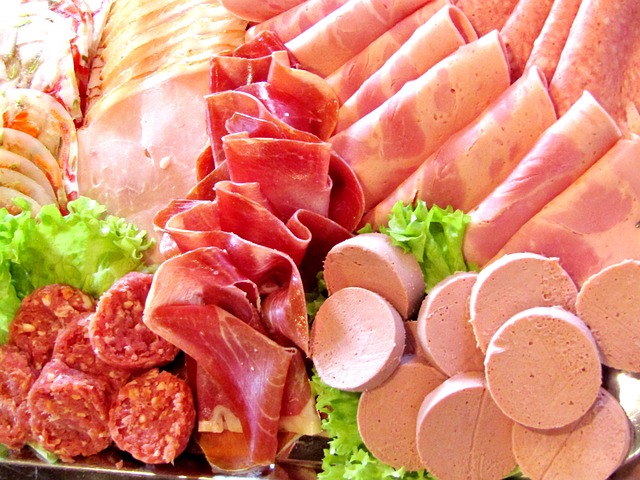
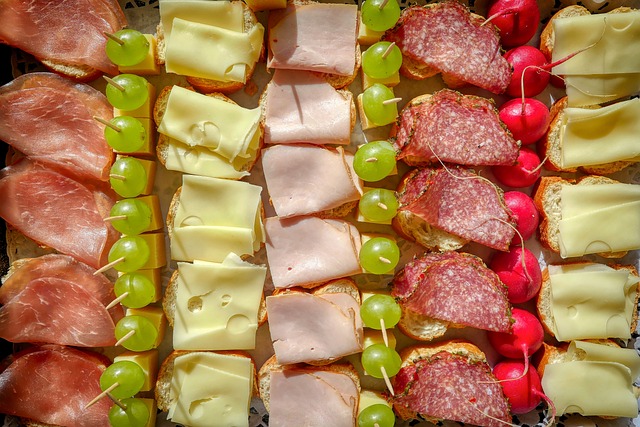
Deli meats aren’t toxic to dogs, but they’re a processed, salty treat to keep small and occasional — a close cousin of bacon, and much of the picture is the same. The concerns, in order:
- Sodium — the leading issue here (deli meats are salty, and eaten in slices rather than a single strip).
- Fat — real, but it depends heavily on the type.
- Nitrites — the cured-meat scare that’s overstated (same finding as bacon).
- Allium — salami and other seasoned varieties often have garlic and onion powder mixed in.
- Listeria — the one genuinely deli-specific hazard, because deli meat is served uncooked.
Because deli meats share bacon’s fat, salt, and nitrite story, we cross-link the bacon page for those mechanisms rather than repeat them, and focus here on what’s specific to lunch meats.
Sodium — the Leading Concern
Where bacon’s headline issue is fat, deli meats lead with salt — they’re high in sodium and easy to eat several slices of:
| Type | Sodium (approx.) |
|---|---|
| Hard salami | ~600–960 mg per 2 oz |
| Bologna | ~640 mg per slice |
| Deli ham | ~500–700 mg per 2 oz |
| Deli turkey | ~570 mg per 2 oz |
| Lean roast beef (in-house) | ~180–280 mg per 2 oz |
To put that in context: the Merck Veterinary Manual places clinical salt toxicosis at roughly 2–3 g of salt per kg of body weight (about 800–1,200 mg of sodium per kg). For a 10 kg (22 lb) dog, that’s several thousand milligrams — so a couple of slices (500–1,500 mg) is a small fraction of the acute-poisoning threshold, and a healthy dog isn’t going to be salt-poisoned by a nibble. But the sodium is genuinely relevant in three cases: small dogs (the same amount is a bigger dose per kilo), dogs on a vet-prescribed low-sodium diet (heart or kidney disease), and habitual feeding, where it adds up. See the salt page for full sodium context, and bacon for the same calibration in a cured meat.
Fat — Depends on the Type
Fat varies a lot across deli meats, so “how fatty” is really a “which one” question:
- Higher-fat: salami, pepperoni, bologna — rich, and a real pancreatitis consideration in a large serving, especially for small dogs and at-risk breeds.
- Lower-fat: turkey, chicken, and lean roast beef or ham.
The bacon page has the full detail on how a high-fat meal drives pancreatitis and which dogs are most vulnerable — the same logic applies to the fatty deli meats.
Nitrates and Nitrites — Not the Danger the Internet Says
Deli meats are cured with sodium nitrite, the same way bacon is — and the popular “nitrates are especially dangerous for dogs” narrative is overstated. It comes from livestock/ruminant toxicology and from human cancer research (the WHO’s processed-meat classification), neither of which transfers to realistic canine exposure. It’s not the thing to worry about here — the salt, fat, and any garlic/onion matter far more. The bacon page carries the full nitrate calibration.
Allium in Seasoned Varieties — a Real, Direct Concern
This is one of two things that make deli meats their own question rather than just “cold bacon.” Salami, pepperoni, and many seasoned or Italian-style deli meats contain garlic and/or onion powder — mixed directly into the cure and seasoning (a typical garlic salami lists garlic at around 0.4%, plus a spice blend).
That matters because garlic, onions, and their concentrated powders are genuinely toxic to dogs — they damage red blood cells (a delayed haemolytic anaemia that can take 3–5 days to show). Unlike a dish where the allium sits in a surrounding sauce, here it’s in the meat itself. It’s dose-dependent: a slice or two of garlic salami is a small allium dose, but a large amount — or any real quantity in a small dog — is where it becomes a concern.
Plain turkey, ham, and roast beef carry little to no allium; salami, pepperoni, and seasoned varieties are the ones to check. Read the ingredient list for garlic and onion.
Listeria — Why Deli Meat Is Different From Bacon
Here’s the deli-specific hazard, and the reasoning behind it is what makes it worth its own section: deli meat is served ready-to-eat and uncooked, whereas bacon is cooked before it’s eaten. Cooking kills Listeria; serving cold, ready-to-eat deli meat does not. So deli meat can carry live Listeria bacteria that heat would otherwise have destroyed — a route that simply doesn’t exist for cooked bacon.
Dogs can get listeriosis. Most cases are mild (vomiting, diarrhoea), but it can occasionally be serious — fever, lethargy, neurological signs, pregnancy loss in pregnant dogs, and rarely death — and it has a long incubation period, up to about three weeks, so illness can appear well after the meal. Puppies, senior dogs, and dogs with weakened immune systems are the most vulnerable.
This isn’t hypothetical: deli meats have a documented outbreak history (the 2024 Boar’s Head recall), and the AKC specifically advised pet owners to avoid giving deli meat to dogs during recalls and outbreaks. Practical takeaways: keep an eye on recall news, don’t share deli meat during an outbreak, don’t give meat that’s been sitting out or is past its date, and be especially careful with vulnerable dogs.
Which Deli Meats Are Gentler — and Which Are Worse
If you’re going to share deli meat despite all of the above, the type matters:
- Gentler: plain, low-sodium turkey or lean roast beef — leaner, less salt, and usually free of garlic/onion seasoning.
- Worse: salami and pepperoni (high fat and salt and allium — the trifecta), bologna (high fat and salt), and ham (very high salt).
Even the gentler ones are still processed and salty, so a small piece occasionally, never a staple. See also the sibling pages ham, turkey, hot dogs, and sausages.
Symptoms to Watch For
From salt (a lot of salty deli meat): excessive thirst and urination, vomiting, diarrhoea; in larger amounts, lethargy or weakness.
From fat (the rich types): GI upset, and — after a large fatty serving — pancreatitis signs (repeated vomiting, hunched posture, lethargy) over 24–72 hours.
From allium (garlic/onion salami in quantity): often delayed 3–5 days — lethargy, pale gums, reddish/brown urine, reduced appetite.
From listeria (uncommon, delayed up to ~3 weeks): vomiting, diarrhoea, fever, lethargy; rarely more serious signs.
For preparedness
ARCA Pet First Aid Kit
Most deli-meat nibbles pass without incident — but the scenarios that do matter (a small dog into a pile of salami, or a fatty amount) are worth being ready for. A first aid kit bridges the gap between spotting a problem and reaching your vet.
View on Amazon →A Better Everyday Treat
If the appeal is a savoury, meaty reward, there’s a cleaner way to get it — one without the salt, cured-meat additives, or seasoning-blend allium:
Recommended substitute
Stewart Pro-Treat Freeze-Dried Beef Liver
A single-ingredient option — just beef liver, no salt, preservatives, or garlic/onion seasoning — that delivers the high-value, meaty reward dogs respond to, without the sodium, fat, and allium concerns of deli meat.
View on Amazon →What To Do
- A small piece of plain deli meat, healthy dog: low concern. Just keep the salt occasional, not a habit.
- A large amount of salty or fatty deli meat: watch for excessive thirst, GI upset, and — with the fatty types — pancreatitis signs over 1–3 days. Extra caution for small or at-risk dogs; call your vet if your dog seems unwell.
- Salami, pepperoni, or garlic-seasoned deli meat in quantity: treat it as an allium exposure — note how much, watch over 3–5 days, and call your vet, especially for a small dog.
- During a listeria recall or outbreak: don’t give deli meat. If your dog ate recalled product, note it and watch for illness over the following weeks (long incubation), and call your vet — particularly for a puppy, senior, or immunocompromised dog.
- Dog on a low-sodium (heart or kidney) diet: skip deli meat entirely.
Frequently Asked Questions
This FAQ summarises general veterinary and nutrition guidance. It’s informational only and not a substitute for advice from your own vet, who knows your dog.
Can dogs eat salami or pepperoni?
These are the deli meats to be most careful with. Salami and pepperoni are high in fat and salt and usually contain garlic and onion powder (genuine toxins to dogs) mixed into the seasoning — so they combine three of this page’s concerns at once. A single small slice won’t poison a healthy dog, but they’re the worst common choice, and a meaningful amount — especially for a small dog — is worth a vet call for the allium. If you want to share deli meat, plain low-salt turkey is a far better pick.
Is deli meat safe for dogs during a listeria recall?
No — skip it. Deli meat is served uncooked, so unlike cooked bacon it can carry live Listeria, and dogs can get sick from it. During any recall or outbreak (such as the 2024 Boar’s Head one), vets specifically advise not giving deli meat to dogs — especially puppies, senior dogs, or dogs with weak immune systems. If your dog already ate recalled product, watch for illness over the next few weeks (listeria has a long incubation) and call your vet.
Is turkey deli meat healthier for dogs than ham or salami?
Somewhat — plain deli turkey and lean roast beef are lower in fat and usually free of the garlic/onion seasoning found in salami, though they’re still high in salt. If you’re going to share, plain low-sodium turkey is the least-bad option. Better still is plain, home-cooked turkey with no seasoning.
Are the nitrates in deli meat dangerous for dogs?
Not in the way the internet suggests. Nitrites cure deli meats the same way they cure bacon, and the “nitrates are especially dangerous for dogs” claim is overstated — it draws on livestock toxicology and human cancer research that don’t transfer to realistic canine exposure. The salt, fat, and any garlic or onion are the real concerns. See the bacon page for the full nitrate calibration.
About This Guide
This guide was researched and written by Claire Donnelly for Is It Safe For My Dog?. We are not veterinarians. Each guide is compiled from published, publicly accessible veterinary and toxicology sources — for this page, the American Kennel Club, the Merck Veterinary Manual, and the ASPCA — and cross-checked before publication. For the shared fat, salt, and nitrate calibration in cured meat, see the bacon page. This is general information; it does not replace a consultation with your vet.
Sources for the figures on this page
- Merck Veterinary Manual — Salt Toxicosis in Animals (clinical salt toxicosis at approximately 2–3 g NaCl/kg body weight; used here to calibrate deli-meat sodium against the acute-poisoning threshold and show that typical servings are a small fraction of it, while remaining relevant for small dogs, low-sodium diets, and habitual feeding)
- Merck Veterinary Manual — Garlic and Onion (Allium spp.) Toxicosis in Animals (garlic and onion, including dried/powdered forms, cause Heinz-body haemolytic anaemia with delayed onset; applied here to the garlic and onion powder in salami and seasoned deli meats)
- American Kennel Club — Listeria Outbreak and Dogs (dogs can contract listeriosis; deli meats implicated in outbreaks such as the 2024 recall; guidance to avoid giving deli meat to dogs during outbreaks, with puppies, senior, and immunocompromised dogs most vulnerable; long incubation before signs)
- ASPCA Animal Poison Control — People Foods to Avoid Feeding Your Pets (onion and garlic listed as hazards; fatty foods associated with GI upset and pancreatitis; excess salt cautioned)
- Sodium and fat figures — per-serving sodium (hard salami ~600–960 mg/2 oz, bologna ~640 mg/slice, deli ham ~500–700 mg/2 oz, deli turkey ~570 mg/2 oz, lean roast beef ~180–280 mg/2 oz) and the fatty-vs-lean type spread, from published food-composition data, not veterinary sources
This page is informational only and does not constitute veterinary or medical advice.